
The Professional Bowls Association (PBA) was established in 1958 by 33 founding members to professionalize the sport, evolving from a small group into a global organization with over 3,000 members across multiple countries. This transformation represents one of the most significant developments in bowling history, turning a recreational pastime into a structured competitive sport with international reach and professional opportunities for athletes worldwide.
Key Takeaway
-
PBA founded in 1958 by Eddie Elias and 33 members in Akron, Ohio
-
Secured television coverage by 1961, propelling popularity
-
Established strong Regional program by 1969 with over 6,318 regional titles
-
Introduced World Series of Bowling in 2009, attracting global talent
-
Acquired by Bowlero Corporation in 2019, marking modern era
Founding and Early Growth of the PBA (1958-1961)
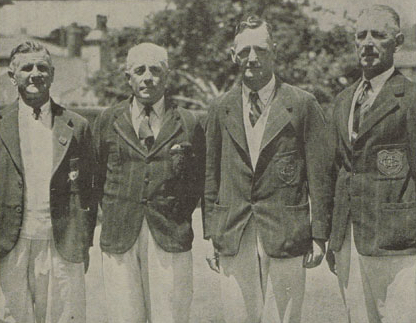
1958: Eddie Elias and 33 founding members establish PBA in Akron, Ohio
In 1958, Eddie Elias and 33 founding members established the Professional Bowls Association in Akron, Ohio with a clear vision to professionalize ten-pin bowling. The founders recognized that bowling needed structure, standardized competition rules, and organized tournaments to transform from a recreational activity into a legitimate professional sport. These early pioneers faced significant challenges, including limited funding, skepticism from the bowling community, and the need to create consistent rules across different bowling centers. Their goal was to provide bowlers with opportunities for recognition, competitive advancement, and financial rewards through organized professional competition, along with bowls association membership benefits that would attract new talent. Today, aspiring bowlers can find opportunities through Local Bowls Events and Tournaments Near You.
Eddie Elias, a sports agent and attorney, saw the potential for bowling to become a major professional sport similar to golf or tennis. He envisioned a tour where top bowlers could compete for substantial prize money and gain national recognition. The founding members included some of the best bowlers of the era, who believed that professionalizing the sport would elevate its status and create sustainable careers for talented athletes. They worked tirelessly to establish tournament formats, create ranking systems, and develop sponsorship opportunities that would fund the growing tour.
The initial years were marked by grassroots efforts to build credibility. The founders organized local tournaments, negotiated with bowling center owners for better facilities, and worked to standardize lane conditions and equipment specifications. They understood that consistency was crucial for professional competition, so they developed strict guidelines for lane maintenance, ball specifications, and scoring procedures. This attention to detail helped establish the PBA’s reputation for fairness and professionalism, which became the foundation for future growth.
1961: Securing television coverage and early popularity
-
Television breakthrough: By 1961, the PBA secured its first television coverage, marking a pivotal moment in the sport’s history. ABC’s “Pro Bowlers Tour” became a Saturday afternoon staple, bringing bowling into millions of American homes and creating household names like Don Carter and Dick Weber.
-
Increased visibility: TV broadcasts brought bowling into millions of American homes, dramatically expanding the sport’s audience. The visual nature of bowling made it perfect for television, with cameras capturing the drama of strikes, spares, and split conversions. This exposure helped bowling surpass baseball as America’s most popular participation sport by the late 1960s.
-
Tournament attendance: Live tournament attendance grew as fans wanted to see their favorite bowlers in person. Major tournaments began drawing crowds of 5,000 to 10,000 spectators, creating a festival atmosphere at bowling centers across the country. The combination of live competition and television exposure created a virtuous cycle of growth.
-
Public interest: The televised format created new stars and made bowling more accessible to mainstream audiences. Viewers could relate to the bowlers, many of whom had ordinary jobs and bowling as a weekend passion. This relatability, combined with the excitement of professional competition, helped bowling become a cultural phenomenon in 1960s America.
Professionalization and Regional Expansion (1969-2008)

1969: Establishing the Regional program and tournament structure
The PBA’s establishment of a strong Regional program in 1969 created a foundation for sustainable growth and talent development. This initiative introduced consistent tournament rules across all events, ensuring fair competition regardless of location. The Regional program provided opportunities for local bowlers to compete at professional levels without traveling long distances, building a pipeline of talent for national tournaments. By 2017, this system had produced over 6,318 regional titles, demonstrating its effectiveness in developing competitive bowlers and expanding the sport’s reach across different communities.
The Regional program was revolutionary because it democratized access to professional bowling. Previously, only bowlers who could afford to travel nationwide had realistic chances at professional success. The new structure created local circuits where bowlers could earn points, qualify for national events, and build their skills without massive financial investment. This approach mirrored successful models in golf and tennis, where regional tours feed into national championships.
Tournament structure became more sophisticated during this period, with the introduction of multiple tournament formats including singles, doubles, and team events. The PBA also established a points system that determined season standings and qualified bowlers for year-end championships. These organizational improvements made the sport more competitive and gave fans clear metrics for following their favorite players’ progress throughout the season. The establishment of consistent prize money structures also helped professional bowlers plan their careers more effectively.
2008: International expansion and Olympic partnership
-
Global membership: The PBA opened its doors to international members, expanding beyond U.S. borders. This decision recognized the growing talent pool in countries like Japan, South Korea, and Finland, where bowling had strong grassroots support. International membership brought new competitive dynamics and helped the PBA establish a truly global presence.
-
World Bowling partnership: Partnered with World Tenpin Bowling Association (now World Bowling) to support Olympic ambitions. This collaboration aimed to standardize rules internationally and create pathways for bowlers from different countries to compete at the highest levels. The partnership also worked on meeting International Olympic Committee standards for potential Olympic inclusion.
-
Olympic support: Collaboration aimed to meet International Olympic Committee standards for potential Olympic inclusion. The PBA and World Bowling worked together on anti-doping programs, athlete development initiatives, and international competition structures that would satisfy Olympic requirements. While bowling has not yet achieved Olympic status, these efforts elevated the sport’s international profile.
-
International growth: Created pathways for bowlers from different countries to compete professionally. The PBA established international tournaments and created ranking systems that included performances from events worldwide. This global approach helped discover new talent and created a more diverse and competitive professional bowling landscape.
Modern Era and Global Development (2009-Present)
2009: World Series of Bowling and global talent surge
The introduction of the World Series of Bowling in 2009 marked a transformative moment for the PBA and professional bowling globally. This innovative tournament format attracted international talent by offering diverse competition styles and substantial prize money. The series brought together bowlers from different countries, creating a more competitive and diverse professional landscape. This global talent surge elevated the overall skill level of professional bowling and increased international interest in the sport, establishing the PBA as a truly global organization rather than just an American entity. The series has become a showcase for top talent ahead of major events like the 2026 Lawn Bowls Championships Preview.
The World Series of Bowling featured multiple tournament formats over several days, testing bowlers’ versatility across different oil patterns and lane conditions. This format appealed to international bowlers who often specialized in particular styles that weren’t always featured in traditional American tournaments. The series offered record-breaking prize funds, attracting top talent from around the world and creating dramatic television content that showcased bowling’s global appeal.
International stars like Jason Belmonte from Australia and Dom Barrett from England emerged during this period, bringing new techniques and competitive approaches to the PBA Tour. Their success inspired bowlers from other countries to pursue professional careers and helped establish bowling as a truly international sport. The World Series also created opportunities for cross-cultural exchange among bowlers, fostering friendships and professional relationships that transcended national boundaries.
2019: Acquisition by Bowlero Corporation and media evolution
-
Corporate acquisition: In 2019, the PBA was acquired by Bowlero Corporation, providing new resources and stability. This acquisition brought professional bowling under the umbrella of the largest bowling center operator in the United States, creating synergies between tournament operations and bowling center management. The financial backing allowed for expanded tournament schedules and increased prize money.
-
Digital transformation: Evolved from 1960s television to modern PBA Network with digital streaming capabilities. The PBA Network offers live coverage of tournaments, behind-the-scenes content, and on-demand replays, making bowling accessible to fans anytime, anywhere. This digital shift has been crucial for reaching younger audiences who consume sports content primarily through digital platforms.
-
Fan engagement: Introduced on-site Fan Clubs and interactive experiences at tournaments. Modern PBA events feature autograph sessions, meet-and-greets with professional bowlers, and interactive exhibits that educate fans about bowling technology and technique. These fan experiences create deeper connections between athletes and supporters, building long-term loyalty to the sport.
-
Media expansion: Developed comprehensive digital content strategy including social media and streaming platforms. The PBA produces instructional videos, player interviews, tournament highlights, and historical documentaries that appeal to both casual fans and dedicated enthusiasts. This content strategy has helped bowling maintain relevance in an increasingly competitive sports entertainment market.
The PBA’s evolution from 33 founding members to a global organization with over 3,000 members demonstrates how professional bowling transformed from a recreational activity into a structured competitive sport with international reach. This development has created opportunities for bowlers worldwide while maintaining the sport’s accessibility and entertainment value for fans. The journey from Eddie Elias’s vision in 1958 to today’s global professional bowling circuit represents one of the most successful transformations in sports history, proving that with vision, organization, and adaptability, even niche sports can achieve worldwide prominence. Fans can stay updated on upcoming competitions through the 2026 Bowls Tournaments Schedule and Results.