
Lawn bowls training programs provide structured progression from beginner fundamentals to professional-level skills through coaching clinics, on-green drills, and mental preparation. These programs focus on developing consistent delivery mechanics, weight control, and strategic practice to advance players at every skill level.
Key Takeaway
-
Structured training programs transition players from beginner fundamentals to professional-level skills through progressive drills and coaching
-
Beginner training focuses on stance, grip, delivery mechanics, and basic line/weight control at 21m minimum length
-
Intermediate training emphasizes purposeful practice, weight control, and specific drills like the 1-meter corridor drill
-
Advanced training develops mental resilience, tactical analysis, and specialized shots under pressure
-
Professional resources include PBA-certified coaches, club training sessions, and video analysis for technique refinement
Beginner Training: Fundamentals and Delivery Mechanics
Stance and Balance: Developing the Tripod Foundation
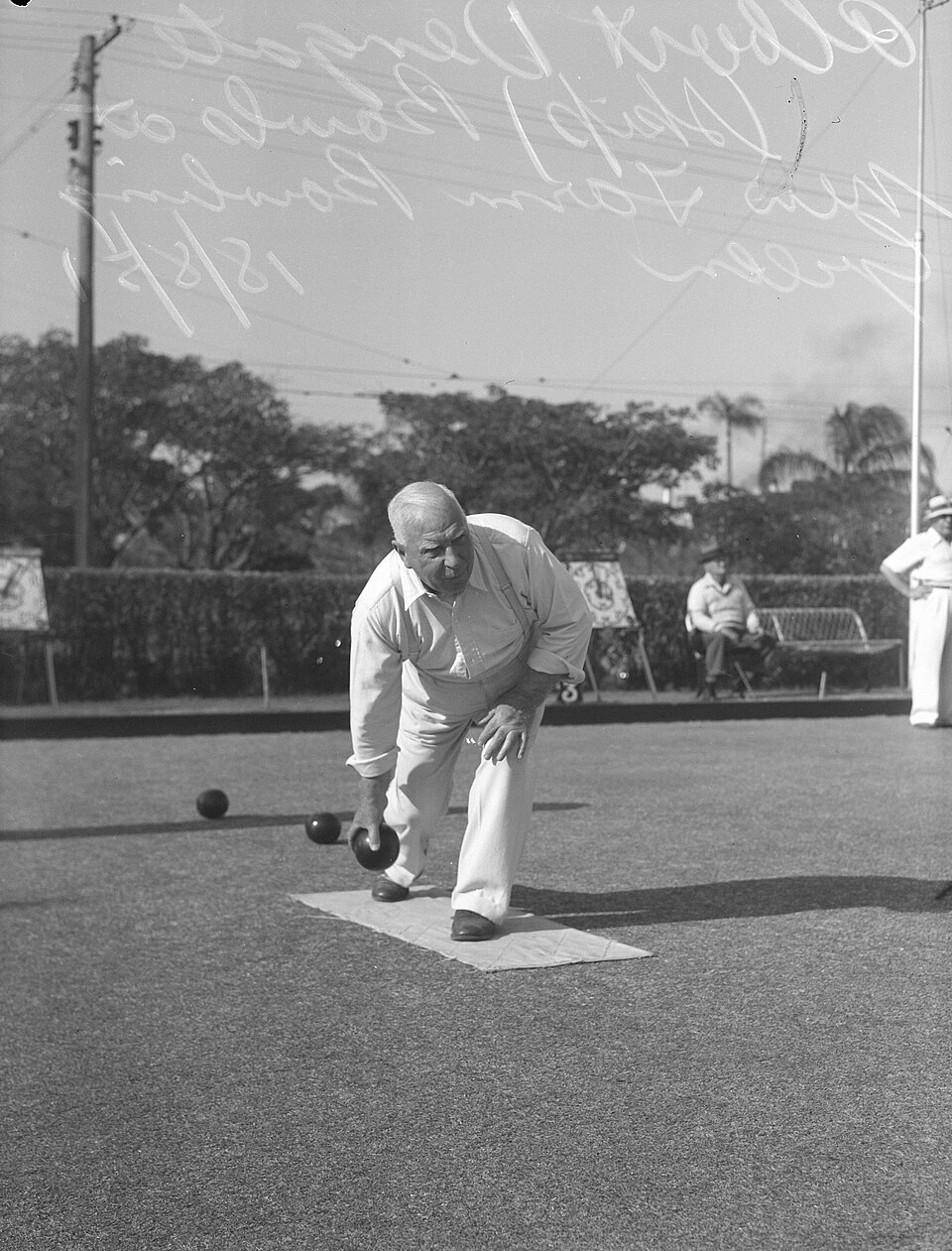
Developing a solid “tripod” stance forms the foundation of consistent lawn bowls delivery. Players position their feet shoulder-width apart with knees slightly bent, creating a stable base that prevents wobbling during the delivery motion. This balanced posture allows the upper body to rotate smoothly while maintaining control over the bowl’s trajectory. The tripod stance distributes weight evenly across both feet and the dominant foot’s heel, creating three contact points that anchor the player during delivery. Beginners who master this fundamental positioning experience fewer delivery errors and develop better consistency in their shots. The stability gained from proper stance directly impacts accuracy, as it eliminates unnecessary body movement that could alter the bowl’s path.
Grip and Orientation: Building Muscle Memory
Proper grip technique and bias side orientation are essential for building consistent muscle memory in lawn bowls. Players must familiarize themselves with the bowl’s bias side, which determines the curved path the bowl will take during delivery. The grip should be firm yet relaxed, with fingers positioned to maintain control without tension. Consistent grip placement ensures the bowl releases smoothly and travels along the intended line. Beginners benefit from practicing the same grip pattern repeatedly, as this repetition builds automatic muscle memory that becomes second nature during competitive play. Understanding bias orientation allows players to visualize the bowl’s curved path before delivery, improving shot selection and accuracy. The combination of proper grip and bias awareness creates a reliable foundation for all future skill development.
Smooth Delivery: Pendulum Swing and Low Release
The pendulum-like arm swing represents the most efficient delivery method for lawn bowls, minimizing unnecessary movement while maximizing control. Players initiate the delivery with a smooth, controlled backswing that follows a consistent plane, then transition into a forward motion that releases the bowl close to the ground. This low release technique prevents bouncing, which can dramatically alter the bowl’s intended path and final position. The pendulum motion relies on gravity and momentum rather than muscular force, creating a repeatable action that beginners can master through practice. Players who focus on smooth delivery mechanics experience fewer technical errors and develop better consistency in their shot outcomes. The combination of controlled swing and low release creates a fluid motion that becomes the cornerstone of reliable performance.
Line and Weight Control: 21m Minimum Length Practice
Mastering line and weight control begins with practicing at varied distances, with particular emphasis on the 21-meter minimum length that represents standard playing conditions. Beginners develop “feel” for different speeds by repeatedly delivering bowls at this distance, learning to adjust their delivery strength for consistent results. Line control involves visualizing the intended path and aligning the body to deliver along that trajectory. Weight control requires understanding how different delivery strengths affect the bowl’s final position and speed. Players who practice these fundamentals at varied distances build the muscle memory and spatial awareness necessary for competitive play. The 21-meter focus provides a consistent benchmark for measuring improvement and developing reliable delivery techniques that translate to all playing situations.
Intermediate Training: Skill Refinement and Purposeful Practice
Purposeful Practice: Beyond Casual Roll-Ups
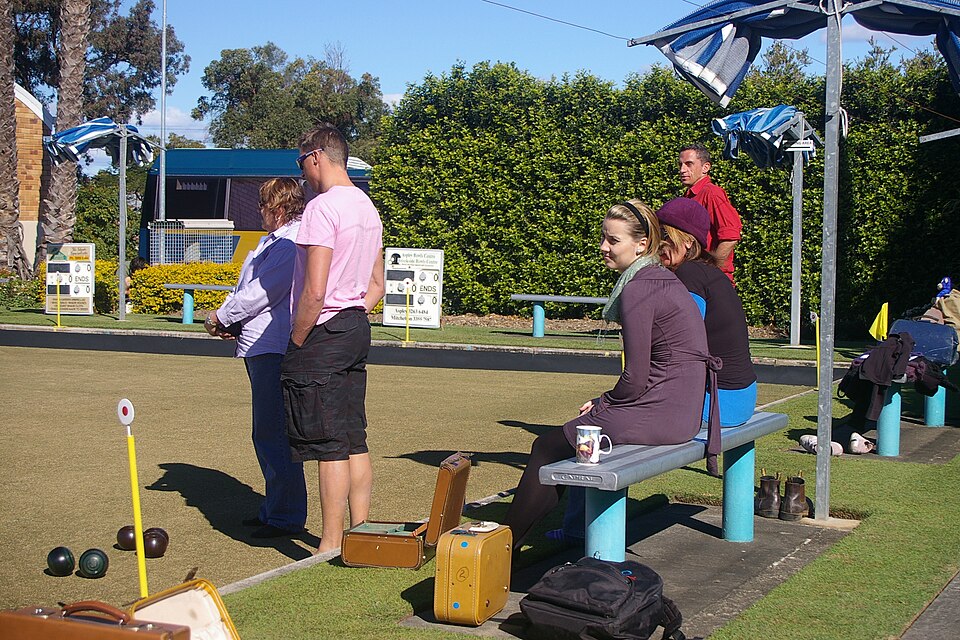
Intermediate players transition from casual “roll-ups” to structured, purposeful practice routines that target specific skill development. This shift involves moving beyond simply delivering bowls toward measured, intentional drills that simulate competitive scenarios. Purposeful practice includes setting specific goals for each session, such as placing bowls within a designated target area or achieving consistent weight control at varying distances. Players who engage in structured practice develop faster improvement rates than those who rely on casual play alone. The key difference lies in the intentionality behind each delivery, with intermediate players analyzing their performance and making adjustments based on measurable outcomes. This focused approach builds the consistency and control necessary for advancing to competitive levels.
Weight Control: Developing Feel for Different Speeds
Advanced weight control involves developing nuanced “feel” for different delivery speeds, including drawing, pushing, and trailing shots. Drawing shots require delicate touch to position bowls close to the jack, while pushing shots need controlled strength to move opponent bowls or the jack itself. Trailing shots involve strategic placement that follows specific paths around obstacles on the green. Players develop this feel through repeated practice at varying distances and speeds, learning to adjust their delivery based on green conditions and tactical requirements. The progression from basic weight control to advanced feel represents a significant skill advancement that separates intermediate from advanced players. This development requires thousands of repetitions and careful attention to the subtle differences in delivery strength and timing.
Line Drills: Using Markers for Aiming Accuracy
Intermediate players enhance their aiming accuracy through line drills that incorporate visual markers like CDs, cones, or other objects placed on the green. These markers train the eye to recognize and maintain consistent aiming lines, helping players visualize the bowl’s intended curved path before delivery. The progression of line drill complexity involves starting with simple straight-line targets and advancing to curved path visualization that accounts for bias. Players who regularly practice with markers develop better spatial awareness and shot selection capabilities. The use of visual aids accelerates the learning process by providing immediate feedback on aiming accuracy and helping players internalize the relationship between body alignment and delivery path.
Common Intermediate Drills: Corridor, Jack Length, and Four-Quadrant Targeting
-
Corridor Drill: Builds line consistency by requiring players to deliver bowls within a 1-meter “corridor” marked on the green. This drill develops precision and helps players understand how small adjustments in delivery affect the bowl’s path.
-
Jack Length Challenge: Improves weight control by requiring players to deliver bowls to specific distances from the jack. This drill enhances players’ ability to judge distance and adjust delivery strength accordingly.
-
Four-Quadrant Targeting: Develops versatility by requiring players to deliver bowls to targets placed in different quadrants of the green. This drill improves players’ ability to adapt to various playing situations and shot requirements.
Advanced and Pro Training: Tactics and Mental Preparation
Reading the Head: Analyzing Game Situations
Advanced players develop the ability to “read the head” by analyzing opportunities and risks in complex game situations. This tactical awareness involves evaluating the positions of all bowls on the green, understanding how different shot selections might alter the game state, and anticipating opponent responses. Players who master this skill can identify strategic opportunities that less experienced players might miss, such as drawing around blockers to reach the jack or using weighted shots to clear paths. The decision-making process becomes more sophisticated as players learn to balance risk and reward in their shot selection. This tactical analysis represents a significant advancement beyond basic shot execution and forms the foundation for competitive success.
Pressure Drills: Simulating Match Situations
Advanced training incorporates pressure drills that simulate the stress and time constraints of competitive match situations. These drills might require players to make specific shots under time pressure or with consequences for missed deliveries. The goal is to develop mental toughness and the ability to perform consistently under stress. Players practice maintaining focus and technique when facing high-pressure situations that mirror tournament conditions. This simulation training helps players develop the psychological resilience necessary for competitive success. The ability to execute shots reliably under pressure often separates successful competitive players from those who struggle in tournament settings.
Tactical Logging: Recording Games for Improvement
Professional players maintain detailed tactical logs that record game situations, shot selections, and outcomes for later analysis. This systematic approach to improvement involves reviewing game footage or written records to identify patterns, weaknesses, and areas for development. Players who engage in tactical logging can track their progress over time and make data-driven decisions about training focus. The analysis might reveal tendencies to avoid certain shot types or difficulties with specific game situations. This objective approach to self-assessment accelerates improvement by providing concrete evidence of strengths and weaknesses that can be addressed through targeted practice.
Mental Preparation: Visualization and Positive Self-Talk
Mental preparation techniques including visualization, positive self-talk, and pre-match routines complement physical training for advanced players. Visualization involves mentally rehearsing successful deliveries and game scenarios before they occur, helping players build confidence and prepare for various situations. Positive self-talk replaces negative thoughts with constructive affirmations that maintain focus and confidence during play. Pre-match routines establish consistent preparation patterns that help players enter competitive states mentally prepared. These mental training techniques address the psychological aspects of performance that often determine success in close matches. The integration of mental preparation with physical training creates a comprehensive approach to competitive readiness.
Specialization: Mastering Specific Shots
Advanced players develop specialization in specific shot types that become their competitive advantages. These specialized shots might include drawing around blockers to reach difficult positions, driving with controlled weight to clear paths or move the jack, or controlling ditch weight for strategic end management. Each specialized shot requires thousands of repetitions to master and becomes a reliable tool in competitive situations. Players who develop a diverse repertoire of specialized shots can adapt to various game situations and opponent strategies. This specialization represents the highest level of technical development and often defines a player’s competitive style and strengths.
Professional Training Resources and Coaching
PBA-Certified Coaches and Clinics
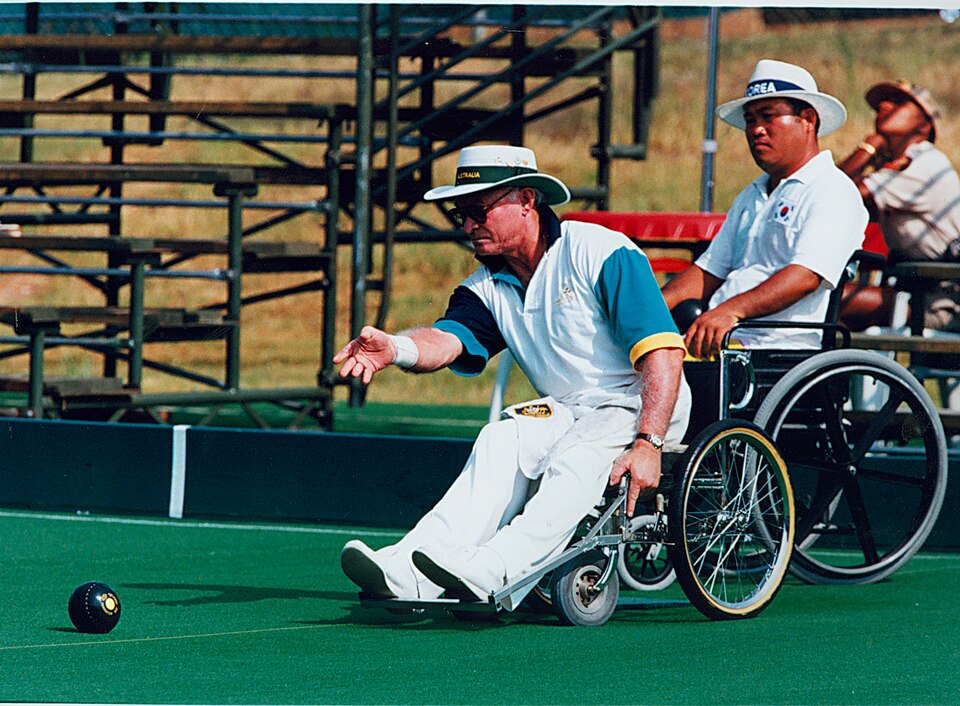
PBA-certified coaches provide professional instruction through clinics held across the country, offering expertise that accelerates skill development for players of all ages. These certified professionals bring tournament experience and advanced teaching methodologies that help players identify and correct technical flaws. The structured approach of professional coaching provides systematic progression through skill levels that might take years to develop through self-directed practice. Players who work with certified coaches benefit from objective analysis of their technique and personalized training programs that address specific weaknesses. The availability of professional coaching resources has significantly improved the overall skill standards in competitive lawn bowls.
Club Training Sessions and Adult Learn to Bowl
Local clubs like the Portland Lawn Bowling Club offer specialized training sessions and “Adult Learn to Bowl” programs that provide structured entry points for new players. These club-based programs typically include group instruction, supervised practice sessions, and progression through skill levels in a supportive environment. The social aspect of club training creates motivation and accountability that helps players maintain consistent practice schedules. Many clubs also offer competitive opportunities that allow players to test their developing skills in low-pressure environments. The accessibility of club-based training makes lawn bowls available to a wide range of participants who might not have access to professional coaching.
Coach Bowls: Certified Training and Mentoring
Coach Bowls provides certified training programs, mentoring courses, and practical workshops that support coach development and player instruction. These comprehensive resources include formal certification pathways for aspiring coaches, continuing education for established instructors, and practical teaching methodologies that improve instructional quality. The mentoring component pairs experienced coaches with developing instructors to transfer knowledge and best practices. Coach Bowls also offers specialized workshops on topics like advanced technique, mental preparation, and competitive strategy. These professional development resources ensure that coaching quality continues to improve and that players receive instruction based on current best practices.
Video Analysis: Recording and Refining Technique
Professional training often involves working closely with coaches to record and analyze technique via video, allowing for precision adjustments to swing plane and release point. This visual feedback provides objective evidence of technical flaws that might not be apparent during live delivery. Players can review their technique in slow motion, comparing their movements to ideal models and identifying specific areas for improvement. The ability to see one’s own technique from multiple angles accelerates the learning process and helps players internalize proper mechanics. Video analysis has become an essential tool in professional training programs, providing the detailed feedback necessary for making subtle technical adjustments that improve performance.
The most surprising finding is that professional lawn bowls training combines physical technique with mental preparation and tactical analysis. The single most important action step is to start with proper fundamentals and progressively build through structured drills rather than casual practice.