
Winning indoor bowls requires a combination of precise technical execution, consistent drawing weight, and tactical adaptability to control the head and manipulate the opponent’s game. Success depends on mastering both the physical techniques and mental strategies that separate amateur players from competitive professionals.
Key Takeaway
-
Winning indoor bowls requires precise technical execution and tactical adaptability
-
Consistent drawing within 75cm of the jack is the core skill separating amateurs from professionals
-
Professional players use specialized tactics for singles vs team play and adjust strategies based on opponent analysis
Essential Indoor Bowls Techniques and Fundamentals
Grip and Delivery: The Foundation of Consistent Play
The foundation of consistent indoor bowls play begins with proper grip and delivery technique. Use a “claw” or “cradle” grip, ensuring the bowl rests comfortably with the small disc (indicative of bias) nearest the thumb. This positioning allows for optimal control and feel of the bowl’s weight and balance. The small disc, typically marked on the side of the bowl, indicates the bias direction and should be positioned closest to your thumb for maximum control. Beginners can find helpful resources on Indoor Bowls Techniques for Beginners.
A smooth, low delivery—often with the hand nearly touching the mat—prevents bouncing and ensures a straight line. The delivery motion should be fluid and controlled, with the arm swinging like a pendulum from the shoulder. Keep your wrist firm but not rigid, allowing the bowl to release naturally from your fingertips. Many professional players emphasize keeping the hand close to the mat surface during delivery, sometimes grazing the mat with the fingertips, to maintain a low trajectory and prevent unwanted bounce or deviation.
The follow-through is equally critical: extend your arm towards the target after release, maintaining a natural motion with the palm facing up. This complete follow-through motion helps maintain accuracy and consistency in your delivery line. Practice this motion repeatedly until it becomes second nature, as consistency in delivery is the cornerstone of all successful indoor bowls play.
Drawing Consistently Within 75cm of the Jack
-
A core skill is drawing consistently within 75cm (2–3 feet) of the jack
-
This precision separates amateur from professional players
-
Consistent drawing builds confidence and creates scoring opportunities
-
Practice drawing to specific targets at varying distances
-
Develop a repeatable delivery motion for consistent results
-
Focus on weight control rather than just line accuracy
-
Record your practice sessions to identify consistency patterns
-
Use alignment aids during practice to develop muscle memory
Advanced Tactical Strategies for Competitive Play
Mat Control and Jack Length Domination
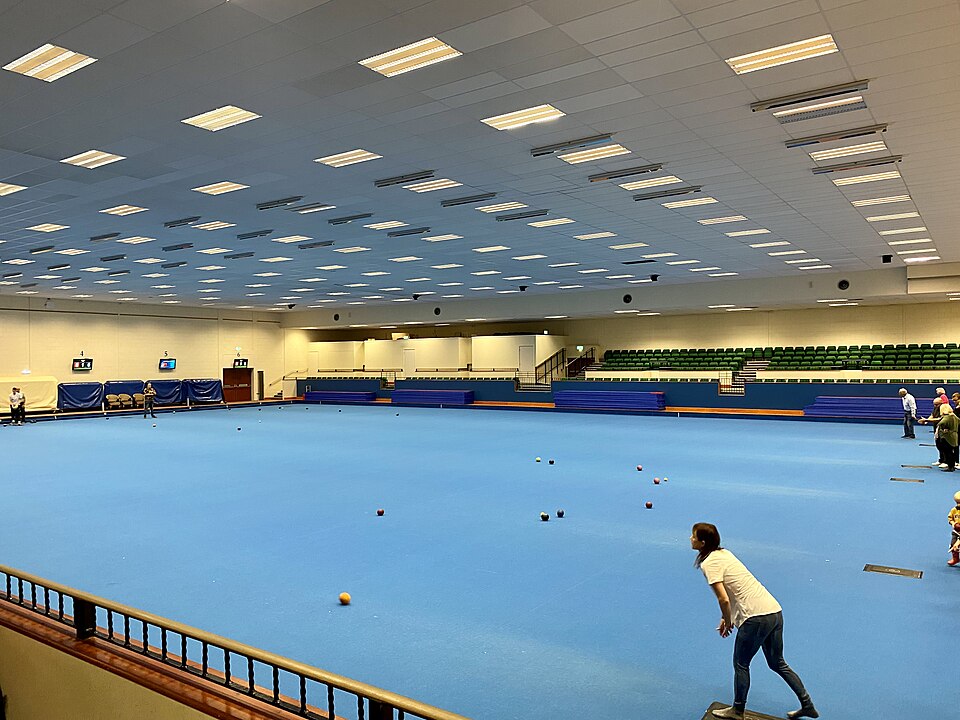
Mat control and jack length domination are fundamental tactical advantages in indoor bowls. If you win the toss, take the jack—this simple decision gives you control over the initial end and sets the tone for the game. Consistently controlling the jack length disrupts the opponent’s rhythm, particularly if they favor a specific length. Professional players often vary the jack length throughout a match to prevent opponents from settling into a comfortable delivery pattern.
Understanding your opponent’s preferred length is crucial for tactical success. Some players excel at short ends, while others prefer longer distances. By deliberately choosing lengths that challenge your opponent’s weaknesses, you can force errors and create scoring opportunities. For example, if your opponent struggles with longer ends, consistently placing the jack at extended distances can neutralize their strengths and expose their limitations.
Mat positioning also affects tactical options. Moving the mat slightly can upset an opponent’s delivery rhythm without necessarily changing the length. This subtle adjustment can be particularly effective against players who have developed a specific delivery pattern or timing. The key is to remain unpredictable while maintaining your own consistency—creating a tactical advantage through controlled variation rather than random changes.
Singles vs Team Play: Specialized Tactics
Singles and team play require distinctly different tactical approaches in indoor bowls. In singles, do not drive if you only have one bowl in the head. Focus on building the head steadily rather than relying on desperate big shots. Singles play demands patience and precision, as there are no teammates to rescue poor positioning. Each bowl becomes critical, and the mental pressure is significantly higher when playing alone.
Pairs and team play offer different tactical opportunities through coordinated effort. Ensure the team works together to build a strong head, with leads placing bowls strategically, and skips finishing with precision. The skip’s role becomes crucial in team play, as they must read the head and direct teammates’ shots effectively. Communication between team members is essential for executing complex tactical plans.
Team play also allows for specialized roles and risk distribution. While singles players must be proficient in all aspects of the game, team members can focus on their strengths. Some players excel at drawing, while others specialize in driving or blocking. This specialization creates tactical depth that isn’t available in singles play, where versatility becomes the primary requirement for success.
Mental Game and Opponent Analysis Strategies
Pre-Shot Routine and Mental Focus Techniques
-
Visualize the shot: Imagine the perfect trajectory for every bowl before delivering
-
Mental routine: Develop a pre-shot routine to maintain focus and composure, especially after a bad end
-
Stay in the bubble: Ignore distractions and focus entirely on your own game
-
Develop breathing techniques for maintaining calm under pressure
-
Create positive self-talk patterns to build confidence
-
Practice mindfulness to stay present during critical moments
-
Develop a reset routine after each end to clear mental clutter
-
Use visualization techniques during practice to reinforce successful outcomes
-
Establish a consistent pre-match preparation routine
-
Learn to manage emotional responses to both good and bad shots
Adapting to Opponent Strengths and Weaknesses
Successful indoor bowls players excel at opponent analysis and tactical adaptation. Observe the opponent’s preferred hand and length, and adapt your tactics to deny them their preferred shots. Professional players spend considerable time studying opponents’ patterns, identifying their strengths and weaknesses before and during matches. This analysis includes noting which hand they favor, their preferred delivery length, and their response to different tactical situations.
When being outplayed, try and change your opponent from the hand which is playing well for him. This can be done by changing to your opponents’ hand, dropping short, but only slightly in his draw. Try moving the mat to upset his rhythm of delivery rather than his length can be very helpful. The key is recognizing when your current strategy isn’t working and having the tactical flexibility to adjust mid-game.
If a conservative game is failing, shift to an aggressive approach to unsettle the opponent. Sometimes the best tactical adjustment is completely changing your playing style. This might mean abandoning your preferred draw game to become more aggressive with drives, or vice versa. The ability to recognize when to change tactics and execute that change effectively often separates winning players from those who consistently finish second.
The most surprising finding in competitive indoor bowls is that technical skill alone rarely wins matches at higher levels. While drawing consistently within 75cm of the jack is essential, the mental game and tactical adaptability often determine outcomes between equally skilled players. Many matches are won or lost based on who makes better tactical decisions rather than who has superior physical technique.
Your immediate action step: practice opponent analysis during your next three games by consciously noting your opponent’s preferred hand, length, and response patterns. Keep a simple mental or written record of these observations and experiment with tactical adjustments based on what you learn. This focused approach to opponent analysis will accelerate your tactical development far more quickly than technical practice alone.
Frequently Asked Questions About Indoor Bowls Strategy
How to win at indoor bowls?
Win by improving your own tactics and adapting to your opponent. When being outplayed, change the hand your opponent is using effectively by switching to their hand, dropping short, or altering your delivery to disrupt their rhythm and gain control of the game. For more information about professional competitions, visit the PBA Bowls website.
What are the key strategies for competitive indoor bowls?
Key strategies include mastering advanced tactical approaches such as controlling the head, varying bowl weight and line, and using defensive or attacking plays based on the game situation. Mental game and opponent analysis are also critical for making strategic decisions during play.
Why is mental game important in indoor bowls?
Mental game is vital because it helps you stay focused, manage pressure, and read your opponent's tactics. Strong mental skills allow you to adapt strategies mid-game and maintain composure, which can be the difference between winning and losing in competitive indoor bowls.