
Indoor bowls is played on fast, consistent synthetic surfaces, favoring narrow-bias bowls, while outdoor bowls utilizes slower grass surfaces, often requiring wider-bias bowls to counter wind and green inconsistencies. This fundamental difference shapes every aspect of gameplay, from equipment choices to strategic approaches.
- Surfaces: Indoor uses fast synthetic carpets; outdoor uses slower grass
- Bowl bias: Indoor requires narrow bias; outdoor needs wider bias
- Environment: Indoor is climate-controlled; outdoor faces weather challenges
- Benefits: Indoor offers consistency; outdoor provides tactical variety
What Makes Indoor Bowls Different from Outdoor Bowls?
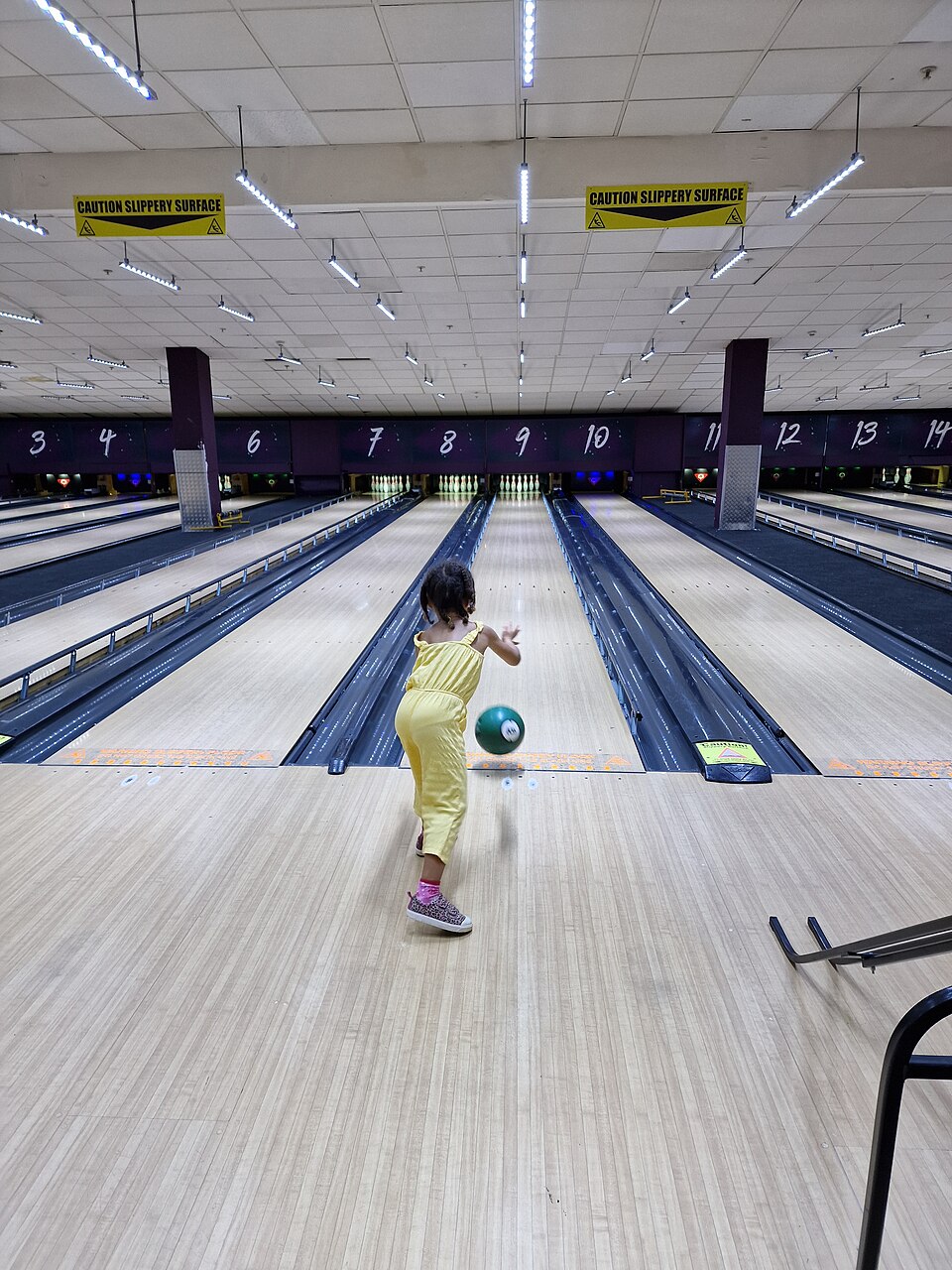
The core distinction between indoor and outdoor bowls lies in the playing surface. Indoor bowls are played on synthetic carpets that provide fast, consistent conditions, while outdoor bowls are played on grass surfaces that vary in speed and texture.
Surfaces and Green Speed: Fast vs Slow Play
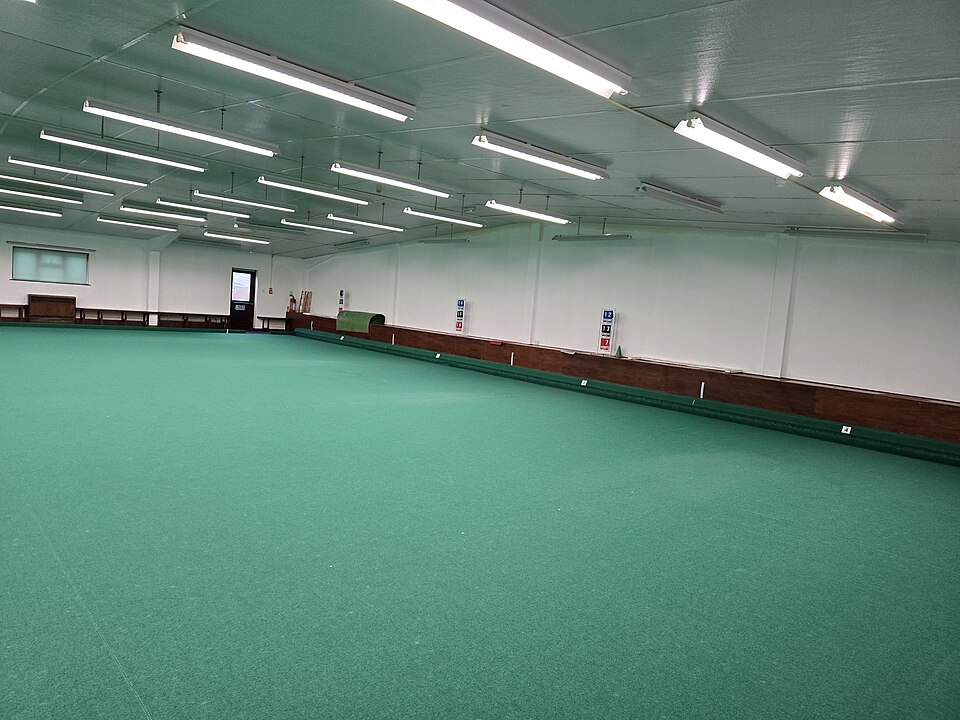
Indoor surfaces are flat, dry, and fast carpets that allow bowls to travel straight and true. The synthetic material provides minimal friction, resulting in predictable ball movement and high-speed play. Outdoor greens, conversely, are natural grass that can be damp, windy, or uneven. Grass creates more friction, slowing bowls down and introducing variables like moisture content and grass length that affect speed.
This surface difference directly impacts bowl control. On indoor carpets, a bowl released with moderate force will travel much farther than on grass. Players must adjust their delivery weight accordingly – what works indoors often requires 20-30% more force outdoors to achieve the same distance.
Bowl Bias Requirements: Narrow vs Wide Lines
Indoor bowls often require a narrow bias to suit fast, straight lines. The predictable surface allows for precise, direct shots with minimal curve. Bowls designed for indoor play typically have a narrower bias angle, enabling players to draw close to the jack with accuracy. Beginners should focus on mastering indoor techniques first to build a strong foundation.
Outdoor bowls generally require a wider bias to handle the slower, more challenging surfaces. The grass surface and environmental factors like wind create more resistance, requiring bowls to curve more dramatically to reach their target. Outdoor bowls typically feature a wider bias angle to compensate for these conditions.
Environmental Factors: Climate Control vs Weather
Indoor bowling is climate-controlled, offering consistent temperature, humidity, and lighting year-round. Players never face rain, wind, or extreme temperatures that could affect their game. This controlled environment allows for precise practice and reliable performance.
Outdoor bowling is subject to sunlight, rain, wind, and changing conditions. A sunny day can dry out the green, making it faster, while rain can slow play significantly. Wind affects bowl trajectory, requiring players to adjust their aim and weight. These variables create a more challenging but also more rewarding experience for those who master them.
Benefits of Indoor vs Outdoor Bowls

Both formats offer unique advantages that appeal to different player preferences and circumstances.
Year-Round Play and Consistency
Indoor bowls offers year-round, controlled play unaffected by weather conditions. Players can enjoy the sport during winter months or rainy seasons when outdoor play isn’t possible. The predictable surface allows for precise control and high-speed play, making it ideal for players who value consistency and want to maintain their skills throughout the year. Joining a bowls association can provide access to indoor facilities and organized play.
The climate-controlled environment also provides comfort advantages. Players don’t need to worry about sun exposure, heat exhaustion, or cold weather gear. Lighting is consistent, eliminating shadows or glare that could affect gameplay. This makes indoor bowls particularly appealing for older players or those with health considerations.
Natural Environment and Tactical Challenge
Outdoor bowls provides a natural environment played in the open air, often in park settings. The connection with nature and fresh air appeals to many players who enjoy being outdoors. The social atmosphere of outdoor clubs, particularly in the UK, creates a community feel that many find appealing. Local outdoor events offer opportunities to connect with fellow enthusiasts.
The tactical challenge of outdoor bowls is significant. Players must adapt to changing wind, sun, and green conditions throughout a game. A shot that works in the first end might need complete adjustment by the third end as conditions change. This variability creates a deeper strategic element that many players find intellectually stimulating.
Skill Development and Versatility
Playing both formats develops well-rounded skills that benefit players in all aspects of the game. Indoor play hones precision and consistency, while outdoor play builds adaptability and strategic thinking. Players who master both formats become more versatile and can handle any playing conditions.
The ability to read and adapt to different surfaces is a valuable skill that translates across all bowling disciplines. Players who understand both indoor and outdoor dynamics can quickly adjust when playing on unfamiliar surfaces, giving them a competitive advantage.
Equipment and Strategy Differences
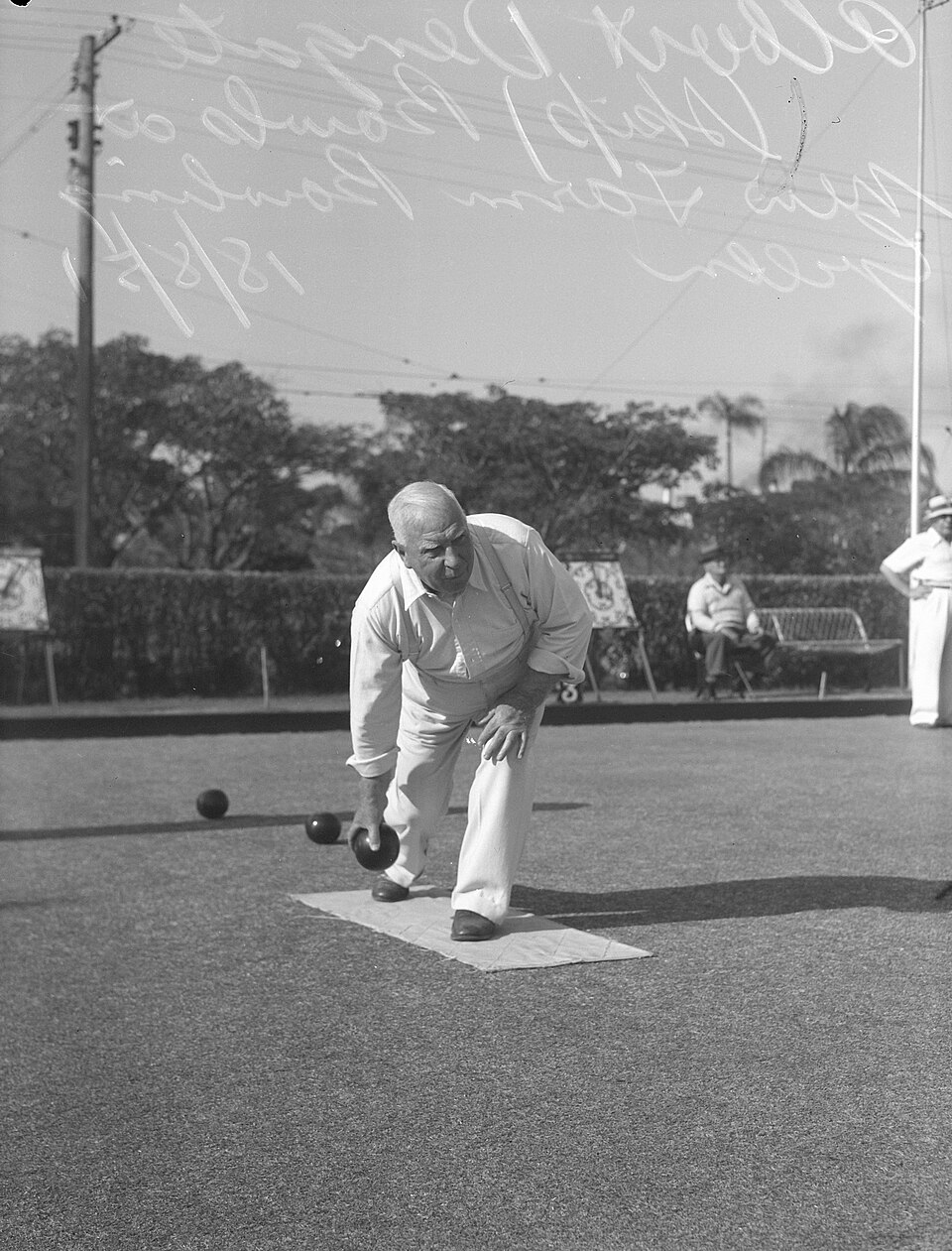
The equipment and strategic approaches for indoor and outdoor bowls differ significantly due to the surface and environmental variations.
Choosing the Right Bowls for Each Format
Indoor bowls require narrow-biased bowls designed for fast, straight lines. Popular choices include the Taylor Vector VS and Drakes Pride D-tec, which feature reduced bias angles perfect for indoor carpets. These bowls allow for precise drawing and accurate weight control on predictable surfaces.
Outdoor bowls need wider-biased bowls to handle slower grass surfaces. The Taylor Ace and Drakes Pride Professional are popular outdoor choices, offering the wider bias needed to navigate grass conditions and environmental factors. Many players maintain separate sets for indoor and outdoor play to optimize their performance. Understanding outdoor equipment requirements is essential for competitive play.
Strategic Approaches: Precision vs Adaptability
Indoor strategy focuses on precision and consistency. Players can plan shots with confidence, knowing the surface will behave predictably. The game often involves drawing close to the jack and maintaining tight head control. Weight control becomes paramount, as small variations in delivery can significantly impact results on fast surfaces.
Outdoor strategy requires adaptability and tactical flexibility. Players must constantly assess conditions and adjust their approach. Wind direction and strength become critical factors in shot selection. The ability to read the green and anticipate how it will affect bowl movement separates skilled outdoor players from beginners.
Practice and Training Considerations
Indoor practice allows for focused skill development on predictable surfaces. Players can work on specific techniques and build muscle memory without environmental variables. The consistent conditions make it easier to measure improvement and track progress over time.
Outdoor practice requires exposure to various conditions to build comprehensive skills. Players should practice in different weather conditions to understand how wind, temperature, and moisture affect play. This varied experience builds the adaptability needed for competitive outdoor play.
The most successful bowlers understand that mastering both formats makes them better players overall. The precision developed indoors enhances outdoor performance, while the adaptability gained outdoors improves indoor versatility. Whether you prefer the controlled consistency of indoor play or the natural challenge of outdoor bowls, understanding these differences will help you choose the right format and equipment for your playing style. Check tournament schedules to find events matching your preferred format.
Frequently Asked Questions About Indoor Bowls
What is the difference between indoor and outdoor bowls?
The Playing Surface: Grass vs. Indoor. This is the most obvious and impactful difference. The surface dictates the speed and line your bowl will take. Lawn Bowls (Outdoor): Played on natural, living grass. This affects how the bowl curves and travels.
What is the best bowl for indoor and outdoor use?
The Professional is the standard default range bowl from Drakes Pride. It has a middling bias which is suitable for outdoor, indoor and even Short-Mat bowls. This versatility makes it a popular choice for players who participate in both formats.
What are the 3 C's of bowling?
Focus on keying on the 3 C's of bowling: Concentration, Consistency, and Confidence. Good concentration will lead to consistency in your delivery, and confidence will help you execute your shots under pressure.