The Professional Bowls Association (PBA) governs lawn bowls worldwide with official rules and playing standards that ensure fair competition across all levels of play. Understanding these regulations is essential for players, tournament organizers, and anyone involved in professional lawn bowls competitions.
Key Takeaway
-
Professional Bowls Association governs lawn bowls worldwide with official playing standards
-
Membership offers tournament discounts and practice rates for players
-
World Bowls Regulations define international competition rules and formats
Official Bowls Association Rules and Playing Standards
Basic Rules: Rolling Bowls to Hit the Jack
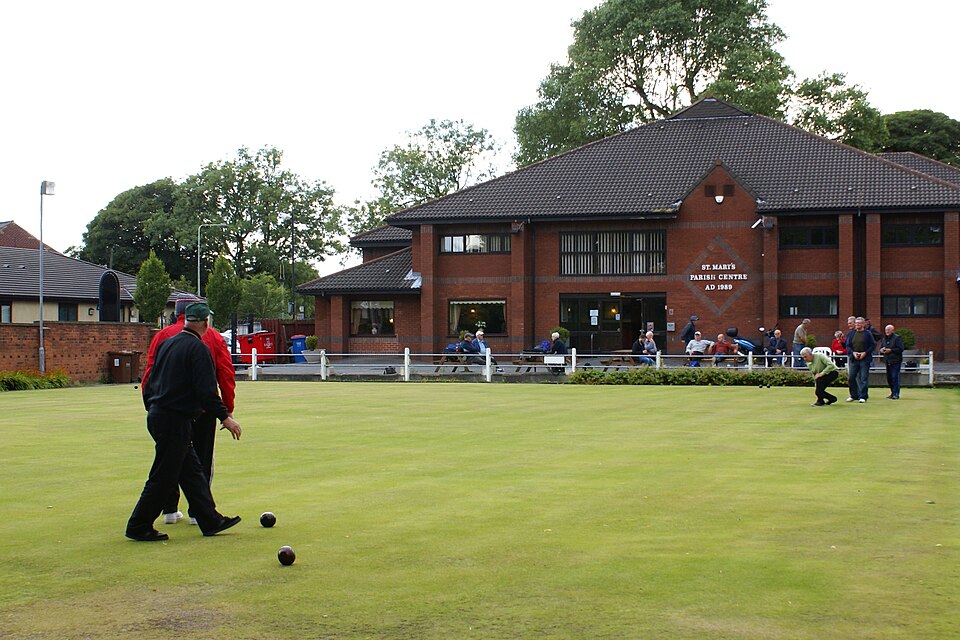
Lawn bowls gameplay centers on rolling biased bowls toward a small white target ball called the jack. Players deliver their bowls from one end of the green, attempting to get closest to the jack or strategically position their bowls to block opponents. The fundamental objective involves precision control and understanding how the bowl’s bias affects its curved path across the playing surface.
Scoring follows the Points After All (PAA) system where points are awarded after all bowls have been delivered in each end. The team or player with the bowl closest to the jack scores one point, plus additional points for each bowl closer than the opponent’s nearest bowl. A typical game consists of 18 to 21 ends, with the player or team accumulating the highest total points declared the winner.
The Professional Bowls Association maintains standardized rules for delivery techniques, foot faults, and rink etiquette. Players must keep at least one foot on or over the mat during delivery, and bowls that touch the jack remain in play even if they travel beyond the rink boundaries. These fundamental rules create consistency across tournaments and ensure fair competition regardless of location or playing conditions.
Advanced gameplay rules address specific scenarios like dead ends, where the jack is knocked out of bounds, requiring the end to be replayed. The PBA also regulates time limits for each end, typically allowing 2-3 minutes for delivery of all bowls, to maintain tournament schedules and prevent excessive delays. Weather conditions and green maintenance standards are also governed by official regulations to ensure consistent playing surfaces across different venues.
World Bowls International Regulations
-
International Event Definitions: World Bowls establishes clear criteria for what constitutes an international competition, excluding specific regional tournaments like trans-Tasman events from their official international classification system.
-
2021 Regulation Framework: The current World Bowls regulations provide comprehensive guidelines for tournament formats, player eligibility, and competition structures that all member nations must follow.
-
Equipment Standards: International regulations specify approved bowl sizes, weights, and bias specifications to ensure consistency across global competitions.
-
Tournament Formats: World Bowls defines various competition structures including singles, pairs, triples, and fours formats with specific scoring systems for each.
-
Player Eligibility: International competition rules establish citizenship requirements and ranking systems for player selection in major tournaments.
World Bowls regulations extend beyond basic gameplay to address tournament organization, umpiring standards, and dispute resolution procedures. The organization maintains a comprehensive rulebook that covers everything from measurement protocols for determining which bowl is closest to the jack, to procedures for handling equipment malfunctions during play. These detailed regulations ensure that competitions at the highest level maintain consistent standards regardless of location.
The classification system for international events helps players understand their competitive pathways and qualification requirements. World Bowls distinguishes between various tournament levels, from local club championships to world championship events, each with specific entry criteria and ranking point allocations. This structured approach helps players progress through competitive levels while maintaining clear standards for advancement.
Recent updates to World Bowls regulations have addressed modern concerns including technology use during competitions, social media policies for players, and environmental sustainability practices for tournament venues. These evolving standards reflect the sport’s adaptation to contemporary challenges while preserving the traditional aspects that make lawn bowls unique among competitive sports.
Professional Bowls Association Membership and Benefits
International Membership Options and Costs
|
Membership Tier |
Annual Cost |
Benefits Included |
Events Allowed |
|---|---|---|---|
|
Standard International |
$205/year |
Tournament discounts, practice rates |
Up to 3 events |
|
Premium Membership |
$299/year |
All standard benefits plus priority entry |
Unlimited events |
|
Junior Membership |
$99/year |
Discounted rates, coaching access |
2 events per season |
|
Family Membership |
$350/year |
Multi-player discounts, family practice rates |
4 events per season |
|
Senior Membership |
$175/year |
Age-based discounts, priority seating |
3 events per season |
The Professional Bowls Association offers tiered membership structures designed to accommodate different player levels and competitive aspirations. Standard international membership provides essential benefits including discounted tournament entries and preferred practice rates at affiliated facilities. Premium tiers add priority registration for major tournaments and exclusive coaching resources.
Membership fees contribute to the association’s operational costs and support grassroots development programs. The $205 annual standard fee includes access to the PBA member directory, tournament scheduling tools, and eligibility for national ranking systems. Additional benefits include liability insurance coverage during official PBA-sanctioned events and access to member-only practice facilities.
Family and senior membership options demonstrate the PBA’s commitment to inclusivity across age groups and playing situations. Family memberships allow multiple household members to share benefits at reduced rates, encouraging family participation in the sport. Senior memberships provide cost savings for older players while maintaining full access to competitive opportunities and association resources. For players interested in learning more about the advantages of joining a professional organization, the PBA provides comprehensive information on bowls association membership benefits that extend beyond basic tournament discounts.
Practice Rates and Tournament Entry Discounts
-
Tournament Entry Discounts: Members receive 15-25% discounts on entry fees for PBA-sanctioned tournaments, with savings varying by event size and location.
-
Practice Facility Rates: Exclusive member rates at affiliated greens provide 30-40% savings compared to public practice fees, encouraging regular skill development.
-
Early Registration Access: Members gain priority registration windows for major tournaments, often securing spots before general public registration opens.
-
Coaching Session Discounts: Reduced rates for professional coaching sessions help members improve their skills at affordable prices.
-
Equipment Purchase Programs: Partnership agreements with equipment manufacturers provide members with exclusive discounts on bowls, clothing, and accessories.
Beyond basic discounts, PBA membership includes access to specialized training programs and educational resources. Members can participate in skill development clinics led by professional players, attend strategy workshops, and receive personalized feedback on their technique through video analysis services. These educational opportunities help players improve their game while building connections within the bowling community.
The association also provides members with comprehensive tournament scheduling information, including qualification requirements for major events and ranking point systems. This transparency helps players plan their competitive seasons effectively and understand the pathways to advancing their careers in professional lawn bowls. Members receive regular newsletters with updates on rule changes, upcoming tournaments, and player achievements.
Networking opportunities through membership include access to player forums, mentorship programs pairing experienced players with newcomers, and social events that build community among participants. These connections often lead to practice partnerships, team formations for pairs and triples competitions, and lasting friendships that extend beyond the bowling green.
Equipment Rules and Anti-Doping Regulations
Ball Specifications and Urethane Regulations
Professional lawn bowls equipment must meet strict specifications to ensure fair play across all competitions. Bowls are manufactured with specific size ranges, weight limits, and bias characteristics that comply with World Bowls standards. The diameter typically ranges from 116mm to 127mm, with weight not exceeding 1.59kg for standard play.
Material regulations focus on durability and performance consistency. While the ten-pin bowling PBA permits urethane 78D balls for their specific sport, lawn bowls maintain different material standards focused on the unique playing surface requirements. The surface texture and composition must provide consistent grip and roll characteristics across various green conditions.
Balance hole regulations prevent players from modifying bowls to gain unfair advantages. Professional competitions prohibit any alterations that affect the bowl’s natural bias or rolling characteristics. Manufacturers must certify their products meet all specifications before they can be used in sanctioned tournaments, ensuring every player competes with equipment that meets the same rigorous standards.
Additional equipment regulations cover measuring devices, scorecards, and clothing requirements. Players must use approved measuring tools for determining bowl positions, and clothing must meet specific standards for tournament play, including requirements for appropriate footwear that won’t damage the playing surface. These comprehensive equipment rules ensure that competition focuses on player skill rather than equipment advantages.
Anti-Doping Policies and Testing Procedures
-
Prohibited Substances: The PBA follows World Anti-Doping Agency guidelines, prohibiting performance-enhancing drugs, stimulants, and masking agents in professional competition.
-
Testing Protocols: Random drug testing occurs at major tournaments, with players selected through a computerized draw system to ensure unbiased selection.
-
Sample Collection: Testing involves both urine and blood samples collected under strict supervision to maintain chain of custody and prevent tampering.
-
Result Processing: Laboratory analysis follows standardized procedures with results verified by independent medical professionals before any disciplinary action.
-
Appeal Rights: Players have the right to challenge positive test results through established appeal procedures within specified timeframes.
Anti-doping regulations protect the integrity of professional lawn bowls by ensuring all competitors succeed based on skill and practice rather than artificial enhancement. The PBA maintains strict confidentiality throughout the testing process and provides educational resources to help players understand their responsibilities regarding prohibited substances.
Testing frequency increases for players who achieve top rankings or qualify for major international events. The association also conducts educational seminars about supplements and medications that might contain banned substances, helping players make informed decisions about their health and competitive preparation.
Penalties for violations range from temporary suspensions to permanent bans depending on the severity and circumstances of the infraction. The PBA publishes annual reports detailing testing statistics and outcomes to maintain transparency in their anti-doping program and demonstrate their commitment to clean sport.
The association also addresses emerging concerns such as CBD product use, prescription medication disclosures, and the impact of altitude training on performance. These evolving policies reflect the PBA’s commitment to maintaining fair competition while adapting to changing athletic practices and scientific understanding of performance enhancement.
Beyond competitive play, the PBA provides resources for recreational players who want to understand equipment specifications and anti-doping policies. This educational approach helps build a culture of compliance throughout the sport, from casual club play to professional tournaments, ensuring that the principles of fair competition are understood and respected at all levels.
The most surprising finding is that lawn bowls, often perceived as a casual recreational activity, maintains professional standards comparable to Olympic sports with comprehensive equipment regulations and anti-doping programs. This demonstrates the sport’s evolution into a serious competitive discipline requiring the same level of governance as more widely recognized professional sports.
For players looking to advance their competitive career, the first step is joining the Professional Bowls Association to access member benefits and understand the official rules. Start by reviewing the World Bowls Regulations PDF available from worldbowls.com, then contact your local PBA representative to discuss membership options and upcoming tournament opportunities in your area.