
Indoor and outdoor bowls are fundamentally different sports shaped by their playing environments. Indoor bowls feature fast, consistent synthetic surfaces requiring narrower bias bowls, while outdoor bowls are played on slower, variable grass greens requiring wider bias bowls to combat higher friction.
Key Takeaway
-
Indoor bowls feature fast, consistent synthetic surfaces requiring narrower bias bowls, while outdoor bowls are played on slower, variable grass greens requiring wider bias bowls to combat higher friction
-
Indoor environments offer climate-controlled conditions, whereas outdoor bowling is subject to sunlight, rain, and wind that significantly affect gameplay
-
Outdoor bowls require players to adapt to changing green conditions, while indoor play prioritizes consistent technique and close accuracy within inches of the jack
Surface and Speed: Grass vs. Synthetic Playing Conditions
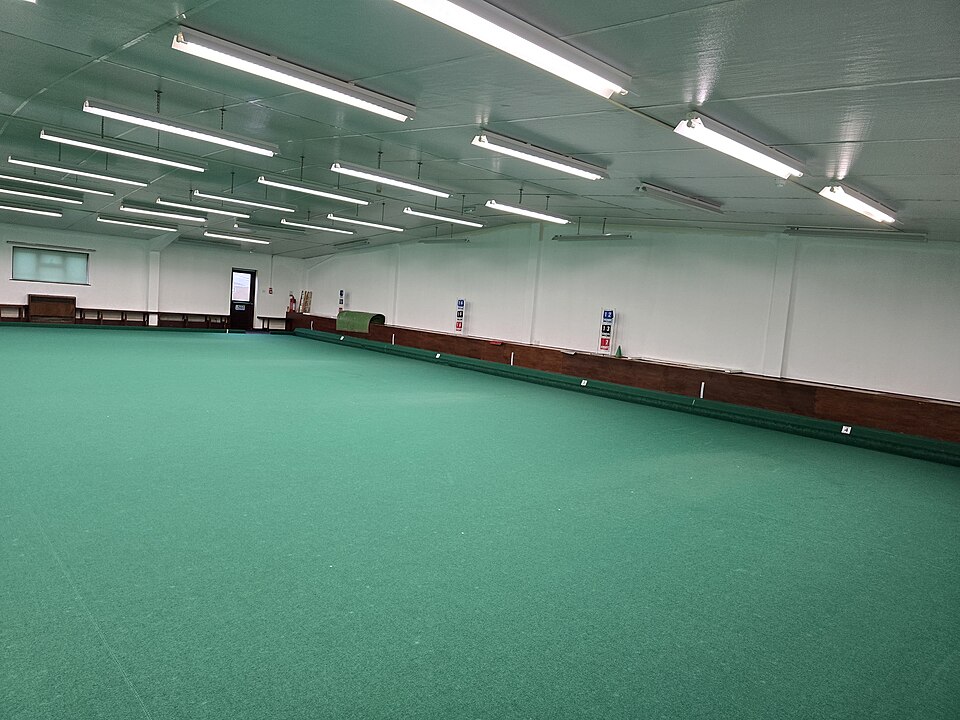
Indoor surfaces are flat, smooth, and fast compared to outdoor grass greens
The playing surface is the most fundamental difference between indoor and outdoor bowls. Indoor greens are flat, smooth, and fast, typically covered with carpet or synthetic materials that provide a consistent playing experience. This uniform surface allows bowls to travel in straighter lines with minimal deviation, creating a predictable playing environment where precision is paramount.
Outdoor greens, by contrast, are natural grass surfaces that can be slower, heavier, and uneven. The quality of outdoor greens varies significantly from club to club and even day to day, depending on factors like mowing patterns, moisture levels, and grass health. These natural variations create a more challenging playing environment where players must constantly adjust their delivery and strategy based on the current green conditions.
The speed difference between surfaces directly impacts how bowls behave. Indoor surfaces allow for faster gameplay with bowls reaching their target more quickly, while outdoor grass requires more weight or power to achieve the same distance. This fundamental speed difference shapes every aspect of strategy and technique for each format.
How surface speed affects bowl bias requirements
|
Surface Type |
Speed |
Bias Requirement |
Player Strategy |
|---|---|---|---|
|
Indoor Synthetic |
Fast |
Narrow bias |
Precision drawing |
|
Outdoor Grass |
Slow to Medium |
Wide bias |
Weight control |
The relationship between surface speed and bowl bias is critical to understanding both formats. Indoor bowls typically have a narrow bias (straighter line) due to the fast surface, allowing for higher precision and closer accuracy to the jack. Players can deliver bowls with confidence that they will follow a predictable path, often within inches of their intended target — lawn bowls.
Outdoor bowls require a wider bias to counteract the friction of the grass and wind resistance. The wider curve helps bowls navigate around obstacles and reach their target despite the slower, more resistant surface. This fundamental difference in bias requirements means that many players use specialized bowls for each format, though versatile “mid-bias” bowls can work on both surfaces.
Environmental Factors: Climate Control vs. Weather Conditions
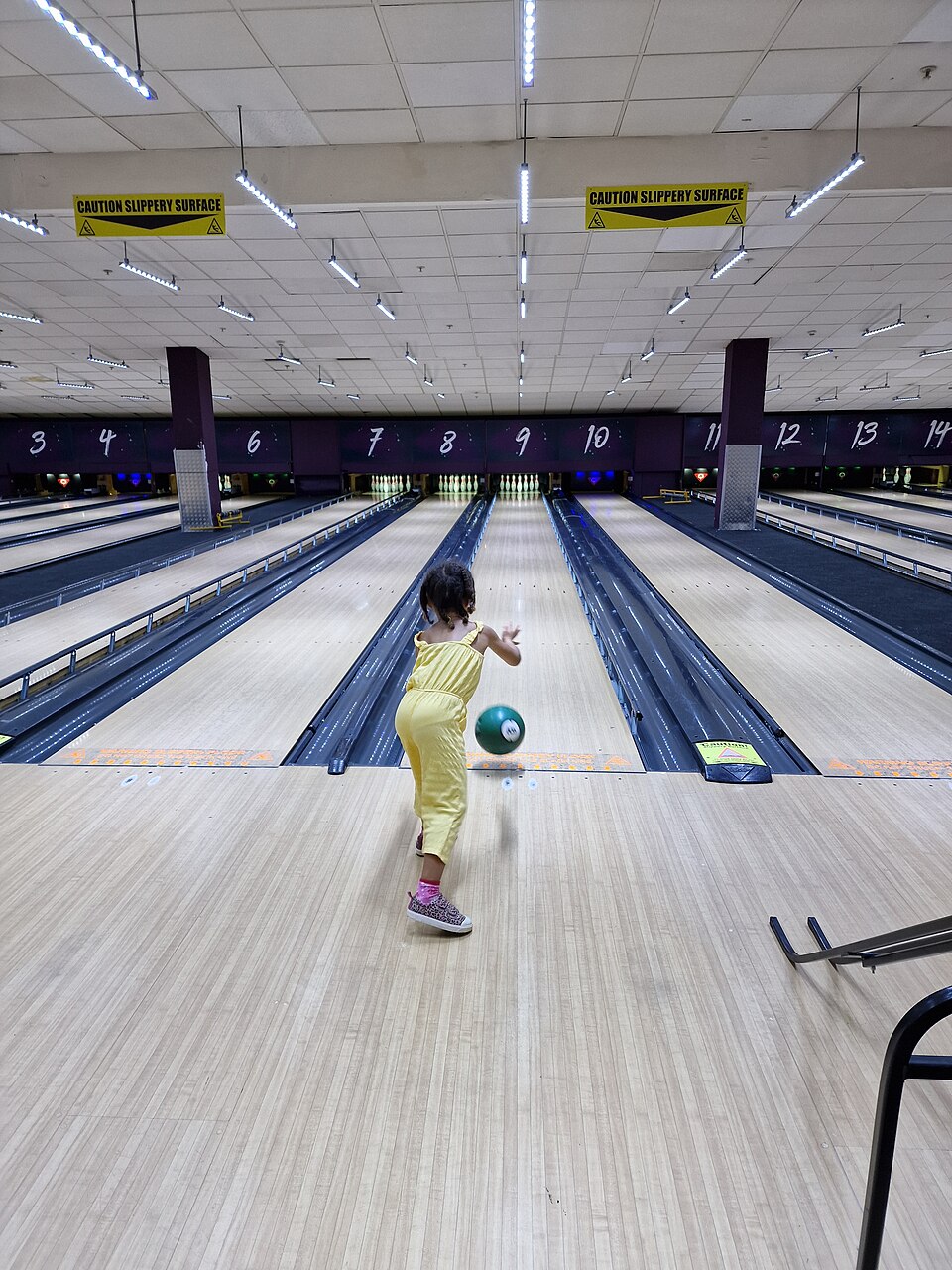
Indoor bowling offers consistent, climate-controlled conditions
Indoor bowling environments offer consistent, climate-controlled conditions that eliminate virtually all weather variables. Temperature, humidity, and air circulation are carefully regulated to maintain optimal playing conditions year-round. This controlled environment means that games played in January feel identical to those played in July, allowing players to develop and maintain consistent techniques without seasonal adjustments.
The absence of weather factors creates a level playing field where success depends purely on skill and strategy rather than environmental adaptation. Players can focus entirely on their delivery, line, and weight without worrying about external factors. Indoor games are controlled by temperature and other environmental settings, creating predictable conditions that reward technical precision and consistent execution.
This consistency makes indoor bowling particularly appealing for competitive play and skill development. Players can practice the same shots repeatedly and expect identical results, allowing for rapid improvement and mastery of specific techniques. The controlled environment also makes indoor bowling accessible to a wider range of players, including those who might be deterred by outdoor weather conditions.
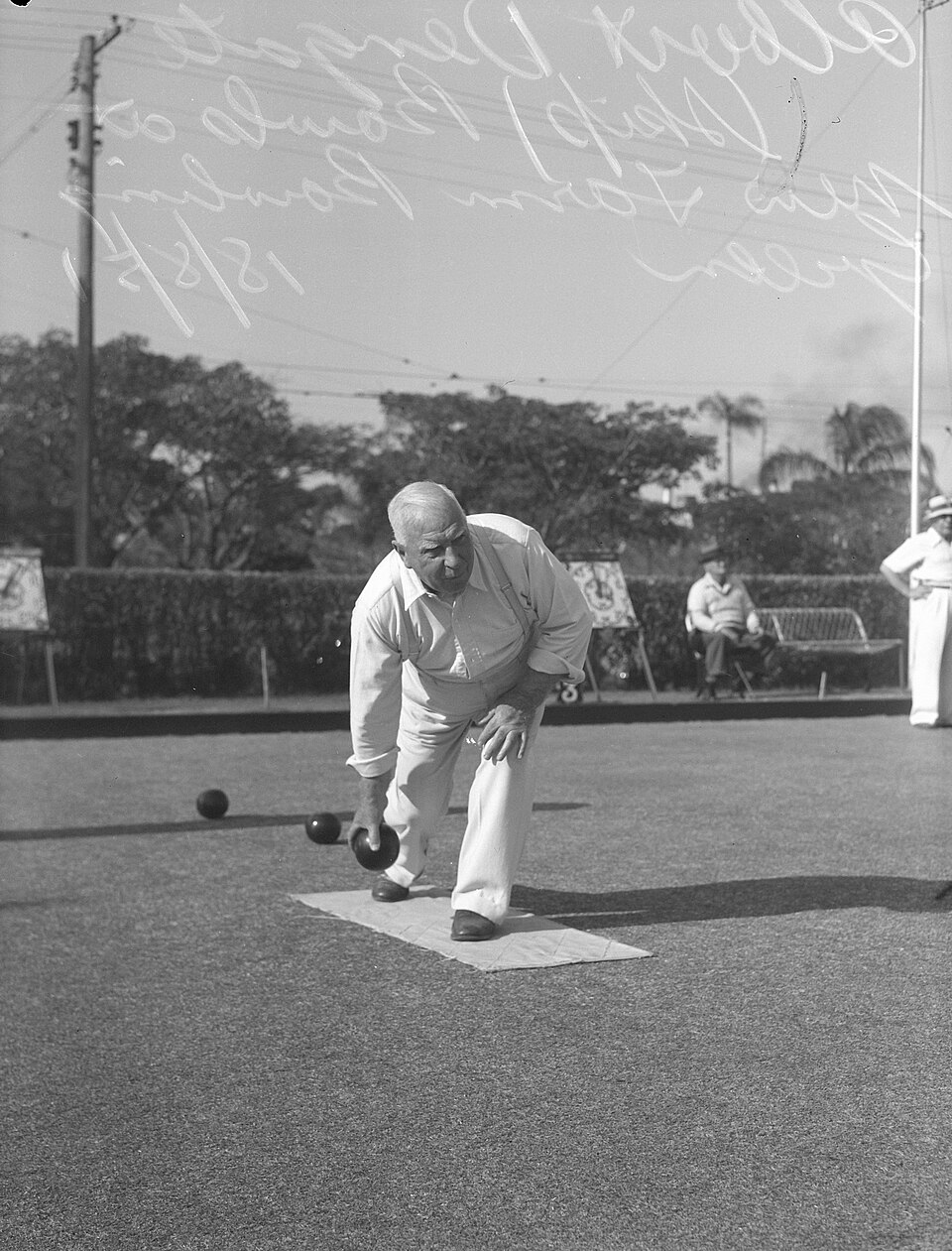
Outdoor bowling faces weather challenges like wind and rain
Outdoor bowling is subject to sunlight, rain, and wind, which can significantly affect the game. Weather conditions create a dynamic playing environment where no two games are ever identical. Wind can dramatically alter bowl trajectories, requiring players to adjust their lines and weights constantly. Even light breezes can push bowls off course, while strong winds can make certain shots virtually impossible.
Rain affects both the green surface and bowl behavior. Wet grass creates slower conditions and can cause bowls to track differently than on dry surfaces. Players must adjust their weight and sometimes their entire strategy when playing in damp conditions. Sunlight creates its own challenges, with glare affecting players’ ability to judge distances and read the green surface accurately.
Temperature fluctuations also impact outdoor play. Hot, dry conditions can make greens faster and more unpredictable, while cool, damp conditions slow everything down. Players must develop the ability to read these conditions quickly and adjust their game accordingly. This environmental variability is both the greatest challenge and most appealing aspect of outdoor bowls for many players, as it requires constant adaptation and strategic thinking.
Equipment and Strategy: Adapting to Different Playing Conditions
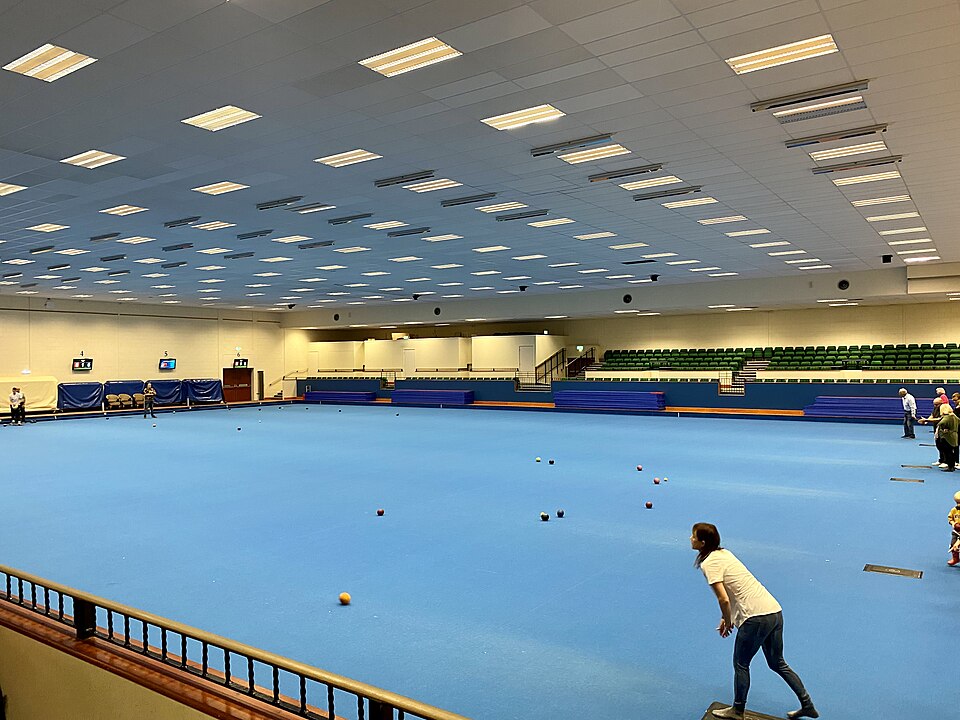
Specialized bowls for indoor vs outdoor surfaces
While many modern bowls can be used for both indoor and outdoor play, many players prefer specialized sets for each format. Indoor bowls often have a tighter, more precise bias designed for the faster, more predictable synthetic surfaces. These bowls are engineered to travel in straighter lines with minimal deviation, allowing for the close accuracy that indoor play demands.
Outdoor bowls typically feature a wider bias to handle the slower, more resistant grass surfaces. The increased curve helps bowls navigate around obstacles and reach their targets despite the additional friction and wind resistance. Many outdoor players also prefer heavier bowls that can maintain their momentum through the slower grass conditions and resist the effects of wind.
Equipment considerations extend beyond just the bowls themselves. Indoor players often use shoes with smoother soles designed for synthetic surfaces, while outdoor players need footwear with better grip for grass. Some players invest in multiple sets of bowls with different biases to handle varying outdoor green conditions, from fast, dry surfaces to slow, heavy greens after rain. For those looking to upgrade their gear, Essential Equipment for Outdoor Bowls provides comprehensive guidance.
Skill adaptation: consistency vs. adaptability
Outdoor bowls require players to adapt to changing green conditions, while indoor play prioritizes consistent technique and close accuracy. The outdoor format demands a broader skill set, including the ability to read green conditions, adjust for weather factors, and modify strategies on the fly. Successful outdoor players must be versatile and able to handle whatever conditions they encounter.
Indoor play rewards consistency and precision above all else. Since the playing conditions remain constant, players can focus on perfecting specific techniques and developing muscle memory for particular shots. The ability to deliver bowls with identical weight and line repeatedly becomes the primary determinant of success. Indoor Bowls Techniques for Beginners can help new players master these fundamental skills.
Both formats require different mental approaches. Outdoor players must stay alert and ready to adjust their strategy throughout the game as conditions change. Indoor players can focus more on their own technique and less on external factors, but must maintain intense concentration to execute shots with the precision required. Many top players excel in both formats but develop distinct playing styles for each, recognizing that the skills that work indoors may not translate directly to outdoor success.
The most surprising finding is that many professional players actually prefer one format over the other based on their personal strengths rather than objective superiority. Some thrive on the consistency and precision of indoor play, while others love the strategic challenge and environmental variability of outdoor bowling. The key to success in either format is understanding these fundamental differences and adapting your equipment, technique, and strategy accordingly.
For players looking to improve their game, the most actionable step is to practice specifically for your chosen format. Indoor players should focus on developing consistent delivery and precision drawing, while outdoor players should practice reading green conditions and adjusting for weather factors. Consider investing in specialized equipment for your preferred format, as the right bowls can make a significant difference in your performance and enjoyment of the game.
Frequently Asked Questions About Indoor Bowls Vs Outdoor Bowls Differences
What is the difference between indoor and outdoor bowls?
Indoor bowls are played on synthetic surfaces that are fast, requiring narrow bias bowls and precision drawing. Outdoor bowls are played on grass, which is slower to medium speed, requiring wide bias bowls and weight control strategy.
What bowls do I need for indoor bowls?
For indoor bowls, you need bowls with a narrow bias designed for fast synthetic surfaces, focusing on precision drawing rather than weight control.
What is the difference between indoor and outdoor surfaces in bowls?
Indoor surfaces are synthetic and fast, requiring narrow bias bowls and precision drawing. Outdoor surfaces are grass, slower to medium speed, requiring wide bias bowls and weight control strategy.