
Official outdoor lawn bowls courts must be square, measuring between 31 and 40 meters in the direction of play. These dimensions ensure fair competition and proper gameplay for both casual and professional matches.
Key Takeaway
-
Outdoor bowls courts must be 31-40 meters square for official play
-
Standard greens are divided into 6 rinks, each 4.3-5.8m wide
-
Ditch dimensions: 200-380mm wide, 50-200mm deep, with 230mm bank height
Official Outdoor Bowls Court Dimensions
Overall Green Size Requirements
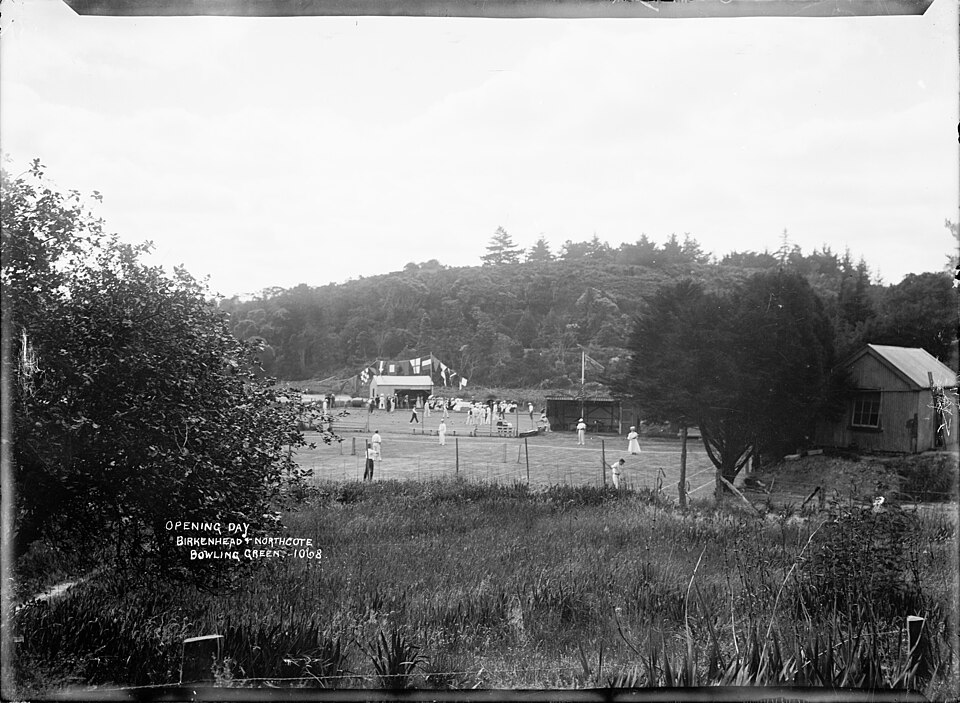
Official outdoor lawn bowls courts, or greens, are generally square, measuring between 31 and 40 meters (roughly 102 to 131 feet) in the direction of play. The Green (Overall Area): Must be a square or rectangular area, with official competitive dimensions between 31m and 40m in the direction of play. These dimensions provide adequate space for proper gameplay while maintaining competitive balance. The square shape ensures equal playing conditions from all directions, preventing any directional advantages that might occur on rectangular layouts.
The 31-40 meter range accommodates different levels of play and available space. Smaller greens at 31 meters are often used for club-level competitions and recreational play, while larger 40-meter greens are preferred for professional tournaments where precision and strategy are paramount. The square configuration also allows for optimal drainage and sunlight exposure, critical factors for maintaining healthy grass surfaces throughout the playing season.
International competition standards typically require the full 40-meter dimension to ensure consistency across tournaments. However, many successful clubs operate with 35-meter greens that provide excellent playing conditions while requiring less maintenance and water usage. The choice between dimensions often depends on local climate conditions, available resources, and the level of competition the facility aims to host. Participating in Local Bowls Events and Tournaments Near You can help clubs determine the optimal court size for their community.
Rink Division and Lane Specifications
|
Component |
Specification |
|---|---|
|
Total Green Size |
31-40 meters square |
|
Number of Rinks |
6 standard rinks |
|
Rink Width |
4.3-5.8 meters each |
|
Boundary Peg Width |
Maximum 25mm |
The Rinks (Playing Lanes): A standard green is divided into six rinks, with each rink measuring between 4.3m and 5.8m in width. Boundary Pegs: White or brightly colored markers, no more than 25mm wide, are used to mark the corners of the rinks. This division allows multiple games to occur simultaneously while maintaining clear boundaries between playing areas. The width range accommodates different skill levels and competition types, with narrower rinks typically used for more precise play.
Six rinks represent the optimal balance between court utilization and player comfort. Each rink provides sufficient width for players to deliver bowls without interference from adjacent games. The 4.3-5.8 meter range allows clubs to adjust rink width based on their membership demographics – narrower rinks challenge experienced players while wider rinks accommodate beginners learning the game. Boundary pegs must be highly visible yet narrow enough to avoid interfering with bowl delivery or roll.
Professional tournaments often use the maximum 5.8-meter width to test players’ accuracy and control. Club-level competitions might opt for 4.5-meter rinks to create a more forgiving playing experience. Some facilities install adjustable boundary systems that allow quick width changes between different events or skill levels. The peg width limitation of 25mm ensures markers don’t create visual distractions or physical obstacles during play.
Court Setup and Boundary Requirements
Ditch and Bank Specifications
-
The Ditch: A surrounding ditch, used to catch bowls that leave the playing surface, should be 200mm to 380mm wide and 50mm to 200mm deep
-
The Bank: The outer edge of the ditch, at least 230mm above the surface of the green, vertical or slightly sloped
The ditch serves as a boundary marker and safety feature, preventing bowls from rolling beyond the playing area. The specified width and depth ensure bowls are contained while remaining easily retrievable. The bank height of at least 230mm provides a clear visual and physical barrier, helping players judge distances and preventing accidental stepping into the ditch during play.
Ditch construction requires careful attention to drainage and maintenance. The 200-380mm width accommodates different soil conditions and local regulations, while the 50-200mm depth prevents water accumulation that could damage the playing surface. The bank must be constructed from durable materials like concrete or treated timber to withstand weather exposure and player contact. Some facilities incorporate drainage systems within the ditch structure to prevent water pooling during rainy conditions.
Professional venues often feature wider ditches at the maximum 380mm specification to provide additional safety margins during high-speed play. The depth variation allows for different maintenance approaches – shallower ditches require less excavation but may need more frequent cleaning, while deeper ditches provide better containment but require more complex construction. Bank materials must resist UV degradation and moisture damage to maintain their structural integrity over years of exposure.
Playing Surface and Mat Placement
Surface: A flat, well-manicured natural grass or approved synthetic surface is required. Mat Placement: The mat is generally 600mm long by 360mm wide and is placed for the start of an end, with the front edge no less than 2m from the rear ditch. Jack Length: The jack must be delivered a minimum of 23 meters from the front edge of the mat. The playing surface must be perfectly flat to ensure fair play, with grass cut to a consistent height. The mat dimensions provide adequate space for players to deliver their bowls while maintaining proper stance and balance. Understanding Indoor Bowls Techniques for Beginners can help new players develop proper delivery techniques that translate to outdoor play.
Grass maintenance represents a significant ongoing commitment for outdoor bowls facilities. The surface requires regular mowing, watering, and fertilization to maintain optimal playing conditions. Synthetic surfaces offer lower maintenance requirements but must meet specific performance standards for ball roll and bounce characteristics. Mat placement rules ensure consistent starting positions across all rinks, while the 23-meter jack delivery requirement creates a standardized playing distance that challenges players’ accuracy and control.
Professional greens typically feature grass cut to approximately 4-6mm height, creating a smooth, fast surface that rewards precise delivery. The mat’s 600mm length allows players to position themselves comfortably while the 360mm width accommodates different delivery styles. The 2-meter minimum distance from the rear ditch prevents players from delivering too close to the boundary, which could affect bowl trajectory and strategy.
Court Orientation and Setup Considerations
Rink Orientation and Grass Protection
-
Rink Orientation: To protect the grass, the direction of play is often rotated, moving from north-south to east-west weekly
-
This rotation prevents wear patterns and ensures even grass growth across the entire green
-
Weekly changes help maintain consistent playing conditions throughout the season
Rotating the direction of play is essential for maintaining the quality of the playing surface. When players consistently use the same direction, it creates wear patterns that can affect ball roll and gameplay. The north-south to east-west rotation ensures all areas of the green receive equal use and exposure to environmental factors like sunlight and drainage patterns. Joining a bowls association membership benefits can provide access to resources and guidelines for proper court maintenance.
Grass protection strategies extend beyond simple rotation. Many facilities implement seasonal rest periods for specific rinks, allowing damaged areas to recover through overseeding and specialized treatments. Some clubs use temporary protective covers during extreme weather conditions to prevent frost damage or excessive wear during high-traffic events. The orientation strategy also considers sun position throughout the day, ensuring players don’t face direct sunlight during critical shots.
Advanced facilities use GPS mapping to track wear patterns and optimize rotation schedules. They might rotate rinks every 3-4 days during peak season or implement diagonal orientations to distribute wear more evenly. Some clubs coordinate with local weather services to schedule rotations around expected rainfall or temperature extremes, maximizing grass recovery between playing sessions.
Boundary Safety and Rebounding Rules
Boundary Safety: Boundary pegs for an outside rink are usually placed at least 600mm from the side ditch. Rebounding: A jack is still in play if it is hit into the ditch, provided it is at least 20m from the mat line. These safety measures protect players and spectators while maintaining clear boundaries for play. The 600mm minimum distance ensures players have adequate space to deliver bowls without interference from boundary markers. The jack rebounding rule adds strategic complexity to the game, allowing skilled players to use the ditch as a tactical element.
Safety considerations extend to spectator areas and adjacent facilities. Boundary pegs must be securely anchored to prevent movement during play, while the 600mm setback provides a safety buffer for players who might step sideways during delivery. The jack rebounding rule requires careful measurement and judgment by officials, as determining the 20-meter distance from the mat line can be challenging in fast-paced play. Some facilities install electronic distance measuring systems to assist with accurate calls during competitive matches.
Professional venues often mark the 20-meter zone with subtle indicators to help officials make quick decisions. The rebounding rule creates exciting tactical opportunities, as players can deliberately bank shots off the ditch to reach difficult positions. However, this also requires clear communication between players and officials to prevent disputes over whether the jack remained in play after contact with the ditch.
The most surprising aspect of outdoor bowls court setup is how precise these dimensions must be for fair competition. Even small variations in green size or rink width can significantly affect gameplay. For immediate action, measure your available space and ensure it meets the 31-40 meter requirement before investing in equipment or construction. Proper court dimensions are the foundation of enjoyable and competitive lawn bowls play.
Frequently Asked Questions About Outdoor Bowls Court Dimensions
What are the official dimensions of an outdoor bowls court?
An official outdoor bowls court is 31-40 meters square in total size, with 6 standard rinks each measuring 4.3-5.8 meters wide. The boundary pegs should be no more than 25mm wide to mark the rink edges accurately.
How wide should each rink be on an outdoor bowls court?
Each rink on an outdoor bowls court should be 4.3-5.8 meters wide, with a total green size of 31-40 meters square accommodating 6 standard rinks. Boundary pegs marking the edges must be a maximum of 25mm wide.
What is the maximum width for boundary pegs on a bowls court?
Boundary pegs on a bowls court must be a maximum of 25mm wide to clearly mark the rink edges without interfering with play. This specification applies to courts with a total green size of 31-40 meters square and 6 standard rinks each 4.3-5.8 meters wide.