
Outdoor bowls and indoor bowls differ mainly in surface speed, bowl bias, and environmental conditions. Outdoor greens are slower with wider bias bowls for stability, while indoor carpet is faster with narrower bias for precision.
Key Takeaway
-
Outdoor bowls are played on grass/synthetic surfaces that are slower due to higher friction
-
Indoor bowls use faster carpet surfaces requiring less effort to reach the jack
-
Outdoor bowls have wider bias for environmental conditions, indoor bowls have narrower bias for accuracy
-
Outdoor play is weather-affected while indoor play is in controlled environments
-
Heavyweight bowls are favored outdoors for stability, standard weight indoors for momentum
Playing Surfaces and Speed: Grass vs Carpet
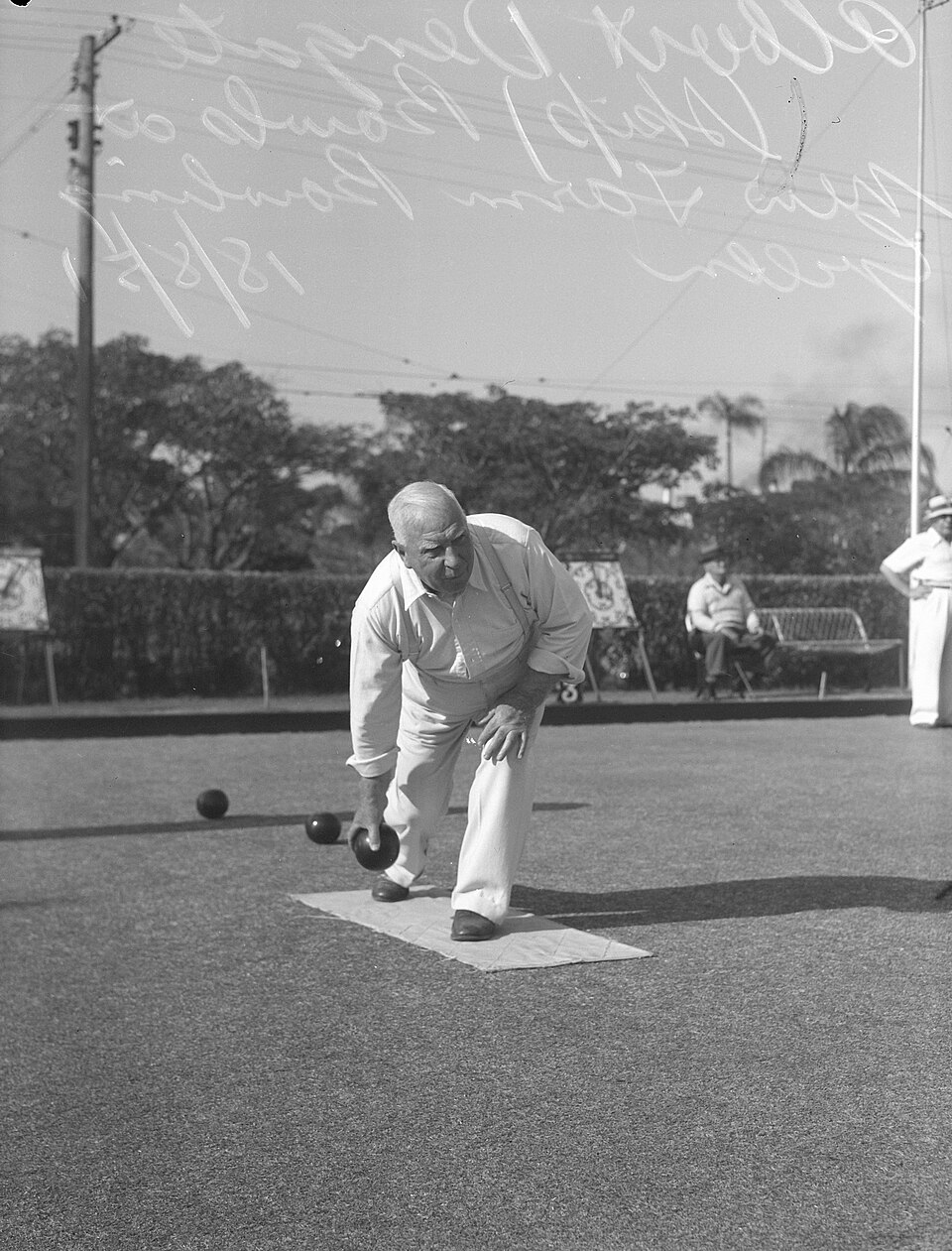
Surface Speed Differences: Friction and Momentum
Outdoor bowls are played on grass or artificial turf, which creates more friction than indoor carpet surfaces. This higher friction means outdoor greens are significantly slower, requiring players to put more effort into getting their bowls to reach the jack. The natural grass surface can vary in quality from club to club and even day to day, affecting how the bowl travels. Indoor bowls, played on synthetic carpet, offer a much faster surface where the bowl encounters less resistance. This means players need less effort to achieve the same distance, making the game feel quicker and more responsive. The carpet surface provides consistent speed throughout the game, unlike outdoor greens that can change as conditions vary.
The friction difference is substantial – outdoor grass typically has a coefficient of friction that’s 2-3 times higher than indoor carpet. This means a bowl that travels 25 meters on indoor carpet might only travel 18-20 meters on an outdoor green with the same delivery effort. Players must adjust their weight control accordingly, often using 20-30% more power for outdoor shots. The grass surface also creates more rolling resistance, causing bowls to slow down more gradually rather than maintaining speed like on carpet.
Surface speed variations are common in outdoor play. Morning dew can make greens heavier and slower, while afternoon sun can dry them out, creating faster but potentially more uneven patches. Indoor carpet maintains relatively constant speed regardless of time of day, though temperature and humidity in the building can cause minor variations. Professional indoor venues often maintain strict climate control to ensure consistent playing conditions throughout tournaments.
Environmental Impact on Outdoor Surfaces
-
Wind: Affects bowl trajectory and requires wider bias to counteract drift. Crosswinds can push bowls off line by several feet, while headwinds reduce distance and tailwinds increase it
-
Rain: Slows green speed and can make surfaces heavier and more unpredictable. Wet grass increases friction dramatically, sometimes reducing bowl speed by 40-50%
-
Sun: Can dry out grass, affecting speed and creating uneven patches. Direct sunlight can create speed variations across the green, with shaded areas playing slower
-
Temperature: Influences grass growth and surface consistency throughout the day. Cold mornings often produce slower, heavier greens, while warm afternoons can speed up play
-
Humidity: Affects grass moisture content and can influence bowl behavior, particularly in coastal areas where sea air impacts green conditions
-
Ground conditions: Soil type and drainage affect how greens play after rain, with some clubs experiencing more dramatic speed changes than others
Bowl Bias and Equipment: Wider vs Narrower

Bias Differences: Swing and Line Control
Outdoor bowls generally have a wider bias, allowing them to swing more dramatically to counteract uneven surfaces and wind conditions. This wider bias helps players navigate around obstacles and adjust for the natural variations in outdoor greens. The swingier nature of outdoor bowls means players must develop a feel for how much the bowl will curve under different conditions. Indoor bowls have a narrower bias, creating a tighter, straighter line that’s necessary for the faster, flatter carpet surface. This narrower bias allows for more precise targeting and requires less compensation for environmental factors — lawn bowls.
The bias difference is typically measured in degrees of swing – outdoor bowls might have a bias that causes them to swing 4-6 feet from their delivery line, while indoor bowls might only swing 2-3 feet. This wider bias in outdoor bowls helps counteract the natural imperfections in grass surfaces, where small bumps, slopes, and variations can affect bowl trajectory. The wider swing allows players to aim away from obstacles and let the bowl curve back toward the target.
Indoor bowls manufacturers often produce specific models with reduced bias for controlled environments. These bowls are designed to run straighter and truer on the consistent carpet surface. Many professional players own separate sets of bowls for indoor and outdoor play, with indoor sets typically featuring a more pronounced narrow bias stamp. The narrower bias also means indoor players must be more precise with their initial line, as there’s less margin for error when the bowl curves less dramatically. For those looking to invest in the right equipment, our Essential Equipment for Outdoor Bowls guide covers everything you need to know.
Weight Selection: Heavyweight vs Standard
-
Outdoor bowls: Heavyweight bowls are often favored to maintain stability in wind and on heavier grass surfaces. The extra weight (typically 100-150 grams more than standard) helps bowls resist wind drift and maintain momentum through thicker grass
-
Indoor bowls: Standard weight bowls are popular as the fast surface requires less weight for momentum. The reduced weight allows for better touch and feel on the consistent carpet
-
Wind resistance: Heavier bowls resist wind drift better, crucial for outdoor play where crosswinds can push lighter bowls off course by several feet
-
Surface interaction: Weight affects how bowls interact with different green speeds and textures. Heavier bowls tend to plow through surface irregularities better than lighter ones
-
Player fatigue: The weight difference can affect player endurance during long games, with heavyweight bowls requiring more physical effort to deliver consistently
-
Jack weight: Some outdoor venues use heavier jacks to match the conditions, while indoor play typically uses standard weight jacks regardless of surface speed
-
Material composition: Modern bowls use different materials that can affect weight distribution and performance in various conditions
Technique and Strategy Adaptations
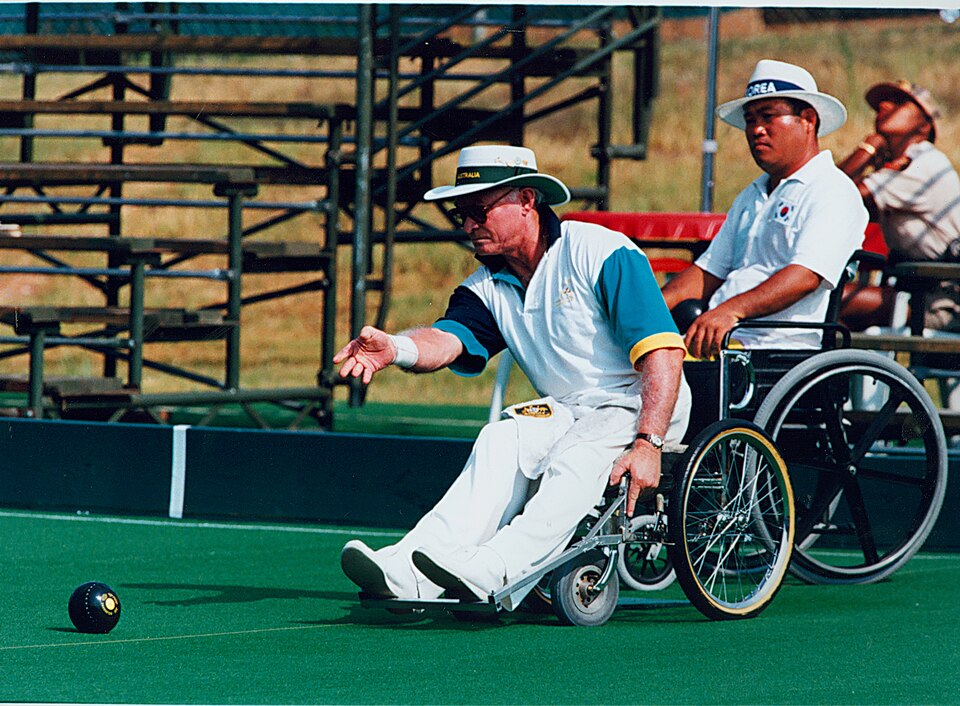
Outdoor Strategy: Adapting to Changing Conditions
Outdoor play requires constant adaptation to changing, uneven conditions. Players must read the green before each shot, considering factors like wind direction, moisture levels, and surface irregularities. The ability to adjust weight and line on the fly becomes crucial, as conditions can change throughout a game or even during a single end. Outdoor strategy often involves playing safer shots that account for environmental variables, rather than attempting precise draws that might be affected by wind or surface changes.
Understanding how to use the wider bias of outdoor bowls to navigate around obstacles and position bowls strategically becomes a key skill. Players must also develop the ability to judge how different weather conditions will affect their shots. For example, playing into a headwind might require 15-20% more weight, while crosswinds might necessitate aiming several feet to the side of the target. The mental aspect of outdoor play is significant, as players must constantly assess and adapt to changing conditions.
Outdoor strategy also involves understanding how different parts of the green play differently. Some areas might be faster due to more sun exposure, while others might be slower due to shade or moisture retention. Experienced outdoor players learn to identify these variations and adjust their tactics accordingly. The wider bias of outdoor bowls allows for creative shot-making, such as using the bowl’s natural curve to get around blocking bowls or to reach tucked-away positions.
Indoor Strategy: Technical Precision
-
Consistent conditions: Indoor play offers controlled environment with no weather interference, allowing players to focus purely on technique and strategy
-
Technical focus: The faster, consistent surface allows for more precise play and technical development, with players able to practice specific shots repeatedly under identical conditions
-
Closer draws: Indoor is considered more skillful as players need to draw closer within a few inches to get the shot, with the narrower bias allowing for more precise targeting
-
Line accuracy: The narrower bias requires precise line control for successful shots, as there’s less natural curve to compensate for aiming errors
-
Speed control: Indoor players must master fine weight adjustments, as the faster surface means small changes in delivery can result in large differences in distance
-
Psychological advantage: The predictable conditions can boost player confidence, as they know exactly what to expect from each delivery
-
Shot variety: Indoor play allows for more advanced shot techniques, such as weighted shots and precise drives, due to the consistent surface and predictable bowl behavior
The biggest surprise is how bowl bias selection directly impacts playing success in each format. Try both formats to understand which suits your playing style best. For those new to the indoor game, Indoor Bowls Techniques for Beginners can help you master the basics.
Frequently Asked Questions About Outdoor Bowls Vs Indoor Bowls Differences
What is the difference between indoor and outdoor bowls?
The Playing Surface: Grass vs. Carpet. This is the most obvious and impactful difference. The surface dictates the speed and line your bowl will take. Outdoor bowls are played on natural grass, which is slower and more variable, while indoor bowls use a synthetic carpet that is faster and more consi…
What type of Lawn Bowls should I buy?
The Professional is the standard default range bowl from Drakes Pride. It has a middling bias which is suitable for both outdoor and indoor use, as well as short-mat bowls.
Which lawn bowl has the narrowest bias?
Tiger TX is the narrowest bias bowl in the range. It has a tight line to the jack and is best for indoor or fast surfaces. This makes it ideal for indoor bowls, where the faster carpet surface requires a narrower bias for precise control, compared to the wider bias often needed for outdoor grass sur…