
Weather is the most critical factor transforming outdoor bowls from a precision game into a test of adaptability. Variations in wind, rain, and temperature alter the speed of the green and the trajectory of the bowls, often requiring players to change their tactics, weight, and aiming points to succeed.
- Wind requires tactical adjustments: headwind needs more weight, tailwind needs delicate touch, crosswind demands “borrowing the wind”
- Rain creates heavy greens: slower surfaces need tighter lines and increased weight with specialized grip techniques
- Temperature affects green speed: hot days create fast, dry surfaces while cold days retain moisture for slower play
How Wind Affects Outdoor Bowls Gameplay

Wind can act as a “17th player,” influencing both the bowl’s line and the player’s balance. Understanding how different wind directions affect gameplay is essential for outdoor success.
Headwind, Tailwind, and Crosswind: The Three Wind Challenges
- Headwind (against the player): Slows the bowl, requiring more power (weight) to reach the jack. Players must deliver with increased force to compensate for wind resistance.
- Tailwind (behind the player): Speeds up the bowl, demanding a delicate touch to avoid overshooting into the ditch. The wind carries the bowl further than expected.
- Crosswind (across the rink): This is the most difficult condition, forcing players to “borrow the wind” (aim wide of the target) to allow the wind to carry the bowl to the jack. Crosswinds require the most significant aiming adjustments.
Tactical Adjustments for Windy Conditions
When playing in windy conditions, several tactical adjustments can improve performance:
- Play the wider hand strategy when gusty: Aim wider than normal to allow wind to bring the bowl back to the target line
- Use heavier bowls if available: Heavier bowls resist wind effects better than lighter ones
- Pause on mat to wait for gusts to ease: The Professional Bowls Association rules allow players to pause on the mat when conditions are particularly challenging
- Switch to less aggressive hook bowls in strong winds: Bowls with less hook potential maintain better line control in high winds
Wind as the “17th Player” in Outdoor Bowls
Wind’s impact extends beyond just the bowl’s movement. It affects player balance, delivery stability, and mental focus. Successful players develop versatile weight control that responds to changing wind conditions rather than relying on a single delivery style. Wind also affects aiming points and delivery speed, requiring constant adjustment throughout the game. The most skilled players can read wind patterns and make micro-adjustments that less experienced players miss.
How Rain and Wet Greens Impact Bowls Performance
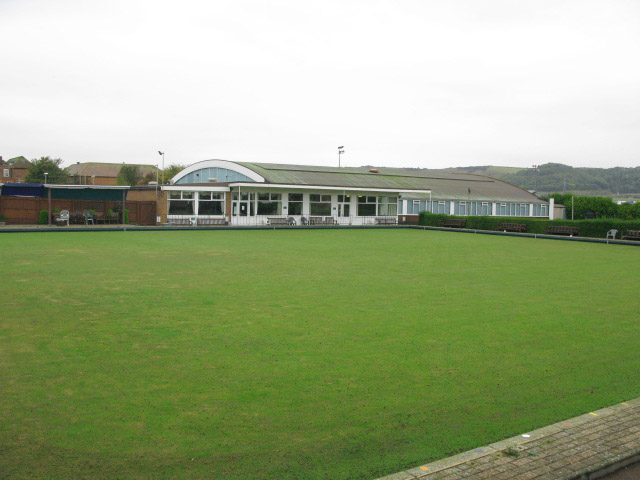
Rain is extremely common in bowls, and I’m surprised more players don’t practice for it. Wet conditions create a completely different playing surface that demands specific adaptations — Professional Bowls Association.
The Science of Wet Greens: Friction and Speed Changes
Moisture increases friction, significantly reducing the green speed and making the surface “heavy.” This fundamental change affects every aspect of play:
- Slower Greens: Wet surfaces create more resistance, dramatically reducing how far bowls travel
- Tighter Lines: Bowls tend to “stand up” and hook less on damp, slow greens, necessitating a tighter aiming line (less grass)
- Increased Weight Requirements: A more powerful, long backswing is required to get the bowl to the jack
- Surface Consistency: Rain can create patches of varying speed across the rink, adding another strategic layer
Grip and Equipment Strategies for Wet Conditions
Wet bowls are slippery, making grip wax and a reliable towel crucial for control. Players should:
- Use grip wax consistently: Apply grip-enhancing products to maintain control in wet conditions
- Keep multiple towels accessible: One for hands, one for bowls, and extras for changing conditions
- Consider cradle grip techniques: Some players switch to cradle grips when conditions become extremely wet
- Maintain bowl cleanliness: Wet dirt and debris can affect bowl performance more than in dry conditions
Weight Control and Delivery Adjustments in Rain
Mastering weight control in wet conditions requires specific techniques:
- More powerful long backswing required: The delivery must generate more momentum to overcome increased friction
- Increased weight needed throughout game: Every shot requires more power than in dry conditions
- Practice with different grips during roll-ups: Develop comfort with various grip techniques before competitive play
- Niggling tactics become more effective: On slow greens, defensive tactics that keep bowls close to the jack are often more successful
Temperature and Sun Effects on Outdoor Bowls Strategy
Temperature and sun exposure create distinct playing conditions that affect both the green surface and player performance.
Hot Days vs Cold Days: Green Speed Variations
Hot/sunny days create fast, dry greens. The reduced friction allows the bowl to glide, demanding precise weight control:
- Hot/Sunny Days: Result in fast, dry greens where bowls travel further with less effort
- Cold/Overcast Days: Greens are generally slower because they retain more moisture
- Sun/Shade Inconsistency: A rink partly in shade and partly in sun will have inconsistent speeds, as shaded areas hold moisture and run slower than sunny spots
Physical and Mental Challenges of Weather Extremes
Beyond green conditions, temperature extremes affect player performance:
- High temperatures drain stamina and concentration: Physical fatigue directly impacts decision-making and delivery consistency
- Inconsistent speeds on sun/shade rinks create strategic complexity: Players must constantly adjust to varying green speeds within a single end
- Cold weather affects ball core contraction potentially causing cracking: Extreme temperature changes can damage equipment over time
Strategic Adaptations for Temperature Variations
Developing versatile responsive weight is more important than trying to find a “perfect” line, especially in changing conditions:
- Equipment adjustments like bowl selection: Choose bowls with characteristics suited to current temperature conditions
- Positioning and timing strategies: Consider when and where to play certain shots based on temperature effects
- Mental preparation for changing conditions: Anticipate how temperature changes throughout the day will affect play
- Hydration and energy management: Physical preparation becomes as important as technical skill in extreme temperatures
Mastering weather adaptation is what separates good players from great ones. The most successful outdoor bowls players aren’t necessarily those with the best technique, but those who can read and adapt to weather conditions most effectively. Start by practicing in different weather conditions during your roll-ups, focusing on how your bowl behaves in wind, rain, and temperature variations rather than just perfecting your delivery on ideal days.
Frequently Asked Questions About Outdoor Bowls Weather Conditions
Does the weather affect bowling?
Yes, weather affects outdoor bowls. Wind changes the bowl’s line and speed, while rain makes greens slower and more unpredictable. Temperature and humidity also influence how the bowl grips the surface.
Can you play bowls in the rain?
Yes, bowls can be played in rain, but wet greens slow the game and affect grip. Players often adjust their delivery and use different grips, like the cradle grip, to maintain control in wet conditions.
How does wind affect outdoor bowls gameplay?
Wind impacts the bowl’s trajectory, causing it to drift off line. Players must adjust their aim and weight to compensate for wind strength and direction, especially on exposed greens.
How do rain and wet greens impact bowls performance?
Rain makes greens slower and heavier, reducing the bowl’s speed and altering its path. Players need to adjust weight and line, as the bowl grips more and curves less on wet surfaces.