
Lawn bowls strategy in 2026 demands blending precise technical execution with dynamic tactical adjustments based on match context, emphasizing controlled aggression, effective defensive blocking, and adaptable team management. The modern game has evolved beyond simple accuracy to encompass sophisticated decision-making about when to attack, when to defend, and how to read changing conditions throughout a match.
Key Takeaway
-
Offensive strategy focuses on building the head through consistent drawing and controlled weight to establish early control
-
Defensive tactics prioritize blocking, back bowls, and disrupting opponent’s strong positions when trailing
-
Team match management requires adaptability, reading the green, and maintaining mental focus throughout the game
-
2026 key performance focus emphasizes controlled weight over blind driving and precise positioning for competitive advantage
Offensive vs Defensive Play: When to Attack and When to Defend
Building the Head: Offensive Control Through Consistent Drawing
-
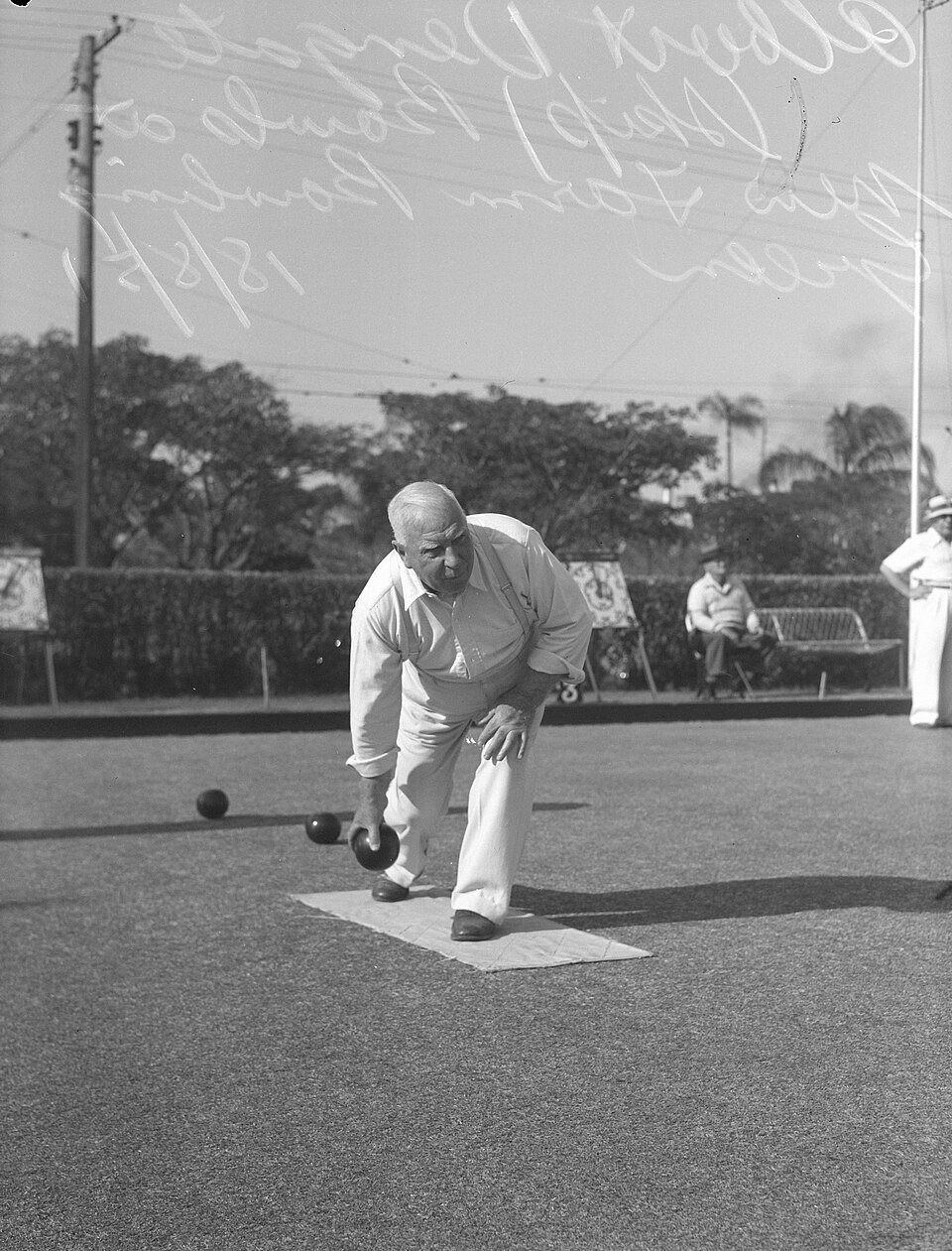
Establishing control of the ‘head’ early through consistent, accurate drawing shots to place bowls close to the jack. The offensive approach begins with the lead’s first delivery, setting the foundation for the entire end. Successful offensive players focus on creating a tight cluster of bowls around the jack, making it difficult for opponents to penetrate without significant risk.
-
Positioning bowls in the ‘keyhole’ (directly behind the jack) to force opponents into difficult shots. This tactical positioning creates multiple scoring opportunities while simultaneously blocking opponent access routes. The keyhole strategy is particularly effective when combined with controlled weight, as it allows for both defensive protection and offensive scoring potential.
-
Using controlled weight to move the jack or dislodge opponent bowls, especially by the skip to convert losing heads. The skip’s role in offensive play involves calculated aggression – knowing when to apply sufficient weight to shift the head’s momentum while maintaining enough control to keep team bowls in play. This technique is crucial for turning potential losses into wins during critical match moments.
Defensive Tactics: Blocking and Back Bowls for Protection
-
Placing ‘short’ bowls or blockers to restrict opponent access to the jack. Defensive blocking creates a physical barrier that forces opponents to either play around the block or attempt high-risk shots. This tactic is most effective when trailing in shots, as it prevents the opponent from easily consolidating their advantage while the trailing team works to build their own head.
-
Using ‘back bowls’ as a safety net to ensure favorable positions if the jack moves. Back bowls serve as insurance policies, positioned to score if the jack travels beyond the expected range. This defensive positioning becomes critical on fast greens or in windy conditions where the jack’s movement is unpredictable. Professional players often maintain at least one back bowl throughout the end.
-
Drawing a ‘saver’ shot to reduce damage when down on shots, and ‘killing the end’ as last resort. The saver shot is a defensive draw that ensures at least one point when trailing, preventing complete end losses. Killing the end – deliberately moving the jack out of bounds – is used only when facing certain heavy defeat, resetting the score to zero for both teams and providing a fresh start opportunity.
Team Tactics and Match Management: Roles and Adaptability
Lead Role: Building Consistent Heads for Team Success
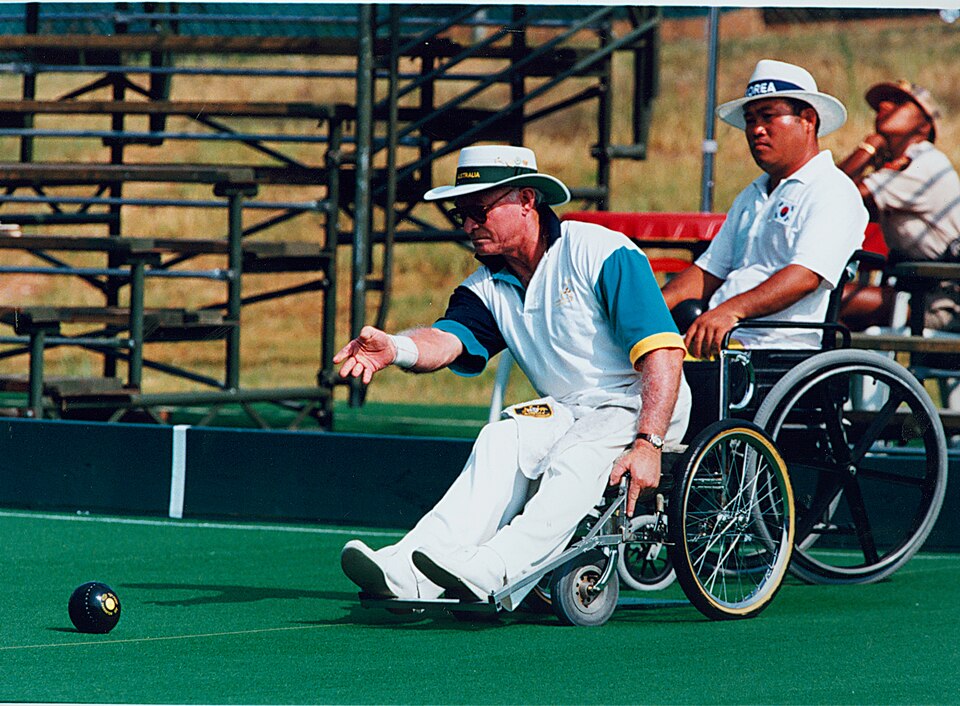
The lead position, often called “the Rock,” is the most crucial role in lawn bowls strategy. Leads should focus on building a consistent, secure head by aiming for a 1.5m circle around the jack rather than forcing close shots immediately. This establishes the foundation for team strategy. Consistent delivery of the jack to the requested length is crucial for team coordination, as the lead sets up the entire end for the rest of the team. Professional leads understand that their primary objective is not to score themselves but to create the optimal conditions for the middle and skip players to execute their roles effectively.
Adaptability and Reading the Green: Changing Mat Lengths and Conditions
-
Skips must change end lengths or mat position to counter opponent’s preference or break their rhythm. This tactical adjustment disrupts opponent’s comfort zone and forces them to adapt to new conditions. Changing mat lengths can be particularly effective against opponents who have established a consistent delivery pattern or who prefer specific green speeds.
-
Evaluate speed and wind during practice to determine best weight and line for the day. Professional teams dedicate significant practice time to understanding green conditions, testing different weight variations and observing how environmental factors affect bowl movement. This pre-match analysis provides crucial data for in-game decision-making and helps teams develop appropriate tactical approaches before competition begins.
-
Maintain focus on process over results and stay flexible to pivot from offense to defense. Successful teams understand that rigid adherence to a single strategy often leads to defeat. The ability to recognize when conditions or opponent tactics require strategic shifts is a hallmark of elite players. This mental flexibility, combined with technical execution, creates the foundation for consistent competitive success.
2026 Key Performance Focus: Controlled Weight and Precise Positioning
Controlled Weight: Removing Opposition While Keeping Your Bowls in Play
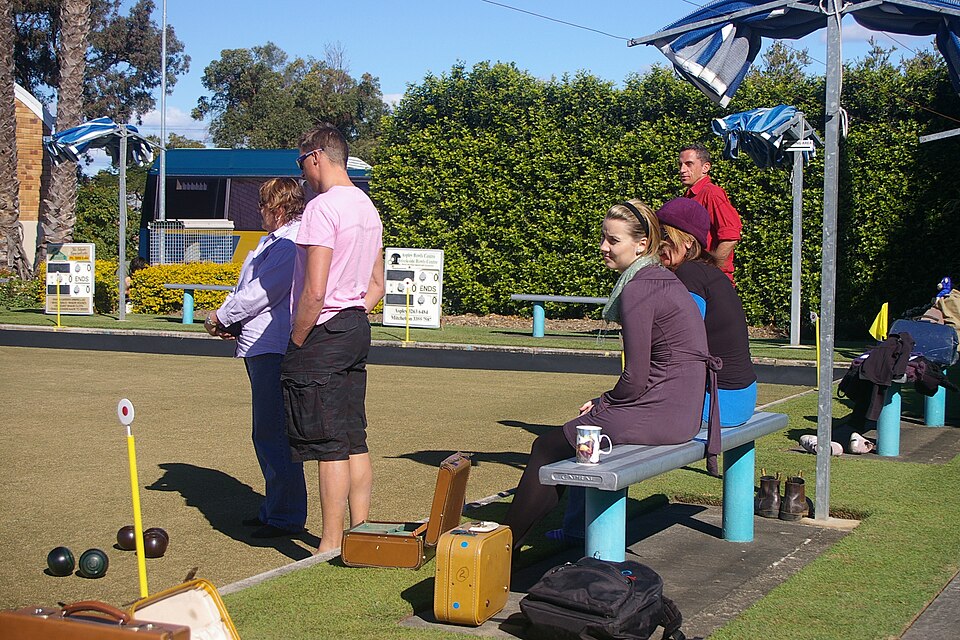
Rather than blind driving, ‘controlled hitting’ allows removal of opposition bowls while keeping your own in play. This technique provides strategic advantage by maintaining team presence on the green. Controlled weight prevents losing all bowls when attempting to disrupt opponent’s head, which is particularly important in 2026 as precision becomes more valued than raw power. The ability to execute controlled weight shots consistently separates competitive players from recreational ones. Professional players spend countless hours developing the touch and feel required for controlled weight, understanding that this skill directly correlates with match success rates.
Trailing the Jack: Moving the Target to Advantageous Positions
-
Use calculated weight to move the jack toward existing team bowls in the back. This advanced technique requires precise weight control and spatial awareness, as the player must judge both the force needed to move the jack and the potential consequences of different movement patterns. Trailing the jack creates opportunities to score multiple shots rather than single points, as it can bring the jack into closer proximity with multiple team bowls.
-
This technique is more advantageous than driving which can remove the jack disadvantageously. Driving the jack away often results in unpredictable outcomes, potentially moving the target to a position that benefits neither team. Trailing, by contrast, provides controlled manipulation of the head’s dynamics, allowing teams to create scoring opportunities while maintaining tactical advantage.
-
Trailing the jack creates opportunities to score multiple shots rather than single points. This strategic approach maximizes scoring potential by leveraging existing bowl positions rather than starting fresh with each delivery. Professional players who master trailing can consistently generate higher shot counts per end, creating the scoring pressure that often determines match outcomes.
The most surprising finding is that controlled weight and precise positioning matter more than raw power in 2026. Action step: Practice trailing the jack during your next practice session to develop this advanced technique. This skill development focus reflects the evolving nature of competitive lawn bowls, where technical finesse increasingly outweighs physical strength in determining success at elite levels.
Lawn bowls strategy requires understanding both offensive and defensive tactics, team roles, and match management. For more information about lawn bowls equipment, lawn bowls rules, lawn bowls techniques, and lawn bowls equipment, visit our comprehensive guides. Beginners can start with lawn bowls for beginners or check out lawn bowls tips from professional players. For tournament information, see lawn bowls tournaments 2026.