
Lawn bowls is a precision sport governed internationally by World Bowls with the Crystal Mark Fourth Edition as the official rulebook. Players roll biased bowls on a flat grass or synthetic green, aiming to get their bowls closest to a small white target ball called the jack. Points are awarded based on proximity, with one point for each bowl closer than the opponent’s nearest bowl. The sport is played on designated lanes called rinks, with games typically lasting 18-21 ends.
- Lawn bowls is governed by World Bowls with the Crystal Mark Fourth Edition as the official rulebook
- Players must deliver bowls within 30 seconds when requested by skip/third/singles player
- Points are awarded based on proximity to the jack, with one point for each bowl closer than opponent’s nearest bowl
- The sport is played on a flat grass or synthetic green in designated lanes called ‘rinks’
- Jack distance is minimum 21-23 meters depending on local regulations
Official Lawn Bowls Rules for 2026
Crystal Mark Fourth Edition: The Current Rulebook
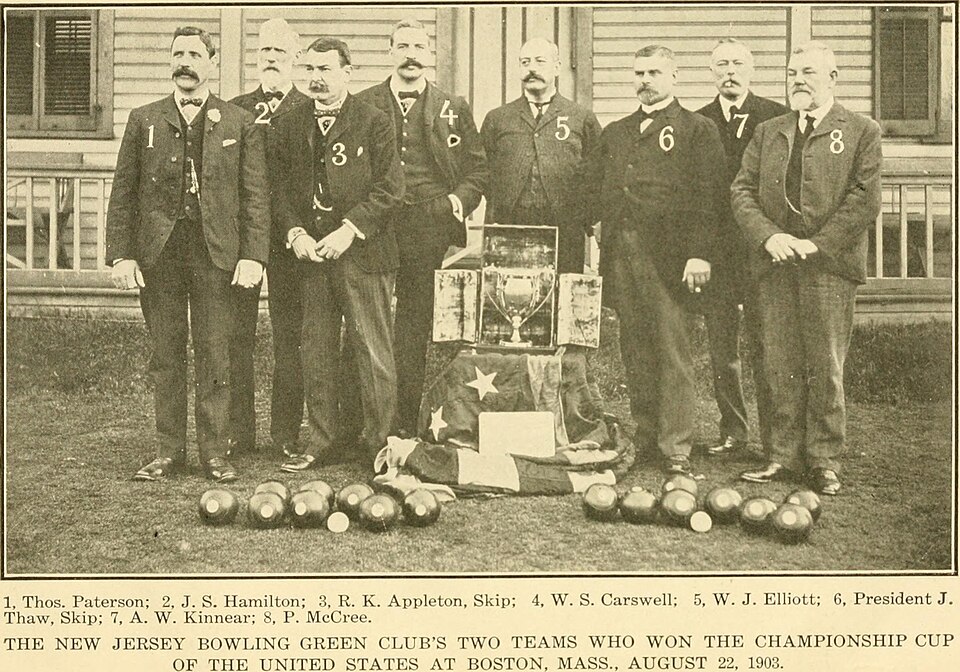
The Crystal Mark Fourth Edition is the official rulebook for lawn bowls, adopted by World Bowls on 21 June 2020. This comprehensive document governs all aspects of the sport internationally, from basic gameplay to complex dispute resolution. World Bowls, the international governing body, maintains and updates these regulations to ensure consistency across all levels of play. The rulebook covers everything from equipment specifications to player conduct, making it the definitive source for official lawn bowls rules. All national associations and clubs are expected to follow these regulations, with local variations only permitted where specifically allowed by the governing documents.
The rulebook’s adoption in 2020 came after extensive consultation with players, officials, and national associations. It replaced the previous Crystal Mark Third Edition and introduced several important updates. These changes addressed modern playing conditions, technological advancements in equipment, and evolving tactical approaches to the game. The Fourth Edition maintains the sport’s traditional values while ensuring it remains relevant and accessible to new generations of players. National associations like Bowls England, Bowls Australia, and Bowls USA have all aligned their domestic regulations with this international standard.
World Bowls continues to monitor the effectiveness of these rules and may introduce amendments through their regular review process. Any changes are communicated through official channels and typically take effect on predetermined dates to allow clubs and players adequate preparation time. The organization also provides training materials and certification programs for officials to ensure consistent rule interpretation across different countries and competitions. This centralized governance structure helps maintain the sport’s integrity and ensures fair play regardless of where games are played.
30-Second Delivery Rule Explained
- Players must deliver their bowl within 30 seconds of their turn starting
- The timing begins when the previous bowl has come to rest and the player is in position on the mat
- This rule applies when requested by the skip, third, or singles player
- Players can take longer if not specifically asked to speed up by their team leader
- The rule helps maintain game pace and prevents unnecessary delays
- Exceptions exist for complex tactical situations or when measuring is required
The 30-second rule is one of the most misunderstood aspects of lawn bowls. Many players believe they must always deliver within this timeframe, but the rule specifically states it only applies when requested by team leadership. This means players can take their time for strategic thinking unless their skip or third specifically asks them to hurry. The rule was introduced to prevent games from becoming excessively long, particularly in tournament settings where multiple games need to be completed in a day.
Understanding when the 30-second clock starts is crucial. It begins when the previous bowl has completely stopped moving and the player is standing on the mat ready to deliver. If a player is still walking to the mat when the previous bowl stops, the clock doesn’t start until they’re in position. This prevents players from being rushed unfairly. Additionally, if a bowl is wobbling or appears unstable, players can request that it be stabilized before beginning their delivery, which pauses the timing.
Exceptions to the 30-second rule include situations where complex tactical decisions are required, such as when multiple bowls are close to the jack or when measuring is necessary. Players can also take additional time if weather conditions affect play, such as strong winds that require adjusted delivery techniques. Umpires have discretion to allow extra time in these circumstances to ensure fair play. The rule’s primary purpose is to maintain reasonable game pace while still allowing players adequate time for thoughtful play.
Scoring and Game Format in Lawn Bowls
How Points Are Awarded in Bowls
- One point is awarded for each bowl closer to the jack than the opponent’s nearest bowl
- Toucher bowls that strike the jack are marked and remain in play even if they go into the ditch
- A bowl that touches the jack and then goes into the ditch is still considered a toucher and remains live
- If the jack is knocked off the green, the end is declared dead and replayed
- Games typically consist of 18-21 ends, with the team scoring the most points winning
- In singles matches, players may play to a specific number of points rather than ends
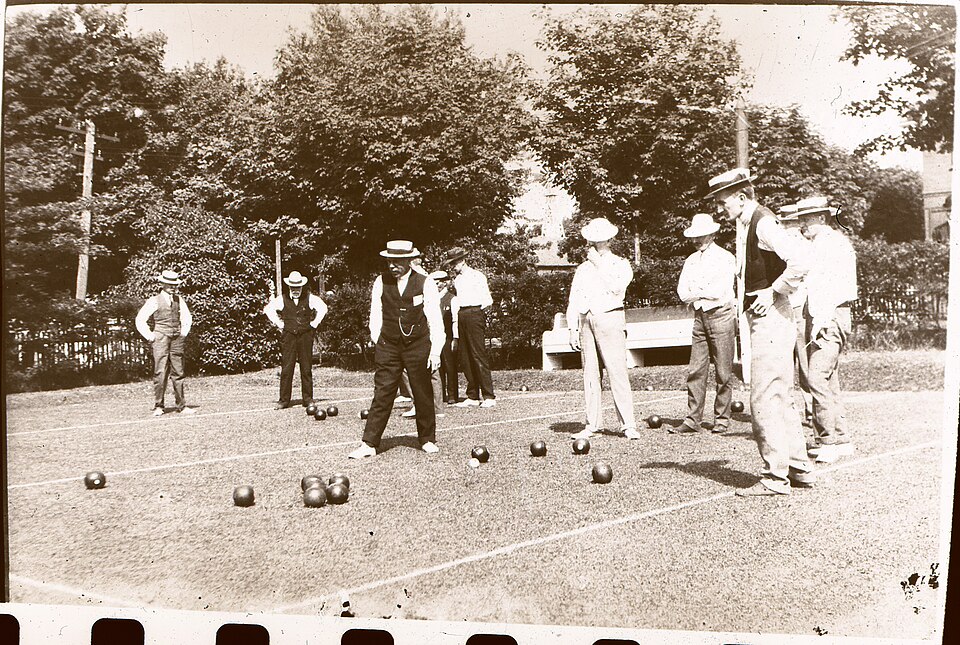
The scoring system in lawn bowls is based on proximity to the jack, creating a unique competitive dynamic. Unlike many sports where points are scored through direct confrontation, bowls rewards precision and strategic placement. The concept of “holding shot” is central to the game – this refers to having the bowl closest to the jack. Players must constantly assess whether to defend their position or try to improve it by getting additional bowls closer to the target.
Toucher bowls add an interesting strategic element to scoring. When a bowl touches the jack during its journey, it’s marked with chalk or a special marker. These touchers remain in play even if they subsequently go into the ditch, which can dramatically affect end outcomes. A well-executed drive that touches the jack and then goes into the ditch might still score points if other bowls are closer. This rule encourages aggressive play while maintaining fairness, as players know that touching the jack provides some protection for their bowl.
The dead end rule ensures fairness when the jack is displaced. If the jack is knocked completely off the green, the end is declared dead and replayed with no points awarded to either side. This prevents teams from being unfairly penalized for shots that go out of bounds. Some variations of the game use a “back jack” rule where the jack is placed back on the centerline at a predetermined distance if it goes off the side of the green, allowing the end to continue. These variations are typically used in social or practice games rather than formal competitions.
Rink Layout and Equipment Requirements
| Specification | Requirement |
|---|---|
| Green Size | Generally 30-40 meters square |
| Jack Distance | Minimum 21-23 meters depending on local regulations |
| Mat Placement | At least 2 meters from the rear ditch |
| Rink Width | Typically 4.5-5.5 meters wide |
| Bowl Size | Determined by player’s hand size, usually 116-140mm diameter |
The playing surface for lawn bowls is a carefully maintained area that significantly impacts gameplay. Traditional grass greens require extensive maintenance including regular mowing, watering, and rolling to ensure consistent playing conditions. Synthetic greens offer an alternative that requires less maintenance while providing more predictable playing characteristics. The choice between grass and synthetic surfaces often depends on climate, available resources, and player preferences.
Rink dimensions are standardized to ensure fair competition across different venues. The width of 4.5-5.5 meters provides adequate space for bowls to curve while preventing interference between adjacent rinks. This width allows for the characteristic bias of bowls to be fully utilized without risking collisions with neighboring games. The length of the green, typically 30-40 meters, provides sufficient distance for strategic play while remaining manageable for players of all ages and abilities.
Equipment specifications are strictly regulated to maintain competitive balance. Bowls must meet precise size and weight requirements, with the bias built into their design creating the curved path that makes the game challenging and interesting. The jack, typically white or yellow for visibility, must be a specific size and weight to ensure consistent performance. Mats used for delivery have specific dimensions and must be placed according to regulations to ensure all players deliver from the same position. These equipment standards help ensure that success in the game depends on skill rather than equipment advantages. For those looking to purchase their first set or upgrade their equipment, the best lawn bowls equipment 2026: complete buyer’s guide provides comprehensive recommendations.
Player Positions and Game Variations
Lead, Second, Vice Skip, and Skip Roles
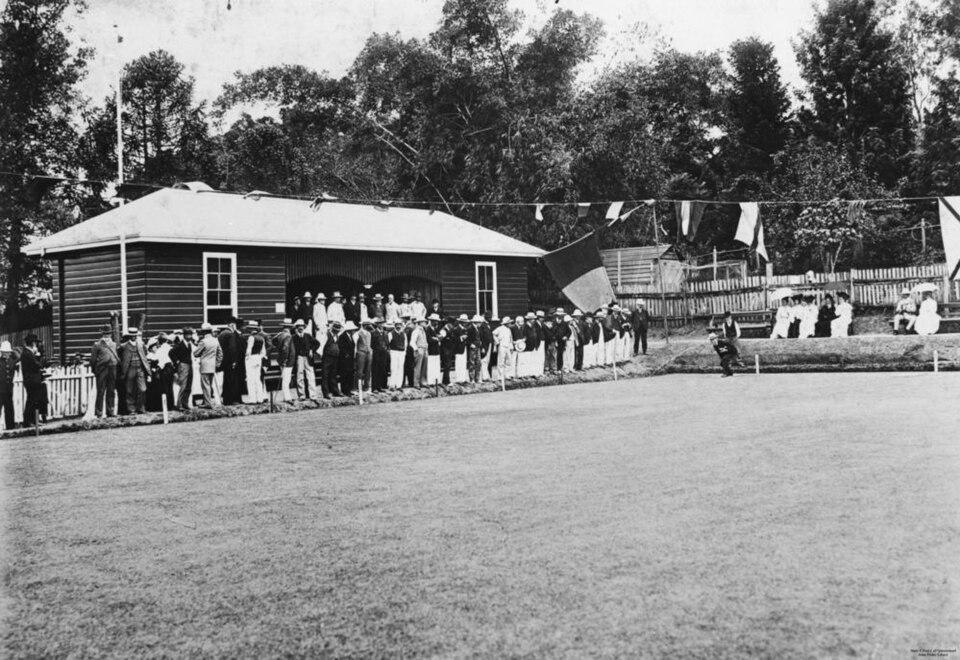
Each player in a lawn bowls team has specific responsibilities that contribute to overall success. The Lead is considered the most important position, responsible for delivering the jack to the requested length and getting bowls into the head early. The Second supports the Lead and helps build the head while the Skip directs play from the other end. The Vice Skip takes over head management when the Skip is delivering their bowls, making tactical decisions and measurements. The Skip is the team captain, making final strategic decisions, requesting delivery times, and directing all play. Each position requires different skills, with Leads needing accuracy and Skips requiring strong tactical awareness.
The Lead’s role is crucial because they set the foundation for each end. A skilled Lead can deliver the jack consistently to the requested length, whether that’s short, medium, or long. They must also be able to place their bowls strategically to create opportunities for their teammates. Many successful teams prioritize finding an excellent Lead, as this position can significantly influence the team’s overall performance. The Lead must remain focused throughout the game, as their deliveries affect every subsequent shot.
The Skip’s responsibilities extend beyond just directing play. They must read the green conditions, understand their opponents’ strategies, and make quick tactical decisions. A good Skip communicates clearly with their team, providing specific instructions about length, line, and shot selection. They also need to maintain composure under pressure, as their decisions can determine the outcome of close games. The Skip’s ability to request delivery times using the 30-second rule is a powerful tactical tool, allowing them to control the game’s pace when necessary. Understanding these strategic elements is crucial for competitive play, and winning lawn bowls strategy: tactical approaches for 2026 provides advanced insights into game planning.
Bowls per Player and Game Formats
- Players typically use 2-4 bowls depending on the game format
- Singles matches: Each player uses 4 bowls
- Triples: Lead and Second use 3 bowls each, Skip uses 2 bowls
- Fours: Each player uses 2 bowls
- Games consist of a set number of ends, usually 18-21 in standard matches
- Variations include sets play, where matches are decided over multiple sets
- Short formats exist for social play, often with fewer ends or points-based scoring
The number of bowls each player uses varies significantly depending on the game format, affecting both strategy and physical demands. In singles matches, players use all four bowls, requiring excellent stamina and concentration throughout the game. The full set allows for more tactical options but also means players must manage their energy carefully over potentially long matches. Singles play emphasizes individual skill and mental toughness, as players cannot rely on teammates for support.
Triples format, with three players per side, creates a balanced team dynamic. The Lead and Second each use three bowls, while the Skip uses two. This distribution allows for specialized roles while maintaining team cohesion. The Skip’s reduced bowl count reflects their primary role in directing play rather than building the head. Triples games often move faster than fours matches while still providing the team interaction that many players enjoy.
Fours format, the most common team composition in formal competitions, features four players each using two bowls. This format emphasizes teamwork and specialized roles, as each player’s contribution is limited but crucial. The reduced number of bowls per player means that accuracy becomes even more important, as there are fewer opportunities to recover from poor deliveries. Fours matches typically last longer than other formats, testing players’ endurance and concentration over extended periods.
The most surprising aspect of lawn bowls rules is how much strategy is built into what appears to be a simple game. The 30-second delivery rule, while seemingly strict, actually enhances the tactical depth by forcing players to think quickly under pressure. Many beginners are shocked to learn that a bowl touching the jack can remain in play even after going into the ditch, completely changing end outcomes. The sport’s emphasis on etiquette and sportsmanship, combined with these technical rules, creates a unique competitive environment where mental toughness is as important as physical skill. To get started with lawn bowls, visit your local club and ask about beginner sessions – most clubs welcome new players and provide all necessary equipment for your first games. For those completely new to the sport, lawn bowls for beginners: getting started in 2026 offers a comprehensive introduction.
Frequently Asked Questions About Lawn Bowls Rules
What is the 30 second rule in lawn bowls?
The 30-second rule requires a player to deliver their bowl within 30 seconds of their turn. This ensures the game maintains a steady pace and prevents unnecessary delays during play.
What is the most important skill in lawn bowls?
Mastering weight control (or 'pace') is the most important skill in lawn bowls. It's the ability to deliver a bowl with the exact speed required for it to stop precisely where you want it, which is essential for accurate shot placement.
What is the most important position in lawn bowls?
The Lead is considered the most important position in a team. A great Lead can deliver the Jack to the desired distance and set up the head for the rest of the team, making their role crucial for team success.