
The 30-second delivery rule is the foundation of modern lawn bowls, but 2026 techniques have evolved to include advanced bias control, specialized drills, and mental routines that separate elite players from casual bowlers.
- Perfect your delivery with heel-toe footwork and pendulum swing for consistent weight control
- Control bias by aiming at the 3/5ths point and adjusting for green speed and wind conditions
- Master shot selection: draw for accuracy, yard-on for positioning, blocker for defense, drive for disruption
- Follow the 30-second rule and use mental routines (3 C’s) for competitive advantage
- Practice with the 12-drill pack to develop elite-level consistency and confidence
What is the 30-Second Delivery Rule in Lawn Bowls?
Understanding the 30-Second Rule and Its Impact on Modern Play
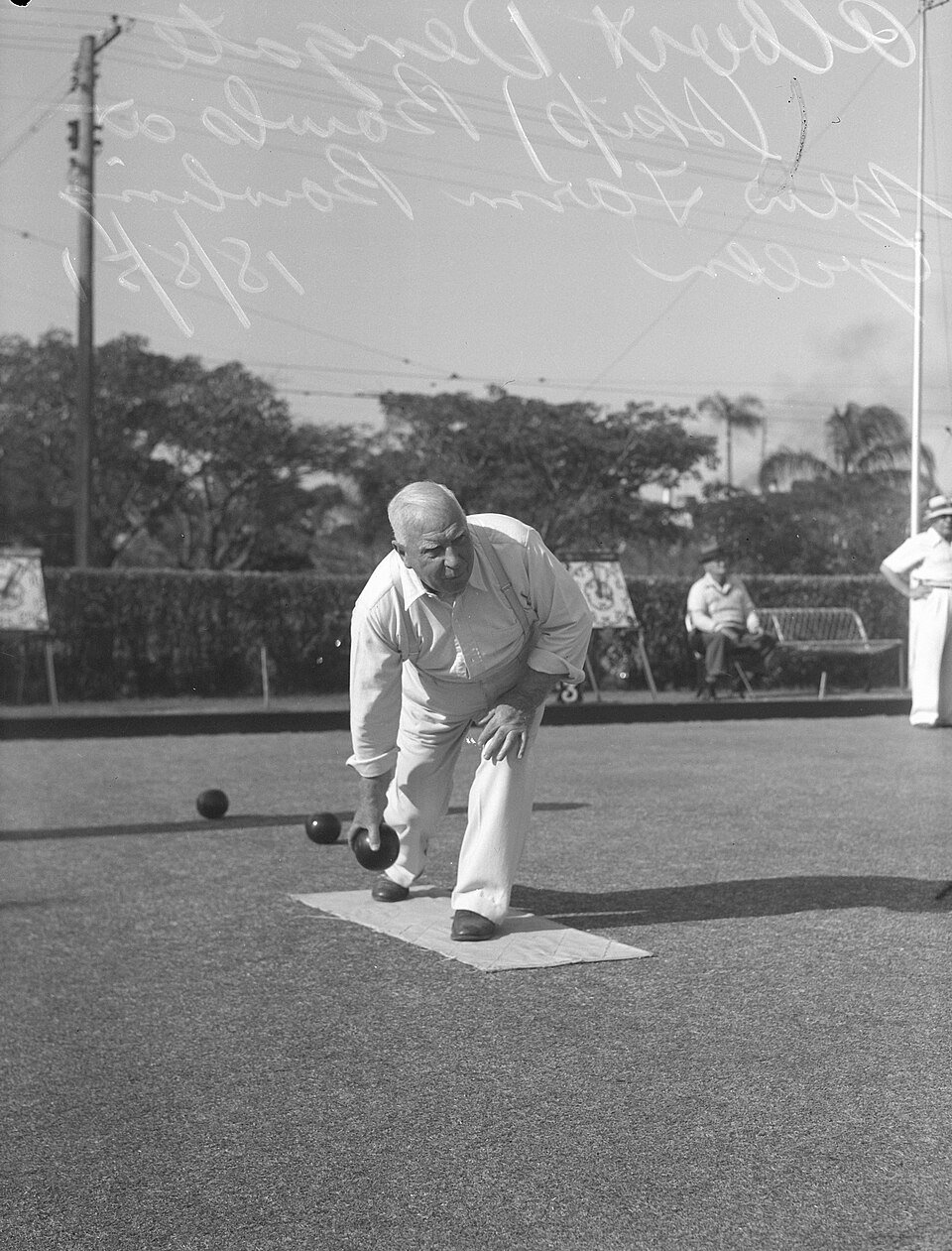
The 30-second delivery rule requires players to deliver their bowl within 30 seconds of the previous bowl coming to rest. This timing standard, established by World Bowls in 2026, ensures consistent game flow and prevents unnecessary delays during competitive play. The rule forces players to develop efficient delivery routines, as hesitation or overthinking can result in penalties. When a player is in position on the mat and the previous bowl has stopped, the 30-second countdown begins. This pressure creates a rhythm that elite players use to their advantage, maintaining focus while executing precise techniques. The rule has become fundamental to modern lawn bowls strategy, as it demands both technical skill and mental discipline under time constraints.
Mastering the 2026 Delivery Technique
Perfecting Your Stance and Grip for Consistent Delivery
A stable stance forms the foundation of consistent delivery. Position your feet shoulder-width apart with your front foot aligned toward the target. Keep your knees slightly bent and your weight balanced between both feet. The grip should be relaxed but firm, with your fingers positioned to control the bowl’s bias. Hold the bowl with the larger logo side facing away from your body, as this indicates the bias direction. Your thumb should rest lightly on the side, providing stability without tension. The pendulum swing motion begins from your shoulder, keeping your arm straight and your elbow locked. Release the bowl at a low point, just above the ground, to maintain control and accuracy. Follow through completely, extending your arm toward the target as the bowl leaves your hand. This full follow-through ensures consistent weight and direction.
Essential Delivery Drills for 2026: Line & Length Markers and Shadow Delivery
Line and length marker drills develop precision in both direction and weight control. Set up markers at 10, 15, and 20-meter intervals on your practice green. Deliver bowls to each marker, focusing on hitting the exact distance consistently. Track your success rate and adjust your delivery based on results. Shadow delivery practice involves going through the complete delivery motion without a bowl. This drill builds muscle memory for the pendulum swing, release point, and follow-through. Perform 20-30 shadow deliveries before each practice session to reinforce proper technique. The Bowls Academy’s 2026 training program emphasizes these foundational drills as essential for developing elite-level consistency. Both drills should be practiced for at least 15 minutes daily to see measurable improvement in delivery accuracy.
Advanced Bias Control and Shot Selection Strategies

Understanding Bowl Bias: The 3/5ths Point and Green Assessment
Bowl bias creates a curved path that players must master for accurate shot placement. The bowl curves toward the smaller logo side, which is indicated by a smaller circle on the bowl’s surface. To compensate for this curve, aim at the 3/5ths point of the green’s length. This means if the jack is 20 meters away, aim at the 12-meter mark, allowing the bowl’s natural curve to bring it to the target. Green speed significantly affects bias behavior – on fast greens, the curve is more pronounced, requiring you to aim wider than on slower surfaces. Wind conditions also impact bias, with crosswinds exaggerating the curve in the direction of the wind. Before each delivery, check your grip to ensure the bowl is oriented correctly, as delivering with the wrong bias orientation is a common mistake even among experienced players. The 3/5ths aiming point has become the standard reference for elite players in 2026 competitions.
Mastering Shot Selection: When to Use Draw, Yard-On, Blocker, Drive, and Niggler
Shot selection determines your strategic success in lawn bowls. The draw shot is your most important weapon, aiming to place the bowl closest to the jack with minimal disturbance to existing bowls. Use this when precision is critical and the head is relatively open. The yard-on shot involves delivering with slightly more weight to nudge an opponent’s bowl away from the jack while maintaining your position. This tactical shot requires precise weight control to avoid over-shooting. The blocker shot places a defensive bowl in front of the jack, creating obstacles for your opponent’s draw attempts. Use this when protecting a lead or disrupting your opponent’s preferred line. The drive or fire shot delivers maximum weight to scatter the head, useful when you need dramatic change or when the head is heavily guarded. The niggler shot attacks the head aggressively, often used to move multiple bowls. When facing a niggler opponent, counter with long ends that make their aggressive tactics less effective. The 30-second rule becomes crucial during shot selection, as deliberate play requires efficient decision-making within the time limit.
2026 Elite Training Methods and Mental Routines
Heel-Toe Footwork and Weight Control for 2026
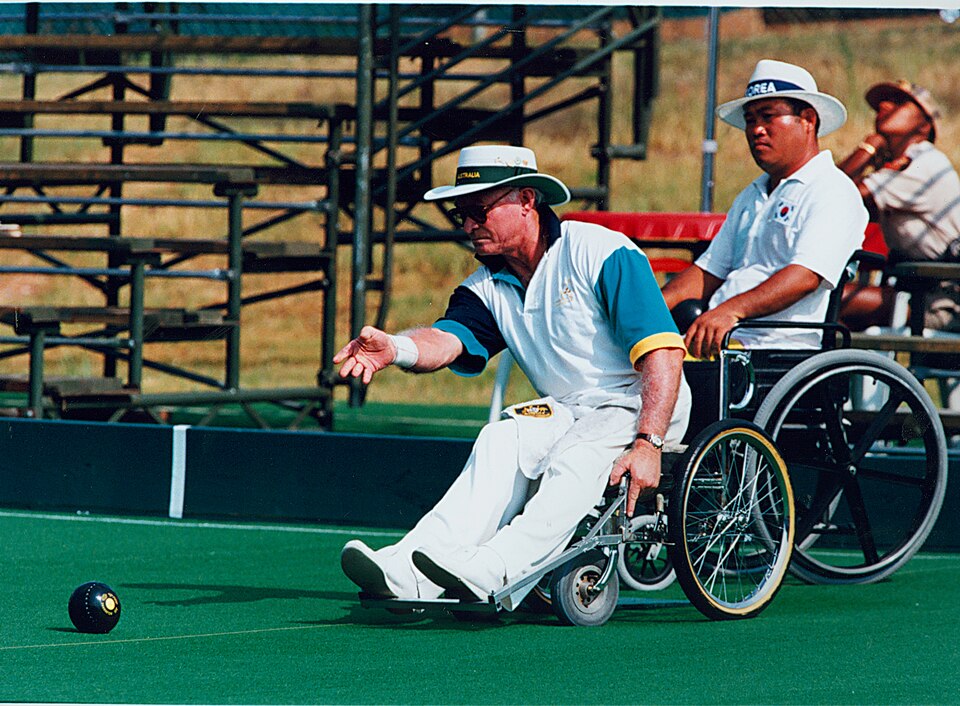
The heel-toe footwork method revolutionizes weight control in modern lawn bowls. This technique involves stepping forward with your heel touching the ground first, followed by your toe, creating a smooth weight transfer through the delivery. Unlike traditional methods that emphasize a sliding step, heel-toe footwork provides more consistent weight distribution and better balance throughout the motion. The technique helps control the bowl’s speed by creating a natural rhythm that translates to consistent delivery weight. Elite players in 2026 competitions have adopted this method because it reduces variability in delivery and improves accuracy under pressure. Practice heel-toe footwork by walking the delivery line without a bowl, focusing on the heel-to-toe transition. This drill should be performed daily for 10 minutes to develop the muscle memory required for consistent weight control.
The 12-Drill Pack and Mental Routines for Competitive Success
The TBA Purposeful Practice Targets Drill Pack contains 12 structured drills designed for elite skill development. These drills progress from basic delivery consistency to advanced shot selection under pressure. The pack includes specific exercises for weight control, bias management, and strategic thinking. Mental routines complement physical training through the 3 C’s framework: Concentration, Consistency, and Confidence. Concentration involves focusing on your pre-shot routine and blocking out distractions. Consistency means executing the same delivery process every time, regardless of pressure. Confidence comes from trusting your training and technique during competition. Technology now aids green assessment through mobile apps that measure green speed and suggest optimal lines based on conditions. Elite players spend approximately 70% of their practice time on mental preparation rather than physical delivery, recognizing that competitive success depends as much on mental strength as technical skill.
The most counter-intuitive finding in elite lawn bowls is that top players spend 70% of practice time on mental routines rather than physical delivery. This focus on mental preparation separates champions from competitors. Start with the heel-toe drill for 10 minutes daily, then progress to the 12-drill pack over 4 weeks, tracking your consistency improvements weekly. This systematic approach to training will develop the technical skills and mental toughness required for 2026 competition success.