
Lawn bowls bias is the intentional asymmetry that makes bowls curve instead of rolling straight. This guide explains how bias works and how to control it for better accuracy.
Key Takeaway
-
Bias is built-in asymmetry, not weights – modern bowls use shape to create curve
-
Curve starts 2/3 down the green as speed drops and friction takes over
-
Fast greens need minimum bias bowls for straighter paths
-
Control bias by adjusting speed, grip, and aiming at the ‘shoulder’ point
What Makes Lawn Bowls Curve Instead of Rolling Straight
The Physics of Bowl Bias: Shape Creates Curve Without Weights
Lawn bowls bias works through shape asymmetry, not embedded weights. Modern bowls achieve their curved path by having one side slightly flattened while the other protrudes outward. This creates an off-center center of gravity that shifts the bowl’s balance point. As the bowl rolls down the green, this weight imbalance causes it to naturally curve toward the heavier (smaller ring) side. The shape-based bias system replaced older methods where weights were actually inserted into one side of the bowl, which is no longer permitted under current rules. This design allows players to control the curve by understanding how the bowl’s geometry affects its path.
The physics behind bowl bias involves several key principles. When a bowl is manufactured, one side is deliberately made slightly larger than the other, creating what’s called the “bias side.” This asymmetry shifts the center of gravity away from the geometric center of the bowl. As the bowl rolls, this off-center weight creates a torque force that makes the bowl want to turn toward the lighter side. The degree of curve depends on how pronounced the shape difference is – more extreme asymmetry creates more dramatic curves. Professional players can often identify a bowl’s bias side just by feeling its shape with their fingers, as the smaller ring side will feel slightly recessed compared to the larger ring side.
When and Why the Curve Starts: Speed and Friction Effects
-
Initial straight path: When you first deliver the bowl, it travels straight because high speed overcomes the bias effect. The kinetic energy from your delivery masks the subtle torque created by the off-center weight
-
Speed reduction: As the bowl slows down during its journey, friction between the bowl and green surface becomes more influential. This is when the bias effect begins to dominate over the initial momentum
-
Torque takes over: The off-center weight creates torque that causes the bowl to start turning toward the bias side. This turning force becomes stronger as the bowl’s speed decreases
-
Final 2/3 path: The pronounced curve typically develops in the last two-thirds of the bowl’s journey down the green. Research shows that approximately 60-70% of the total curve occurs during this final phase
-
Friction effects: Damp or slow greens increase the curve width, while fast/dry greens narrow it. The coefficient of friction between the bowl and surface directly affects how quickly the curve develops
-
Surface conditions: Different green surfaces create varying levels of friction. Synthetic greens typically produce more consistent curves than natural grass, where moisture and wear patterns can create unpredictable paths
How to Control Bowl Bias for Different Shots
Grip, Release, and Swing Techniques for Bias Control
-
Grip with bias inside curve: Hold the bowl so the bias side faces the direction you want it to curve toward. For right-handed players, this means the smaller ring faces left for backhand shots and right for forehand shots
-
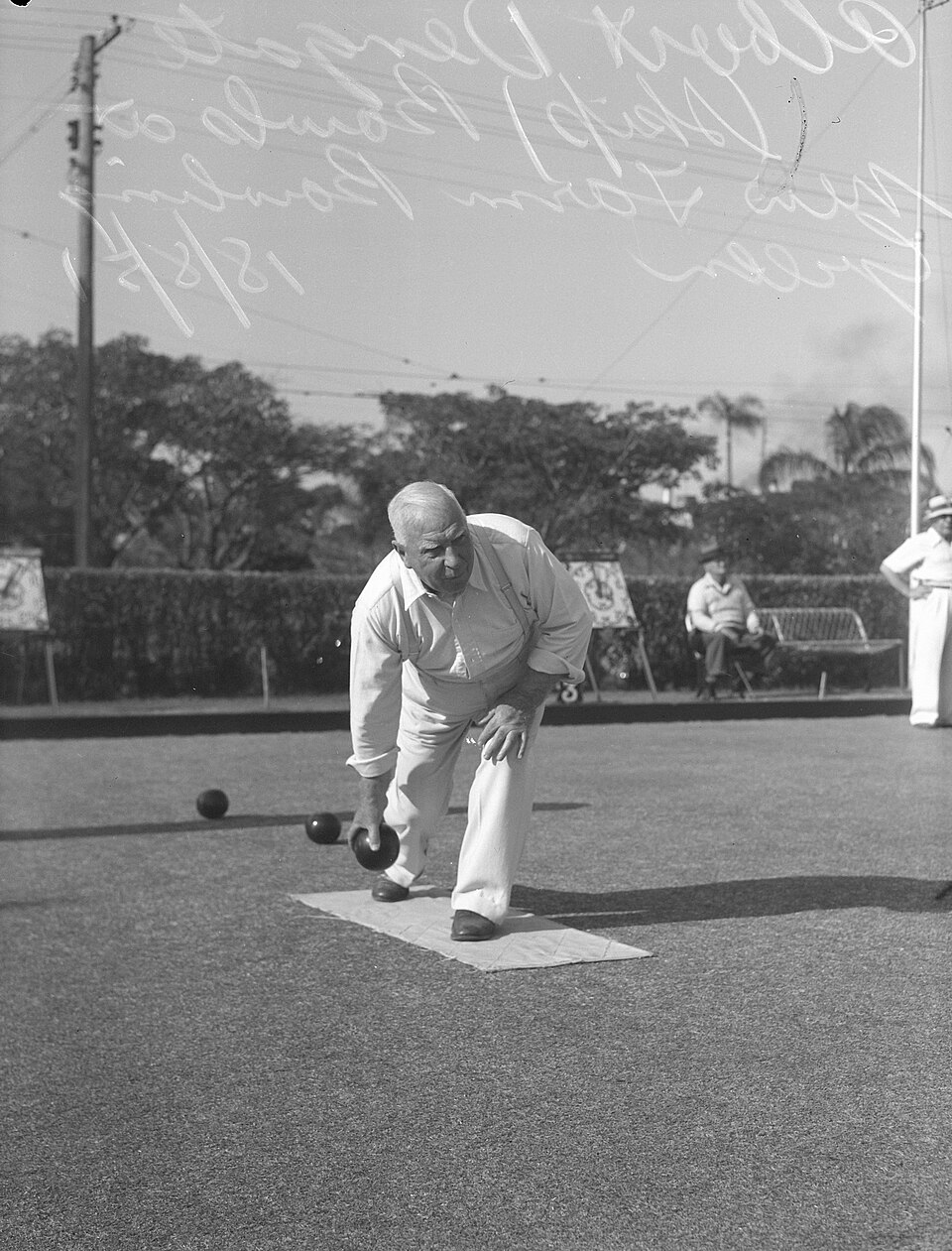
Low release point: Release the bowl close to the ground to maintain control and reduce wobble. A high release can cause the bowl to bounce and lose its intended line
-
Pendulum swing: Use a smooth, consistent pendulum motion to ensure straight initial delivery. The backswing should be controlled and the forward swing should accelerate through the release point
-
Aim at the ‘shoulder’: Target the point where the bowl will start its widest curve, typically around 3/5 to 2/3 down the green. This aiming point varies based on green speed and desired final position
-
Consistent delivery: Maintain the same delivery technique for each shot to build muscle memory. Professional players practice their delivery until it becomes automatic
-
Body alignment: Position your feet, hips, and shoulders parallel to your intended target line. Misalignment can cause the bowl to start offline before bias even takes effect
-
Follow through: Complete your delivery with a full follow-through toward your target. Stopping short can reduce power and accuracy
Speed Control: Slow for Maximum Curve, Fast for Minimum Curve
Draw shots versus drive shots demonstrate how speed affects bias control. Slow, gentle deliveries (draw shots) allow maximum curve as the bowl spends more time on the green where friction can act on it. These shots are ideal for getting close to the jack when you need to curve around other bowls. Fast, powerful deliveries (drive shots) minimize the curve effect because high speed reduces the time friction has to act on the bowl. These straighter paths are better for knocking opponent bowls out of position. Green speed also matters – fast greens (>14 seconds pace) require minimum bias bowls for straighter paths, while slower greens allow more pronounced curves. For advanced techniques on controlling these shots, see our guide on Mastering Lawn Bowls Techniques: Advanced.
The relationship between speed and curve is exponential rather than linear. A bowl delivered at half the speed of another will typically curve 3-4 times more dramatically. This is why professional players spend hours practicing different delivery speeds to master various shot types. The “weight” of a shot – how hard it’s delivered – directly correlates with how much the bias will affect the final path. Understanding this relationship allows players to intentionally choose between maximum curve for delicate positioning shots or minimum curve for power shots that need to travel straight.
Green speed, measured in seconds for a bowl to travel a standard distance, significantly impacts bias control. A green with a 10-second pace is considered fast, while 18+ seconds indicates a very slow green. Fast greens reduce the time available for bias to create curve, requiring players to use more extreme aiming angles or minimum bias bowls. Slow greens magnify the curve effect, sometimes making it difficult to predict exact paths. Professional players often carry multiple sets of bowls with different bias ratings to adapt to varying green conditions throughout a tournament.
Choosing the Right Bowl Bias for Your Playing Conditions
Minimum Bias Bowls for Fast Greens: When Straighter is Better
Fast greens, typically those with a pace over 14 seconds, favor minimum bias bowls for straighter paths. These greens have less friction and allow bowls to travel faster, which means the bias effect is reduced during the bowl’s journey. Minimum bias bowls are designed to provide just enough curve for strategic play while maintaining a relatively straight trajectory. This is particularly useful on fast, dry surfaces where you want more predictable shot paths. Professional players often choose minimum bias bowls for competitive play on well-maintained greens where speed and consistency are high. The straighter path also reduces the margin for error on fast surfaces where small deviations become more pronounced. When selecting equipment, consider our Best Lawn Bowls Equipment 2026: guide for recommendations.
Minimum bias bowls typically feature a less pronounced shape asymmetry compared to standard or maximum bias bowls. The difference in ring sizes might be only 2-3mm instead of 5-7mm on more curved models. This subtle difference significantly impacts shot behavior on fast greens. When green speeds exceed 16 seconds, even minimum bias bowls can produce unwanted curves, leading some players to use specialized “straight” bowls that minimize bias effects almost entirely. These ultra-straight bowls are particularly popular in windy conditions or on very fast synthetic surfaces where predictability is crucial.
The choice of bowl bias also affects how players approach different game situations. On fast greens with minimum bias bowls, players might focus more on weight control and less on line adjustment. The reduced curve means shots are more likely to hold their initial line, making it easier to build strategies around predictable paths. However, this also means there’s less margin for error when trying to curve around blocking bowls, requiring more precise initial alignment and speed control. Developing effective strategies for different conditions is covered in our Winning Lawn Bowls Strategy: Tactical approaches guide.
Adjusting for Forehand vs Backhand and Wind Conditions
-
Forehand delivery: The bowl curves from right to left for right-handed players (opposite for left-handed). This is the most common delivery side and typically produces a smoother, more predictable curve
-
Backhand delivery: The bowl curves from left to right for right-handed players (opposite for left-handed). Some players find backhand shots more challenging due to the different body mechanics required
-
Wind adjustments: Headwinds can reduce curve effect while tailwinds may increase it. Crosswinds require significant aiming adjustments – a 10mph crosswind might require aiming 3-4 feet offline
-
Crosswinds: Strong crosswinds may require aiming further offline to compensate. Professional players often use heavier bowls in windy conditions to maintain stability
-
Green reading: Different sections of the same green may have varying speeds affecting curve. Sloped areas, worn patches, and moisture variations all impact how bias affects the bowl’s path
-
Weather impact: Temperature affects green speed – cooler conditions typically slow greens while warm, dry conditions speed them up. This temperature effect compounds with bias control challenges
-
Humidity effects: High humidity can increase green moisture, slowing surfaces and increasing curve width. Low humidity often produces faster, more predictable conditions
The most surprising finding is that bias is purely shape-based, not weight-based. Start by practicing slow draw shots to feel how bias creates curve. Understanding this fundamental principle will improve your accuracy and help you choose the right bowl for different playing conditions. For more practical advice, check out our collection of lawn bowls tips from professional players.