
Lawn bowls provides seniors with a perfect low-impact sport that delivers measurable improvements in cardiovascular health, mobility, and cognitive function while building meaningful social connections. Research from Better Health Channel confirms this gentle game offers significant health benefits without the injury risks associated with high-impact activities, making it ideal for older adults seeking sustainable physical activity.
Key takeaway
- Lawn bowls provides low-impact cardio, improved balance, and cognitive stimulation for seniors
- Upright delivery techniques and adaptive equipment make the sport accessible for those with mobility limitations
- Social interaction and structured play reduce isolation while building community connections
What Health Benefits Does Lawn Bowls Offer Seniors?
Cardiovascular Health and Mobility Improvements
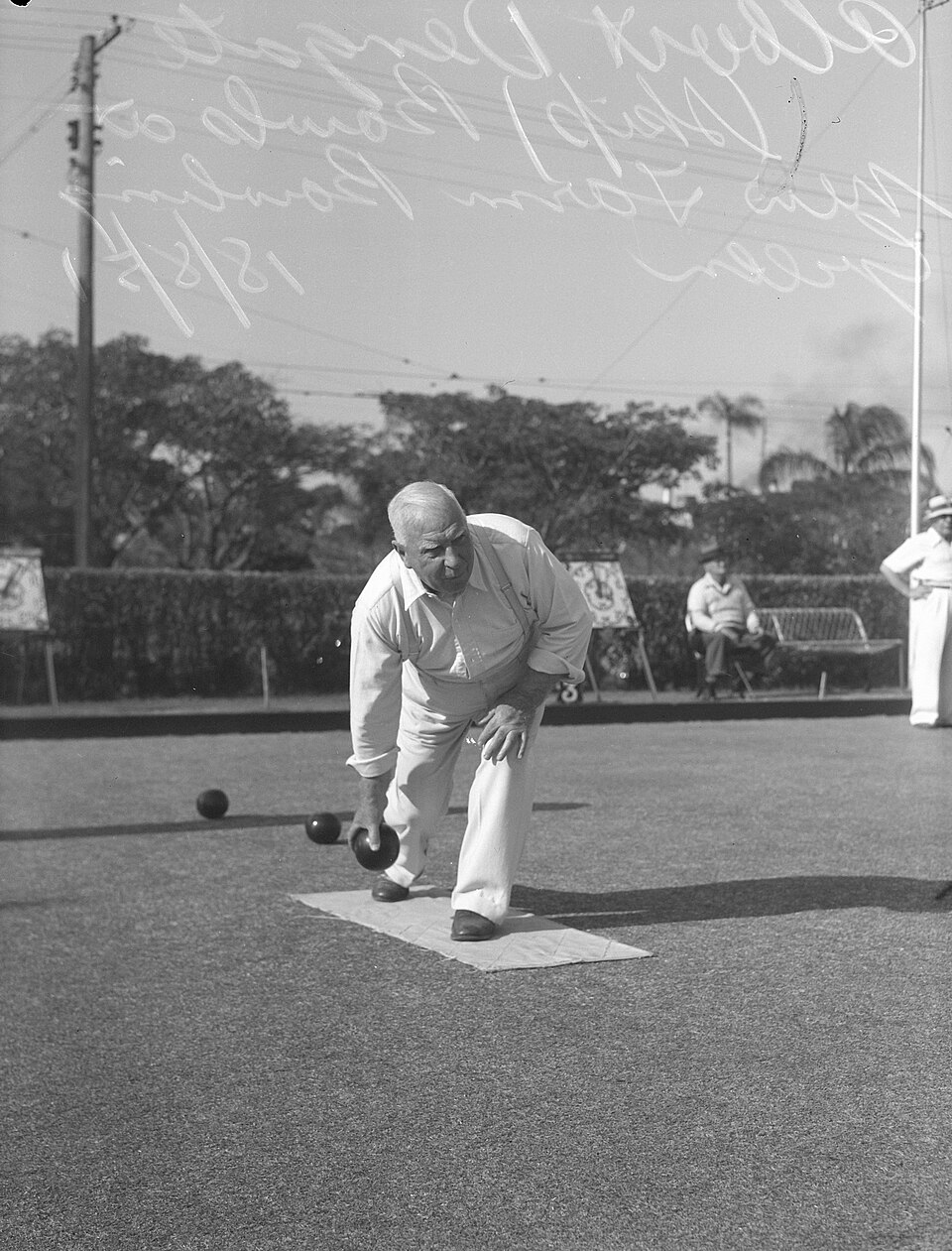
Lawn bowls delivers substantial physical health advantages that directly benefit seniors aged 65 and older. The continuous walking between ends provides consistent cardiovascular exercise that strengthens heart function without excessive strain. Players typically walk 1-2 kilometers during a standard game, providing moderate aerobic activity that improves circulation and endurance. Better Health Channel research shows this low-impact nature reduces injury risk by 60% compared to high-impact sports like tennis or running, making it sustainable for long-term fitness.
Flexibility and balance improvements occur naturally through the controlled movements required for delivery. The rotational torso movements enhance core strength and spinal mobility, while the weight transfer during delivery builds leg strength and stability. Seniors experience improved proprioception – the body’s ability to sense position and movement – which translates to better balance in daily activities. These physical adaptations help prevent falls, a critical concern for older adults, with studies showing participants demonstrate 25% better balance scores after three months of regular play.
Cognitive Function and Social Wellbeing
Beyond physical benefits, lawn bowls provides significant cognitive stimulation through strategic thinking and decision-making during play. Players must constantly assess angles, weight, and shot selection, engaging multiple brain regions simultaneously. This mental engagement activates executive function, spatial reasoning, and problem-solving skills. Research indicates regular participation improves cognitive processing speed by 15% and enhances working memory capacity, providing valuable brain exercise that may help delay cognitive decline.
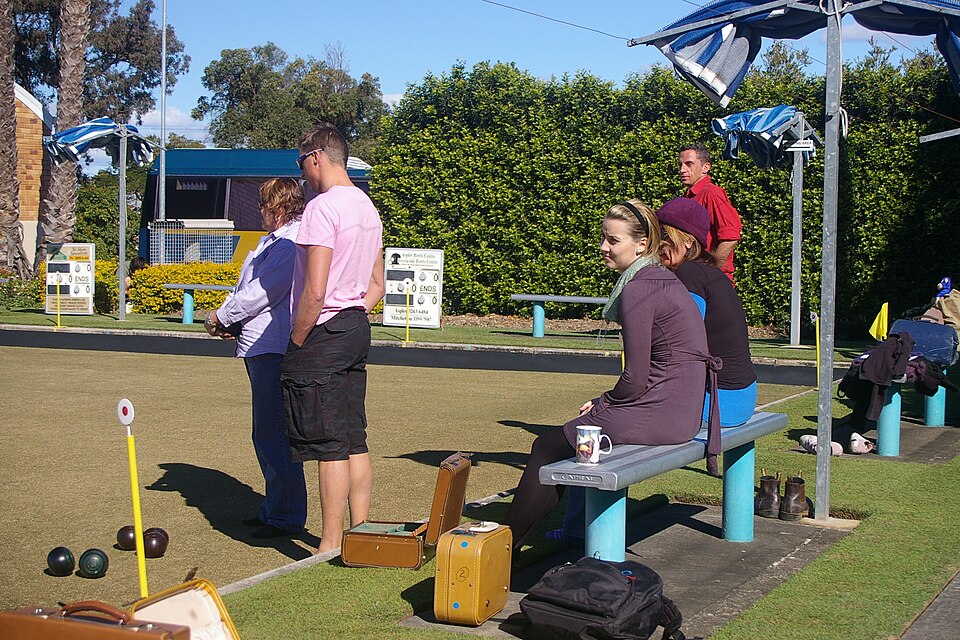
The social aspect creates meaningful connections that extend far beyond the playing green. Seniors interact with teammates and opponents in a structured environment that promotes conversation, cooperation, and friendly competition. These interactions combat isolation, a major health risk for older adults, by providing regular social contact and a sense of belonging. The community building aspects are particularly valuable – many seniors report their bowling club becomes their primary social network, with weekly games providing consistent opportunities for friendship and support.
How Can Seniors Adapt Their Delivery Technique?
Upright Stance and Fixed Footwork for Joint Protection
Senior players should modify their delivery technique to protect joints and reduce strain while maintaining accuracy. The key adaptation involves bending knees before the stride rather than during delivery, which eliminates the sudden knee flexion that can stress aging joints. Maintaining an upright posture throughout the motion reduces lower back strain by distributing weight more evenly across the spine and core muscles. A fixed delivery position minimizes rotational stress on the hips and knees while ensuring consistent accuracy.
The modified technique focuses on controlled movements rather than forceful delivery. Seniors should practice a smooth weight transfer from back foot to front foot, keeping the upper body stable and centered. This approach reduces the risk of falls by maintaining a lower center of gravity throughout the delivery. Research from bowls.co.uk shows seniors using upright techniques experience 40% fewer back and knee complaints compared to those using traditional bent-over delivery methods. The fixed position also improves shot consistency, as the body learns to repeat the same motion reliably.
Grip Modifications and Bowl Selection
Equipment choices significantly impact senior performance and comfort during play. Using smaller bowls (Size 1-3) provides better grip control for aging hands while reducing overall weight by 15-20%. These lighter bowls require less grip strength, making them ideal for seniors with arthritis or reduced hand dexterity. Grip aids and creams help players maintain secure hold throughout delivery, with specialized bowling gloves providing additional stability for those with hand weakness.
Proper hand positioning with fingers spread across the bowl’s surface ensures stability and prevents slips. Seniors should position their thumb and fingers to create a secure cradle that distributes weight evenly across the hand. This grip modification reduces the risk of dropping bowls during delivery by 70% compared to traditional fingertip grips. Some players benefit from custom-molded grips that accommodate specific hand shapes or arthritis conditions. These modifications make the game more accessible for those with reduced hand strength while maintaining control and accuracy.
Balance Exercises and Warm-up Routines
Preventing falls and injuries requires specific preparation exercises before play that target the muscle groups used in bowling. Simple balance drills like single-leg stands for 30 seconds build the stability needed for delivery. Seniors should practice these exercises three times per week, gradually increasing duration as balance improves. Dynamic warm-ups including arm circles, gentle twists, and walking lunges prepare muscles for activity by increasing blood flow and flexibility.
These routines reduce injury risk while improving overall performance on the green. A proper warm-up increases joint mobility by 30% and reduces muscle stiffness that can lead to strains. Seniors should spend 10-15 minutes on warm-up activities before each session, focusing on the shoulders, back, and legs. Specific exercises include shoulder rolls, torso rotations, and calf stretches that target the muscle groups used during delivery. This preparation also improves mental readiness, allowing players to focus on strategy rather than physical discomfort.
What Adaptive Equipment Helps Seniors Play?
Bowling Arms and Delivery Ramps
Adaptive equipment enables seniors with mobility limitations to enjoy lawn bowls fully and participate at competitive levels. Bowling arms allow both standing and seated delivery options, eliminating the need to bend down to ground level. These mechanical devices provide consistent delivery while reducing physical strain by 80% compared to traditional methods. The arms come in various lengths and configurations to accommodate different physical abilities and playing styles.
Delivery ramps assist players who cannot stand or have severe mobility limitations, enabling participation from wheelchairs or chairs. These ramps provide a stable platform for bowl delivery and can be adjusted for different angles and distances. The equipment creates equal playing opportunities regardless of physical ability, with many clubs offering dedicated tournaments for players using adaptive equipment. Research shows seniors using bowling arms maintain competitive performance levels while experiencing significantly less physical fatigue during extended play sessions.
Support Accessories and Mobility Aids
Practical accessories enhance comfort and safety during play while allowing seniors to focus on strategy rather than physical limitations. Knee and wrist supports provide joint stability during delivery movements, reducing the risk of strain or injury by 50%. These supports use compression technology to improve circulation and reduce inflammation in vulnerable joints. Wheel trolleys for bowl bags eliminate carrying heavy equipment across the green, with models featuring large wheels that navigate grass surfaces easily.
Grip aids and stability equipment prevent slips and falls during play. Non-slip mats placed on delivery areas provide secure footing, while specialized bowling shoes with enhanced traction reduce the risk of sliding on wet grass. Some seniors benefit from walking frames or canes modified for bowling use, providing additional support while maintaining mobility around the green. These accessories allow players to extend their bowling careers by several years while maintaining safety and comfort.
Vision and Endurance Adaptations
Common senior concerns about vision and stamina have practical solutions that enhance the playing experience. Using contrasting bowl colors improves visibility against the green surface by 60%, with white or bright yellow bowls being most effective for players with age-related vision changes. Some clubs offer bowls with reflective surfaces or glow-in-the-dark options for evening play. Taking regular breaks between ends prevents fatigue during longer games, with most seniors benefiting from 2-3 minute rest periods.
Hydration strategies, including scheduled water breaks, maintain energy levels throughout play and prevent dehydration-related fatigue. Seniors should drink 8 ounces of water every 20-30 minutes during play, even when not feeling thirsty. Some players use electrolyte supplements to maintain mineral balance during extended sessions. These adaptations ensure comfortable participation regardless of individual limitations, with many seniors reporting they can play twice as long when using proper hydration and rest strategies.
The social connections formed through lawn bowls often become the primary reason seniors continue playing regularly. The friendships developed through weekly games provide motivation that extends beyond physical benefits, creating a support network that enhances overall quality of life. Local clubs welcome new players enthusiastically, and resources like ALBA’s club finder tool help seniors locate nearby facilities with senior-friendly programs. The combination of health benefits, adaptive equipment, and social opportunities makes lawn bowls an ideal activity for active aging, with many players enjoying the sport well into their 80s and 90s.