
Lawn bowls etiquette is built on a simple principle: respect for your opponents, the playing surface, and the game itself. Every action on the green, from where you stand to how you handle your bowls, affects the experience for everyone involved. Understanding lawn bowls rules is essential for proper etiquette and fair play.
Key Takeaway
-
Lawn bowls etiquette emphasizes sportsmanship, respect for the green, and courtesy toward opponents
-
Players must stand at least 1 metre behind the mat when not delivering (Law 12.1.1)
-
Possession of the mat and head determines who can be at the head end during play
Essential Lawn Bowls Etiquette Rules
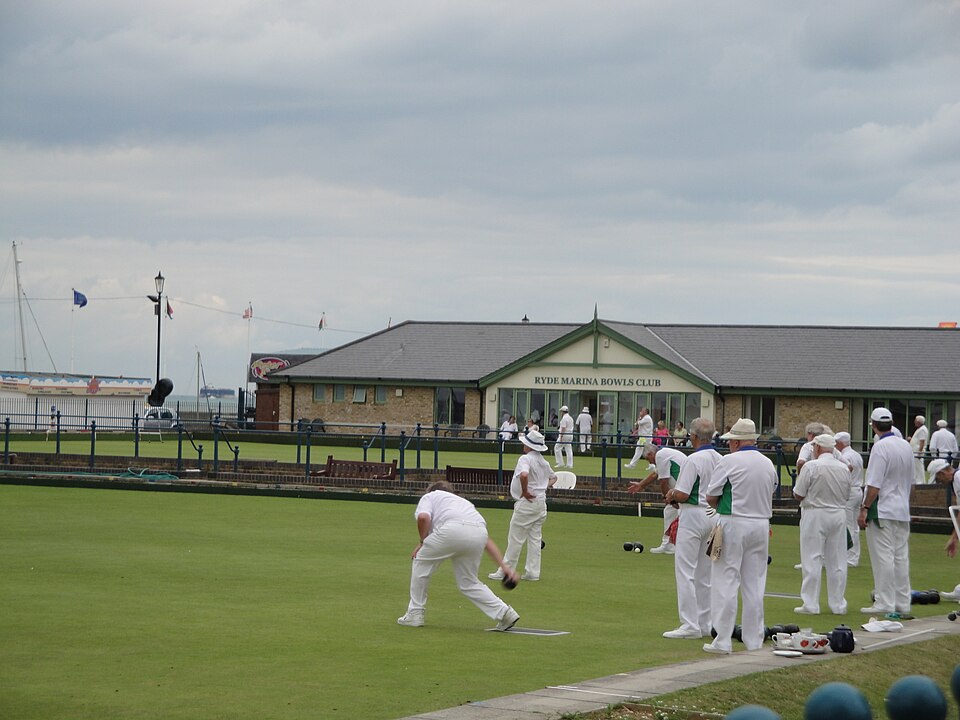
Standing Still and Keeping Quiet at the Head
The most fundamental rule of lawn bowls etiquette is maintaining silence and stillness when someone is delivering their bowl. This isn’t just good manners—it’s essential for fair play.
-
Players and spectators at the head end should stand still and keep quiet while a bowl is being delivered. Any movement or noise can distract the bowler and affect their concentration.
-
Movement, talking or gesturing at the head is very distracting and is considered gamesmanship. Even small gestures or whispered conversations can break a player’s focus.
-
Always stand still at the head when a player is about to bowl. This means freezing in position until the bowl has been released and is traveling down the green.
-
Never walk across the line of play or between a bowler and their target. This blocks their view and can cause them to lose their delivery rhythm.
These rules exist because lawn bowls is a game of precision and concentration. A slight distraction can turn a perfect shot into a miss, affecting not just the individual player but the entire team’s strategy. The silence at the head isn’t about being stuffy—it’s about giving every player the best chance to perform at their peak. Following lawn bowls tips from experienced players can help you master these etiquette fundamentals.
The 1-Meter Rule: Minimum Distance Behind the Mat
The Laws of Bowls are very specific about player positioning: “Players at the mat-end of the rink who are not delivering a bowl must stand at least 1 metre behind the mat” (Law 12.1.1). This isn’t optional—it’s a legal requirement.
This rule ensures players have clear space to deliver their bowl without interference. When you’re standing at the mat-end, you need to be far enough back that the bowler has room to step forward, take their stance, and deliver without feeling crowded or obstructed.
The 1-meter distance also serves a practical purpose: it keeps spectators and teammates out of the bowler’s peripheral vision. Even if you’re being completely silent, standing too close can create a sense of pressure or distraction that affects performance.
During team play, this rule applies to everyone except the player actually on the mat. Your teammates waiting to bowl, spectators, and even opponents must maintain this distance. It’s not just about courtesy—it’s about creating the optimal conditions for focused, fair play.
Possession of the Mat and Head: Who Controls the Green
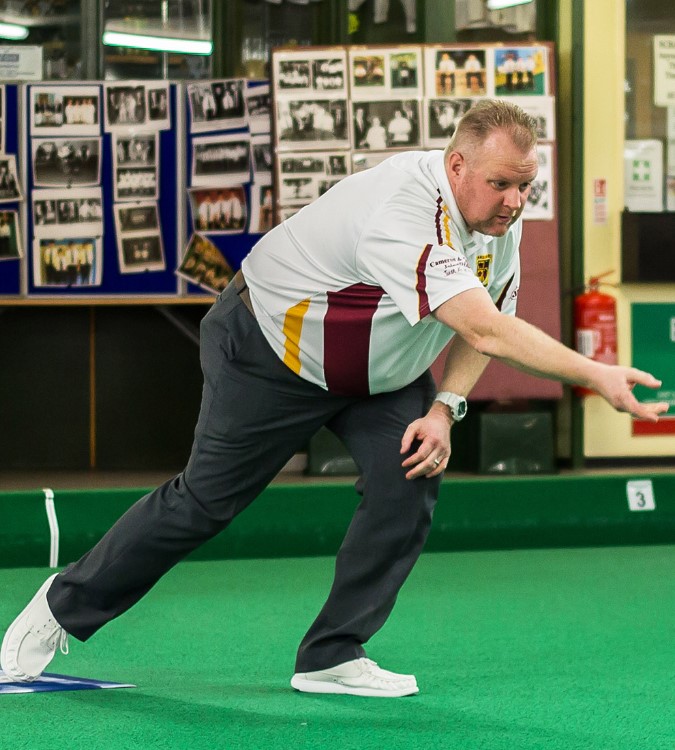
Understanding Possession Rules During Play
Possession is the cornerstone of lawn bowls etiquette. The player on the mat has possession of both the mat and the head, and this determines who can be where during play.
-
The player on the mat has possession. This means they have the right to bowl without interference, and everyone else must respect their space and concentration.
-
When it’s your team’s turn to bowl it’s your mat and head. Your opponents should be behind the mat or well behind the head, giving you clear space to deliver.
-
Only members of the team currently in control of the head should be there. If your team is holding the head (has the closest bowl to the jack), only your players should be at that end discussing strategy.
-
Do not walk into the head before the opponent’s bowl has stopped. This is both a safety issue and a matter of respect—you don’t want to be in someone’s way when they’re about to deliver.
Possession rules prevent the chaos that would occur if everyone rushed to the head end after every bowl. They create a structured flow to the game where each team has their turn to assess the situation and plan their next move without interference.
Walking on the Green and Changing Ends
How you move on the green matters as much as where you stand. The turf is delicate, and proper movement patterns protect the playing surface while maintaining game flow.
Walk in the center of your rink when changing ends, not through neighboring rinks. This prevents you from disturbing other games and keeps foot traffic away from the delicate edges of the green where wear is most noticeable.
Avoid walking on the verges or banks around the green. These areas are often sloped or uneven, and walking on them can damage the turf or create ruts that affect future play.
Be aware of your shadow. As you move around the green, especially during afternoon play, your shadow can fall across the jack or in the line of play. This isn’t just distracting—it can actually affect how players read the green and judge their shots.
Proper movement also means being ready to bowl when it’s your turn. Delays in getting to the mat or taking too long to prepare can slow down the entire game, frustrating both teams and spectators.
Respect for the Green and Game Conduct
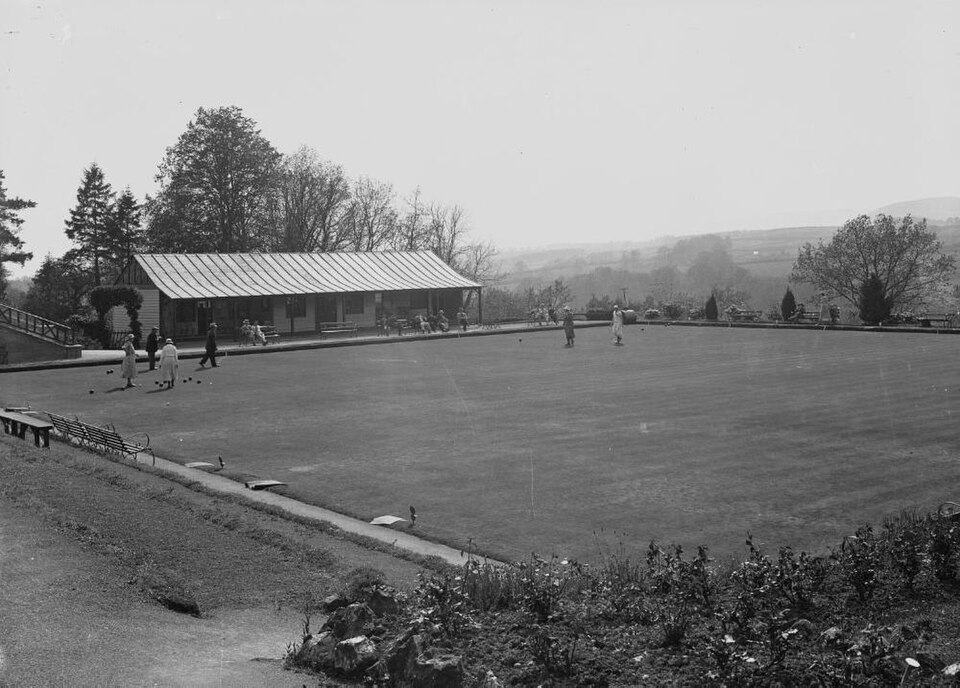
Protecting the Playing Surface
The green is the most valuable asset in lawn bowls. A well-maintained green can last for decades, but it only takes one careless moment to cause damage that affects play for weeks.
-
Never drop, toss, or bounce bowls, as this damages the turf. Dropping bowls creates divots and bare patches that can alter how bowls roll across the surface.
-
Bowls should not be dropped on the Green. Always place them gently on the turf or carry them to where they need to go.
-
Don’t drop bowls from the bank to the green. This is a common mistake when players are carrying multiple bowls. The impact can damage both the bowls and the turf.
-
Respect the surface of the green. This means no high heels, no heavy footwear, and no dragging equipment across the turf.
Damage to the green isn’t just unsightly—it affects gameplay. A damaged patch can cause bowls to deviate unexpectedly, turning a good shot into a disaster. The green is shared by everyone, so protecting it is everyone’s responsibility.
Pre-Game and Post-Game Etiquette
The social aspects of lawn bowls are as important as the technical ones. How you conduct yourself before and after the game sets the tone for the entire match.
Arrive on time, dressed appropriately, and introduce yourself to opponents. Being punctual shows respect for everyone’s time. Most clubs have dress codes, especially for competitive play, so check the requirements before arriving.
Greet your teammates and opposition players before the game with a handshake or friendly nod. This simple gesture establishes a friendly atmosphere and reminds everyone that you’re all there to enjoy the game.
Measurements only after all bowls have been played, usually handled by the third or second player. Don’t start measuring while bowls are still being delivered—this can distract players and lead to inaccurate results.
Shake hands or congratulate opponents, regardless of the result. Whether you win or lose, acknowledging your opponents’ efforts is fundamental to good sportsmanship. A simple “good game” or “well played” goes a long way.
Help tidy up equipment after the game. This includes returning jacks to their storage, collecting mats, and ensuring the green is left in good condition for the next players.
Keep electronic devices on silent. A ringing phone during someone’s delivery is not just annoying—it’s a breach of etiquette that can cost a player their concentration at a crucial moment.
Do not criticize the green or players. Even if conditions are challenging or someone makes a mistake, negative comments create a hostile atmosphere. Focus on the positive aspects of the game and learn from any difficulties.
Applaud good shots by anyone. Recognizing excellent play, regardless of which team made it, shows you’re a true sportsman who appreciates the skill involved in the game.
Be a gracious winner or loser. Celebrate your victories modestly and accept defeats with dignity. The mark of a good player isn’t just their skill with bowls—it’s how they handle both success and disappointment.
The most surprising aspect of lawn bowls etiquette is how much it mirrors the game’s strategic depth. Just as you plan several shots ahead on the green, good etiquette involves thinking several moves ahead about how your actions affect others. The quiet concentration required during play isn’t just about rules—it’s about creating the mental space for everyone to perform their best. Understanding winning lawn bowls strategy can help you appreciate why etiquette is so crucial to the game’s success.
Your first step toward mastering lawn bowls etiquette is simple: arrive at your next game with the intention to be the most considerate player on the green. Watch how others position themselves, listen for the natural quiet that develops during play, and practice giving your fellow players the space and respect they deserve. You’ll find that good etiquette doesn’t just make the game more enjoyable—it actually improves your own performance by creating the calm, focused environment every bowler needs to succeed. For those new to the sport, lawn bowls for beginners guides can provide valuable foundational knowledge.
Frequently Asked Questions About Lawn Bowls Club Etiquette
What are the 3 C's of lawn bowling?
The 3 C's of lawn bowling are Concentration, Consistency, and Confidence. These fundamentals help you focus on your next shot and improve your overall performance on the green.
What is the 30 second rule in lawn bowls?
The 30-second rule requires a player to deliver their bowl within 30 seconds of their turn. This keeps the game flowing smoothly and ensures fair play for all participants.
What is one rule of bowling etiquette?
One key rule of bowling etiquette is to wait for others on adjacent lanes to complete their turn before bowling. This maintains a smooth pace of play and gives bowlers space to focus on their delivery.