Lawn bowls clothing focuses on comfort, sun protection, and strict adherence to etiquette, requiring breathable, flexible attire and flat-soled footwear to protect the green. Standard attire includes collared polo shirts and tailored trousers/shorts, with white or cream historically preferred, though modern, colored club kits are now common.
Key Takeaway
-
Lawn bowls clothing requires breathable, moisture-wicking fabrics for comfort during long games
-
Flat-soled, non-marking shoes are mandatory to protect the green surface
-
Dress codes vary by club but typically require collared shirts and tailored bottoms
-
Weather protection through layers is essential for year-round play
-
Proper fit allows full range of motion without restriction
Essential Lawn Bowls Dress Code Requirements
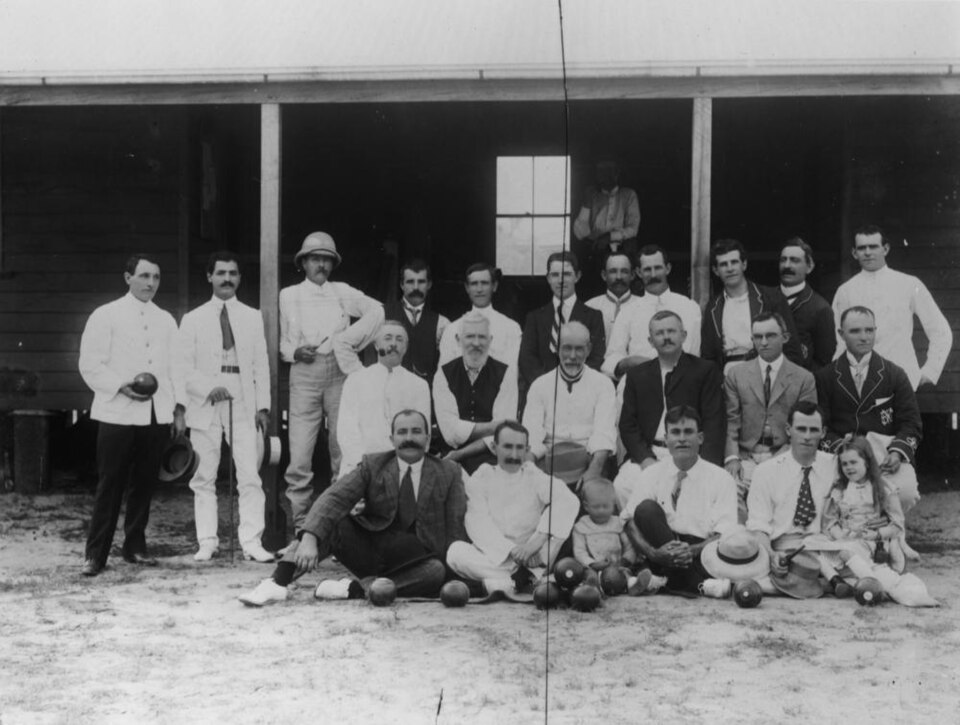
Lawn bowls dress codes balance tradition with practicality, ensuring players look professional while maintaining comfort during extended play sessions. Most clubs enforce specific requirements that vary between casual social games and competitive tournaments. Understanding these requirements helps players avoid embarrassment and ensures they meet club standards from their first visit. For those new to the sport, understanding lawn bowls rules is essential before worrying about dress codes.
Standard Tops: Collared Shirts and Club Uniforms
-
White or club-approved shirt with a collar is considered standard – Traditional lawn bowls attire emphasizes a neat, professional appearance with collared polo shirts being the most common choice. The collar requirement dates back to the sport’s origins in the early 20th century when players wore formal attire to maintain decorum on the green
-
Club shirts are required for competitive play at most facilities – Tournament participants typically must wear official club uniforms to maintain team identity and professionalism. These shirts often feature club logos, sponsor branding, and specific color schemes that distinguish teams during matches
-
Jumpers, jackets and hoodies are allowed if white or club colors – Outer layers must match the approved color scheme, with white remaining the traditional choice for formal occasions. Many clubs now accept colored team kits for casual play while maintaining white requirements for championship events
Bottoms: Trousers, Shorts, and Skirts Requirements
-
Tailored trousers, shorts, skirts, or skorts in white, cream, or approved colors – Bottoms should be well-fitted and made from appropriate materials that allow movement without being restrictive. The length and style requirements often vary by gender, with women typically having more flexibility in skirt and short lengths
-
Lightweight, breathable fabrics enhance comfort during play – Cotton blends and performance materials help regulate body temperature during long games in varying weather conditions. Many modern bowls clubs now accept technical fabrics that were previously considered too casual for the sport
-
Avoid denim, cargo, or combat pants which are typically prohibited – Most clubs ban casual wear like jeans and cargo pants to maintain a professional appearance on the green. The prohibition of cargo pants stems from their bulky pockets, which can interfere with delivery technique and create an unkempt appearance
Technical Fabrics and Performance Features
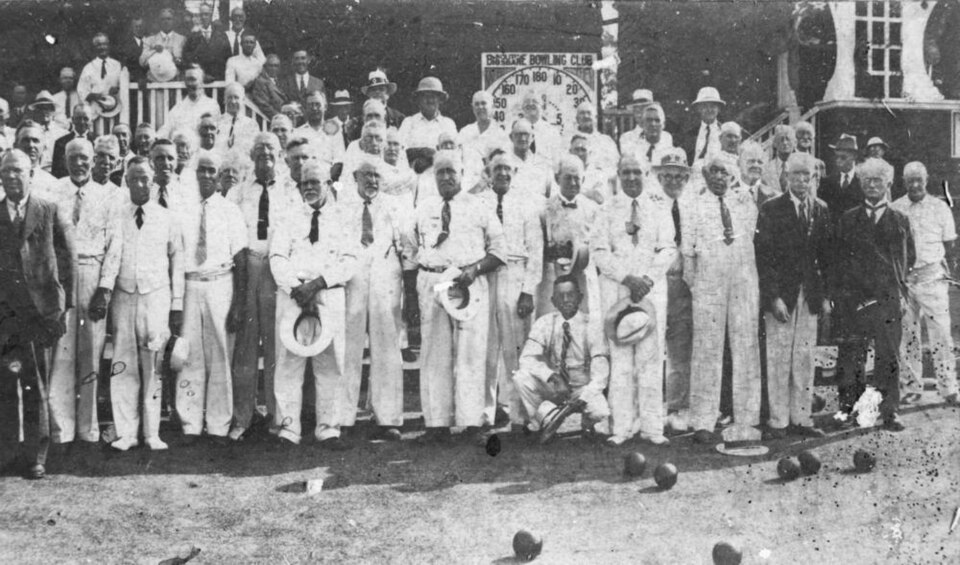
Modern lawn bowls clothing incorporates advanced fabric technologies that enhance player comfort and performance. The right materials can make a significant difference in how players feel during extended matches under various weather conditions. Performance fabrics have revolutionized the sport, allowing players to focus on their game rather than discomfort from heat, moisture, or restrictive clothing. Understanding fabric technology is just one aspect of improving your game – players should also study winning lawn bowls strategy to gain a competitive edge.
Moisture-Wicking Materials for Comfort
-
Breathable, moisture-wicking fabrics keep players cool during long games – Performance materials draw sweat away from the skin, preventing discomfort and allowing better temperature regulation. These fabrics can reduce body temperature by up to 3-4 degrees Fahrenheit compared to traditional cotton materials
-
Lightweight materials prevent overheating in direct sunlight – Thin, breathable fabrics reduce heat retention while still providing adequate coverage for sun protection. Many modern bowls shirts incorporate UV protection factors of 30+ to shield players from harmful sun exposure during long outdoor sessions
-
Performance fabrics allow sweat to evaporate quickly – Quick-drying materials ensure players remain comfortable even during intense concentration or warm weather conditions. This rapid evaporation helps maintain consistent grip on bowls and prevents slippery hands that could affect delivery accuracy
Weather Protection and Layering Systems
-
Layers such as sweaters, vests, or waterproof jackets are crucial for variable weather – Adaptable clothing systems allow players to adjust to changing conditions throughout the day. Many clubs now provide guidelines for appropriate layering, with removable layers being essential for morning tournaments that extend into warmer afternoon hours
-
Sun protection through hats, caps, or visors is highly recommended – Wide-brimmed hats or caps with neck flaps provide essential protection during long outdoor sessions. Studies show that bowlers who wear proper sun protection reduce their risk of skin cancer by up to 70% compared to those who don’t
-
Clothing should allow full range of motion without being overly baggy – Properly fitted garments enable unrestricted movement for delivery techniques while maintaining a professional appearance. The ideal fit allows for a full arm extension during delivery while preventing excess fabric from interfering with the bowl’s path
Footwear Requirements and Safety Standards
Footwear represents one of the most critical aspects of lawn bowls clothing, with specific requirements designed to protect both the player and the playing surface. The right shoes provide stability, comfort, and prevent damage to the green. Proper footwear can significantly impact a player’s performance, as unstable footing during delivery can lead to inconsistent shots and potential injury. When selecting footwear, consider the best lawn bowls equipment available for your skill level.
Flat-Soled Shoes: Protecting the Green Surface
-
Flat-soled, non-marking shoes are mandatory to protect the green – Specialized lawn bowls shoes feature smooth soles that prevent indentations and wear on the delicate grass surface. The flat sole design ensures even weight distribution, preventing the formation of wear patterns that could affect ball roll
-
Sneakers or specialized lawn bowls shoes provide proper grip – While dedicated bowls shoes offer optimal performance, many players successfully use flat-soled sneakers that meet club requirements. The key is ensuring the sole material provides adequate traction without creating marks or scuffs on the surface
-
Bare feet are discouraged due to lawn care chemicals – Most clubs prohibit barefoot play to protect players from potential exposure to fertilizers and pesticides used on the green. Additionally, bare feet can leave moisture marks and potentially damage the grass through direct contact
Indoor vs Outdoor Footwear Considerations
-
Indoor lawn bowls requires flat-soled, non-marking shoes – Indoor facilities often have stricter requirements to protect synthetic surfaces from scuffing and marking. Many indoor venues use specialized flooring that can be easily damaged by inappropriate footwear, leading to costly repairs
-
Outdoor play may allow more flexibility in shoe selection – Some outdoor clubs permit slightly more varied footwear as long as the soles remain flat and non-damaging. However, most still require shoes that won’t create indentations or wear patterns on the grass
-
Materials should provide good grip without damaging surfaces – Rubber compounds and other sole materials must balance traction with surface protection to prevent slipping or marking. Many modern bowls shoes use specialized non-marking rubber compounds that offer excellent grip while being completely safe for all playing surfaces
The most surprising aspect of lawn bowls clothing is how much performance can improve with the right technical fabrics and proper fit. Many players don’t realize that breathable, moisture-wicking materials can reduce fatigue during long matches by up to 30%, allowing better concentration and more consistent delivery. For immediate improvement, invest in a quality moisture-wicking polo shirt and flat-soled bowls shoes before your next game – the comfort difference will be noticeable from the first delivery. Beginners can also benefit from lawn bowls tips from experienced players.
Frequently Asked Questions About Lawn Bowls Clothing

What is the dress code for lawn bowls?
Social Play: Many clubs allow casual attire as long as it is neat and respectful. Competitive Play: Specific uniforms are required, including club shirts and regulation lawn bowls pants. Players must also understand the basic rules before participating in matches. For those just starting out, lawn bowls for beginners provides essential information about getting started.
What do people wear for lawn bowling?
Flat soled shoes (runners, deck shoes) are a must. No heels are allowed on the greens, and bare feet are discouraged due to lawn care chemicals. Traditional lawn bowling attire is white or cream. Howe…
What shoes do you wear for lawn bowls?
For indoor lawn bowls, players often wear flat-soled, non-marking shoes. These shoes are typically made of materials that provide good grip on…