
Lawn bowls enthusiasts often debate whether indoor or outdoor play offers the superior experience. The truth is both formats have distinct characteristics that affect gameplay, equipment needs, and strategy. Understanding these differences is crucial for choosing the right bowls and developing your skills effectively.
Key Takeaway
-
Indoor bowls use fast synthetic carpet while outdoor bowls play on slower grass surfaces
-
Indoor bowls require reduced bias for tighter rinks, outdoor bowls need standard bias for wider greens
-
Drakes Pride Professional bowls work well for both indoor and outdoor play
Indoor vs Outdoor Bowls: Surface and Playing Conditions

Surface Speed and Consistency: Carpet vs Grass
The playing surface represents the most fundamental difference between indoor and outdoor lawn bowls. Indoor facilities use fast, flat synthetic carpet that provides exceptional consistency. Every rink delivers predictable performance, allowing players to focus purely on technique without environmental variables. The carpet surface creates minimal friction, resulting in faster bowl speeds and more predictable line control.
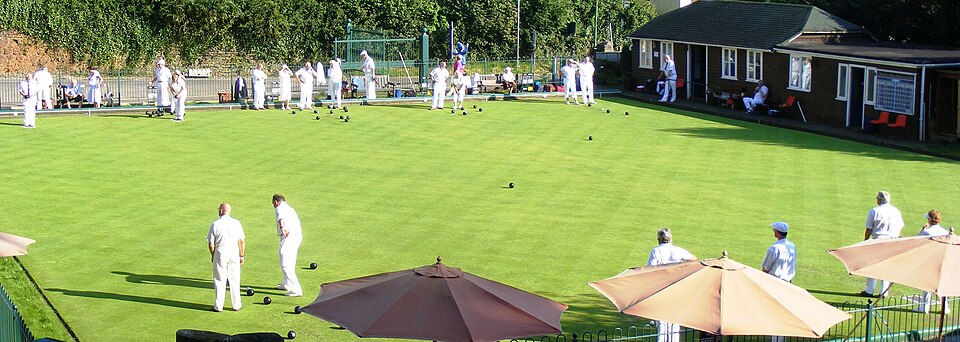
Outdoor grass surfaces present a dramatically different experience. The natural grass provides slower playing speeds and introduces significant variability. Uneven patches, subtle slopes, and grass quality variations affect bowl behavior. Players must constantly adjust their delivery weight and line based on the specific green conditions. The surface also changes throughout the day as sunlight and foot traffic affect grass moisture and firmness.
Green speed measurements reveal dramatic differences between formats. Indoor carpet typically measures 12-15 seconds on the stimpmeter scale, while outdoor grass varies from 8-14 seconds depending on conditions. This speed differential significantly impacts delivery technique and shot selection strategies.
The consistency advantage of indoor play cannot be overstated. Professional players report that indoor conditions allow them to focus entirely on execution rather than adaptation. This consistency makes indoor play ideal for developing fundamental techniques and building confidence in your delivery mechanics.
Environmental Factors Affecting Gameplay
-
Wind: Outdoor play exposes bowlers to wind that can dramatically alter bowl trajectory and speed. Indoor play eliminates this variable entirely.
-
Temperature: Outdoor temperatures affect grass firmness and bowl behavior. Indoor facilities maintain consistent temperatures year-round.
-
Humidity: Outdoor humidity influences grass moisture levels and playing speed. Indoor environments control humidity for consistent conditions.
-
Rain: Outdoor play can be suspended due to rain, while indoor facilities operate regardless of weather conditions.
-
Sunlight: Outdoor greens develop wear patterns based on sun exposure, creating subtle breaks that skilled players learn to read.
-
Temperature fluctuations: Outdoor greens can change characteristics significantly between morning and afternoon play, requiring constant adjustment.
Equipment Differences: Bowls Design and Performance
Bias Requirements: Indoor vs Outdoor Bowls
|
Format |
Bias Type |
Playing Characteristics |
Best For |
|---|---|---|---|
|
Indoor |
Reduced bias |
Tighter curves, more precise control |
Small rinks, carpet surfaces |
|
Outdoor |
Standard bias |
Wider curves, longer runs |
Grass greens, variable conditions |
|
Both |
Mid-bias |
Versatile performance |
Players who switch formats |
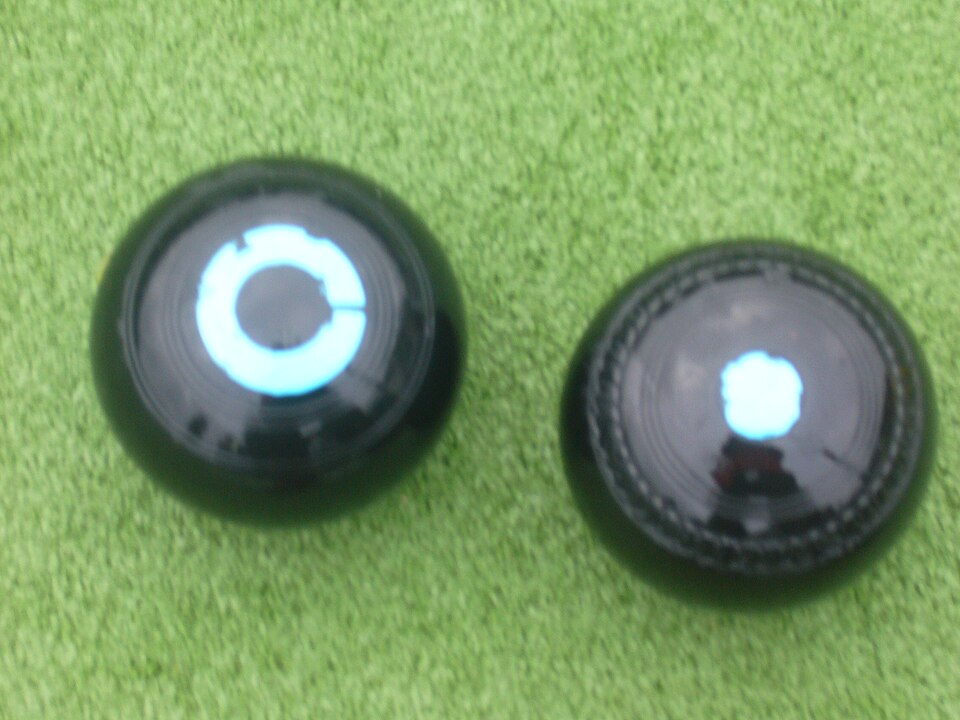
The bias of lawn bowls determines how much the bowl curves during its journey to the jack. Indoor bowls require reduced bias because the faster carpet surface and tighter rink dimensions demand more precise control. The reduced curve allows players to navigate the smaller playing area effectively.
Outdoor bowls use standard bias to accommodate the wider grass greens and variable conditions. The greater curve helps bowls navigate around obstacles and account for surface imperfections. Standard bias provides the versatility needed for outdoor play’s unpredictable nature.
Drakes Pride offers specialized options for different formats. The D-tec model features reduced bias specifically designed for indoor play on tighter rinks. The Professional range provides mid-bias performance suitable for both indoor and outdoor use, making it ideal for players who enjoy both formats.
Bowl weight selection also varies by format. Indoor players often prefer slightly lighter bowls (1.5-2.5kg) for better control on fast surfaces. Outdoor players typically choose heavier bowls (2.0-3.0kg) to maintain momentum on slower grass. The weight difference helps compensate for surface speed variations.
Material composition affects performance characteristics. Modern bowls use advanced polymers that provide consistent bias and durability. Some players prefer traditional materials for their feel, while others prioritize the reliability of modern compositions. The choice often comes down to personal preference and playing conditions.
Choosing the Right Bowls for Your Playing Style
Selecting appropriate bowls depends on your primary playing environment and skill level. Beginners often benefit from mid-bias bowls like the Drakes Pride Professional, which offers versatility across formats. These bowls feature a gradual and consistent finish that provides predictable performance as you develop your technique.
Experienced players who specialize in one format should consider format-specific bowls. Indoor specialists might prefer the D-tec’s reduced bias for tighter control on carpet surfaces. Outdoor enthusiasts benefit from standard bias bowls that handle grass green variability effectively.
Consider your physical characteristics when choosing bowl size and weight. Proper fit ensures comfortable delivery and optimal control. Most manufacturers provide sizing guides based on hand measurements and arm length. Testing different sizes before purchasing helps identify the most comfortable option.
Budget considerations also play a role in equipment selection. Quality bowls represent a significant investment, typically ranging from $200-400 per set. Beginners might start with mid-range options before upgrading as their skills develop. Many clubs offer rental equipment for new players to test different styles before purchasing.
Game Strategy and Skill Differences
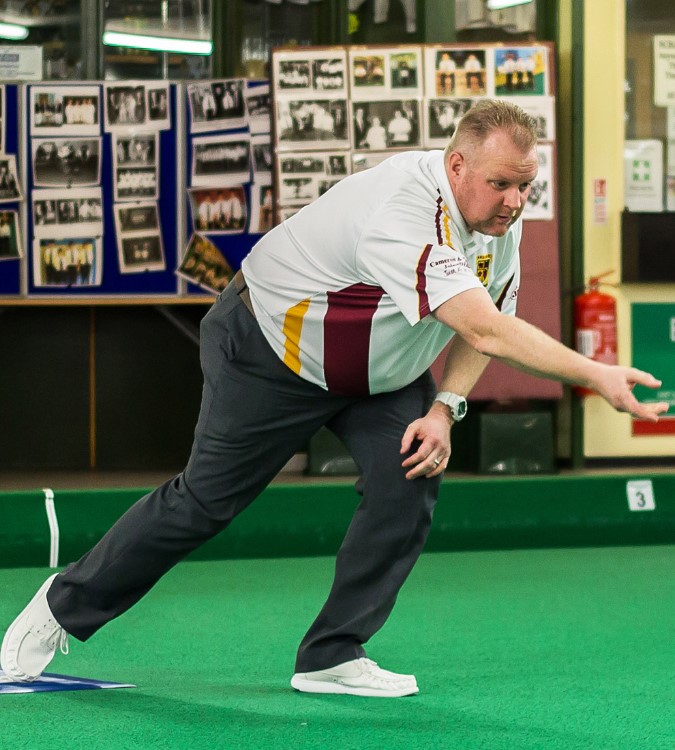
“Both formats have their challenges. However, in my opinion indoor is more skilful as you generally need to draw closer within a few inches to get the shot.” – Experienced bowler commentary
This perspective highlights a key strategic difference between formats. Indoor play demands exceptional precision due to the faster surface and tighter playing areas. Success requires consistently delivering bowls within inches of the target, as there’s less room for error on the smaller rinks.
Outdoor play emphasizes adaptability and reading green conditions. Players must account for grass speed variations, subtle slopes, and environmental factors. The wider playing areas provide more margin for error, but success depends on accurately assessing and adjusting to changing conditions throughout the game.
Both formats require strong fundamental skills, but they emphasize different aspects of the game. Indoor players develop exceptional line control and weight management for precision play. Outdoor players cultivate green reading abilities and adaptability to variable conditions.
Shot selection strategies differ significantly between formats. Indoor play favors drawing shots and controlled approaches due to the limited space and faster surface. Outdoor play allows more aggressive tactics like weighted shots to move opponents’ bowls, taking advantage of the wider playing areas and slower speeds.
Tactical Adjustments for Different Surfaces
-
Indoor tactics: Focus on precision and tight grouping. Use reduced bias bowls for tighter control. Emphasize consistent delivery weight. Develop exceptional line control for navigating tight spaces.
-
Outdoor tactics: Account for green speed and environmental factors. Use standard bias bowls for wider curves. Develop green reading skills to identify subtle breaks and slopes. Adapt to changing conditions throughout the game.
-
End management: Indoor ends typically require more careful positioning due to limited space. Outdoor ends offer more strategic options for building head position and creating tactical opportunities.
-
Mental approach: Indoor play demands intense concentration for precision. Outdoor play requires patience and adaptability to handle variable conditions.
-
Team dynamics: Indoor play often emphasizes individual precision, while outdoor play may involve more complex team strategies and positioning.
The most surprising finding is that indoor bowls, despite the controlled environment, actually demands greater precision than outdoor play. The faster surface and tighter rinks leave no room for error, making indoor play exceptionally challenging for even experienced bowlers.
Ready to improve your game? Start by identifying your primary playing environment and selecting appropriate bowls for that format. Then practice consistently on similar surfaces to develop the specific skills each format demands. Whether you choose indoor or outdoor play, understanding these differences will help you make informed equipment choices and develop effective strategies for success.
Frequently Asked Questions About Lawn Bowls Indoor Vs Outdoor
What is the best bowl for indoor and outdoor use?
The Drakes Pride Professional is the standard default range bowl, featuring a mid-bias that offers versatile performance suitable for both indoor and outdoor play, as well as Short-Mat bowls. Its gradual and consistent finish makes it a popular choice among players who switch between formats.
What are the 3 C's of bowling?
The 3 C's of bowling are Concentration, Consistency, and Confidence. Good concentration leads to consistency in your delivery, while confidence helps maintain focus and composure during play, improving overall performance in both indoor and outdoor formats.
What is the 30 second rule in lawn bowls?
The 30-second rule requires a player to deliver their bowl within 30 seconds of their turn. This rule applies to both indoor and outdoor play, ensuring the game maintains a steady pace and flow regardless of the format or surface conditions.
What is a niggler in lawn bowls?
A niggler is a player who constantly attacks the head with aggressive shots. To counter this tactic in both indoor and outdoor play, extending the length of ends can make it harder for them to execute their strategy, as longer ends often disrupt their control and precision.