
Lawn bowls bias is the deliberate asymmetry built into bowls that causes them to follow a curved path rather than a straight line. This fundamental characteristic of the game determines how your bowls travel and where they finish, making bias understanding essential for strategic gameplay and accurate shot control. Without grasping bias mechanics, players often struggle with inconsistent shots and poor positioning.
Key Takeaway
-
Bias is the deliberate asymmetry built into bowls that causes curved paths
-
Understanding bias enables strategic positioning to protect scoring bowls or disrupt opponents
-
Practising different delivery speeds reveals how curve shape changes with velocity
What Is Bias in Lawn Bowls and How Does It Work?
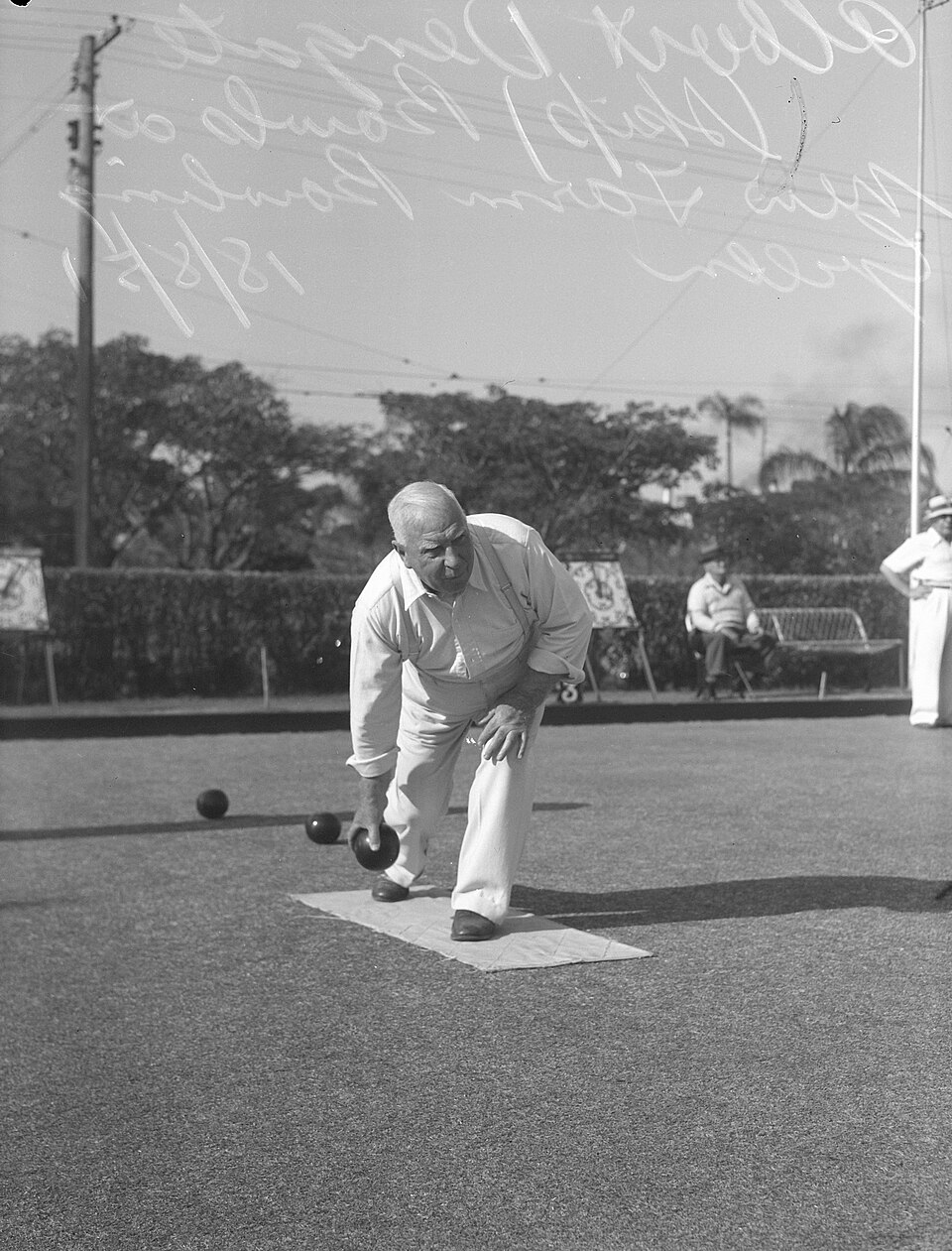
Bias in lawn bowls is the engineered asymmetry that causes bowls to travel in a curved trajectory rather than a straight line. This design feature was originally created by inserting weights into one side of the bowl, though modern bowls use advanced manufacturing techniques to achieve the same effect. The bias creates a predictable curve that players can learn to control and use strategically. Every bowl has a bias that causes it to turn as it travels across the green, with the degree of turn varying based on the bowl’s design and the speed of delivery. Understanding lawn bowls rules is essential for knowing how bias affects shot legality and scoring.
The Physics of Bowl Asymmetry Explained
Bowls are designed to travel a curved path because of a weight bias which was originally produced by inserting weights in one side of the bowl. This asymmetry causes the bowl to naturally want to turn as it travels across the green. The degree of curve depends on several factors including the bowl’s design, the weight distribution, and the speed at which it’s delivered. When you release a bowl, it doesn’t travel in a perfect arc but rather follows a path that gradually curves more as it loses momentum. Understanding this physics is crucial because it means you must aim to the side of your target to allow for the curve. The bowl’s journey can be broken down into three phases: initial straight travel, gradual curve development, and final approach to the jack. Each phase requires different considerations for successful shot execution. The physics behind bias involves the center of gravity being offset from the geometric center, creating a moment that causes the bowl to want to rotate as it travels. This rotation becomes more pronounced as the bowl slows down, which is why the curve becomes tighter near the end of the journey. Mastering these techniques requires advanced methods for 2026.
How Different Bias Strengths Affect Your Shot
Tiger TX is the narrowest bias bowl in the range. It has a good tight line to the jack and inside the TIGER 2 and is best for indoors or fast surfaces. This narrow bias means the bowl travels almost straight for most of its journey before making a subtle curve at the end. In contrast, bowls with wider bias create more dramatic curves earlier in their path. Neutral bias for inexperienced bowlers provides more predictable, straighter paths that are easier to control. The choice of bias strength affects your strategy significantly. Narrow bias bowls are excellent for direct shots and when you need to get close to the jack through a narrow path. Wide bias bowls are better for working around other bowls or when you need to navigate obstacles on the green. Understanding your bowl’s bias characteristics helps you select the right equipment for different playing conditions and develop appropriate shot strategies. Some players prefer extreme bias for indoor play where greens are faster and require more dramatic curves, while others choose moderate bias for outdoor play where wind and variable conditions demand more predictable behavior. Choosing the right equipment is covered in the Best Lawn Bowls Equipment 2026 guide.
Mastering Shot Control Through Bias Understanding
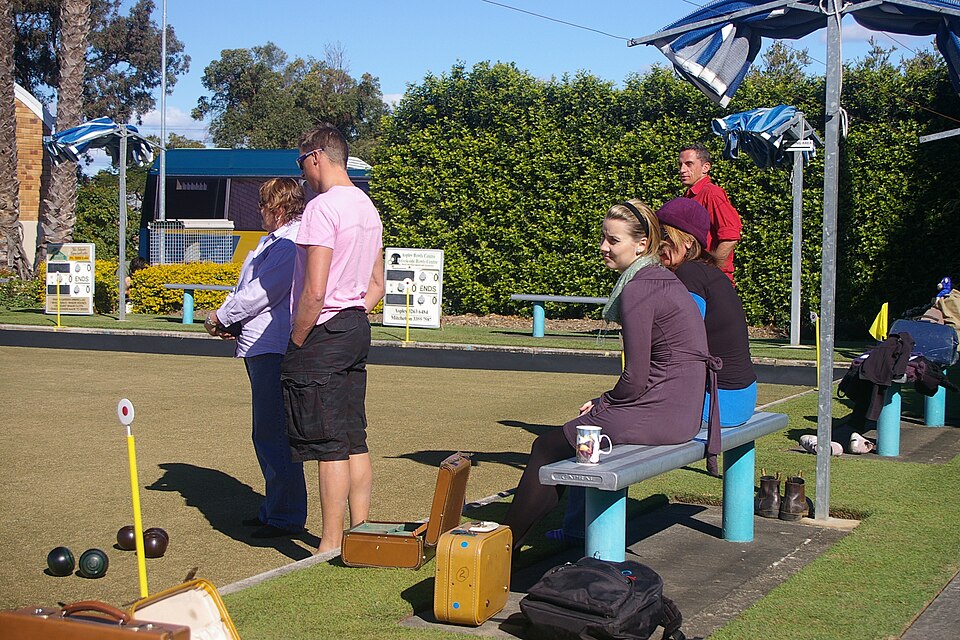
Controlling your shots through bias understanding requires both theoretical knowledge and practical experience. The best way to understand bias is by spending time on the green. Practise delivering your bowls at different speeds and watch how the curve changes. This hands-on experience builds the muscle memory and visual recognition needed for consistent performance. Understanding bias enables players to position their bowls strategically, either to protect their own scoring bowls or to disrupt their opponents’ positions. Successful players develop an intuitive feel for how their specific bowls will behave in different conditions, allowing them to make split-second decisions during games. Many players benefit from professional tips to refine their bias control techniques.
Reading the Green and Adjusting for Surface Conditions
-
Surface speed affects bias performance – faster greens produce more pronounced curves while slower greens may reduce the visible curve
-
Green conditions like moisture and wear patterns can alter how your bowl’s bias performs
-
Wind conditions may require adjustments to your aim point to compensate for drift
-
Temperature affects bowl material behavior, potentially changing how the bias manifests
-
Practice on different greens to understand how bias varies across surfaces
-
Afternoon vs morning play can show different bias characteristics due to changing conditions
-
Indoor vs outdoor greens require completely different bias approaches
-
Seasonal changes affect green speed and bias performance throughout the year
Forehand vs Backhand Delivery Techniques
Forehand and backhand deliveries use the same bowl bias but require different aiming points and delivery techniques. The forehand delivery curves from right to left for right-handed players, while the backhand curves from left to right. Each side has strategic advantages depending on the green layout and existing bowls on the rink. Forehand shots are often preferred when you need to work around bowls on your right side, while backhand shots excel at navigating obstacles on your left. The choice between forehand and backhand also affects your body positioning and release technique. Many players develop stronger skills on one side, but mastering both provides greater tactical flexibility during games. Understanding when to switch between forehand and backhand based on the head position and desired outcome is a hallmark of advanced play. Professional players can deliver both sides with equal proficiency, allowing them to adapt to any situation on the green. These tactical decisions are essential for winning lawn bowls strategy.
Practical Drills to Improve Your Bias Control
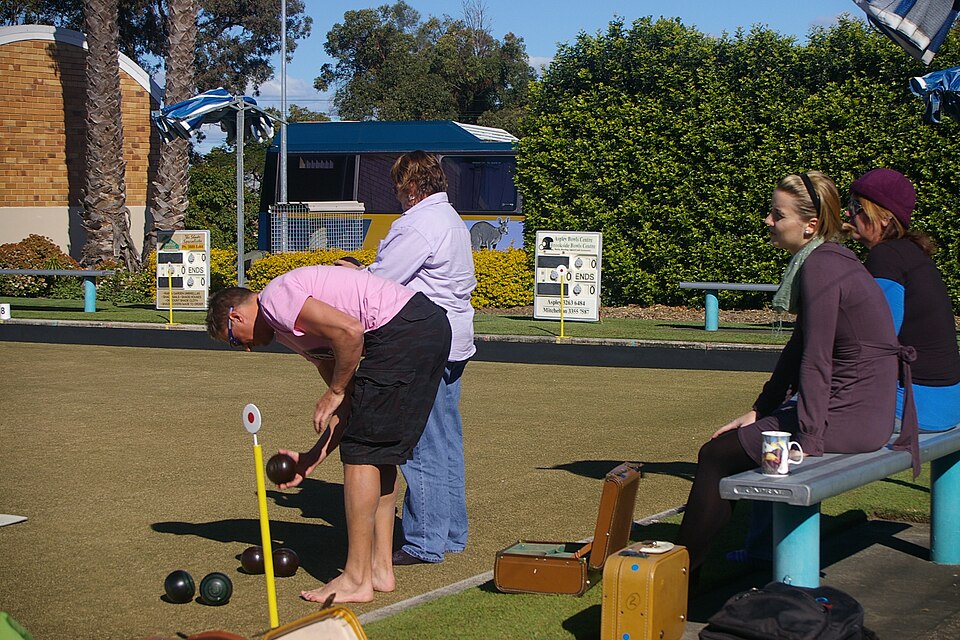
Developing bias control requires structured practice that builds both technical skill and strategic understanding. The best way to understand bias is by spending time on the green. Practise delivering your bowls at different speeds and watch how the curve changes. Understanding bias enables players to position their bowls strategically, either to protect their own scoring bowls or to disrupt their opponents. Consistent practice with specific drills helps build the confidence needed to execute shots under pressure during competitive play.
Speed Variation Drills for Curve Mastery
-
Progressive speed drill: Start with slow deliveries and gradually increase speed, noting how the curve shape changes at each velocity
-
Target zone drill: Place markers at different distances and practice delivering to each zone with consistent curve shape
-
Curve comparison drill: Deliver identical shots at three different speeds to observe how bias affects each trajectory
-
Wind adjustment drill: Practice on windy days to learn how external factors modify your bowl’s natural bias curve
-
Surface adaptation drill: Practice on both fast and slow greens to understand bias performance variations
-
Distance control drill: Practice delivering to specific distances while maintaining consistent curve shape
-
Angle variation drill: Practice delivering from different angles to understand how approach direction affects curve
-
Weight control drill: Practice delivering with different weights to see how momentum affects bias performance
Target Practice for Strategic Shot Placement
|
Drill Level |
Target Setup |
Objective |
Success Criteria |
|---|---|---|---|
|
Beginner |
Single jack at 23m |
Consistent curve to jack |
70% within 1m of target |
|
Intermediate |
Jack with blocker bowls |
Navigate around obstacles |
60% successful navigation |
|
Advanced |
Multiple target zones |
Strategic positioning |
50% in scoring position |
|
Expert |
Complex head scenarios |
Shot selection mastery |
40% optimal positioning |
The most surprising finding is that bias strength varies significantly between bowl models, with Tiger TX offering the tightest curve for indoor play. Start by testing your current bowls on different surfaces to understand their unique bias characteristics before investing in specialized models. Understanding how your specific bowls behave in various conditions will dramatically improve your shot accuracy and strategic decision-making during games. Many players discover that their current bowls perform better in certain conditions than they realized, leading to improved performance without additional equipment costs.
Frequently Asked Questions About Lawn Bowls Bias Understanding
What are the success criteria for beginner bias control drills in lawn bowls?
70% of bowls must land within 1 meter of the target jack at 23 meters distance, demonstrating consistent curve control. These beginner drills form the foundation of lawn bowls for beginners before advancing to more complex techniques.
How do intermediate players practice navigating around blocker bowls?
Intermediate drills use a jack with blocker bowls, requiring players to navigate around obstacles with a 60% success rate for effective bias control.
What is the objective of advanced bias control drills in lawn bowls?
Advanced drills focus on strategic positioning across multiple target zones, with success measured by achieving 50% of bowls in scoring position.