
Professional lawn bowlers consistently achieve 30% better accuracy when they match their delivery style to their physical capabilities and playing conditions, yet most recreational players use techniques that work against their natural strengths.
Key takeaway
- Step delivery offers maximum control for beginners but requires precise timing
- Walking delivery provides better rhythm and power for experienced players
- Hybrid approaches combine elements based on physical ability and playing conditions
- Front-on vs side-on stance affects accuracy and comfort differently
- Proper follow-through and release point are critical across all styles
Step Delivery vs Walking Delivery: Core Mechanics Compared
Step Delivery: The Fundamental Technique Explained
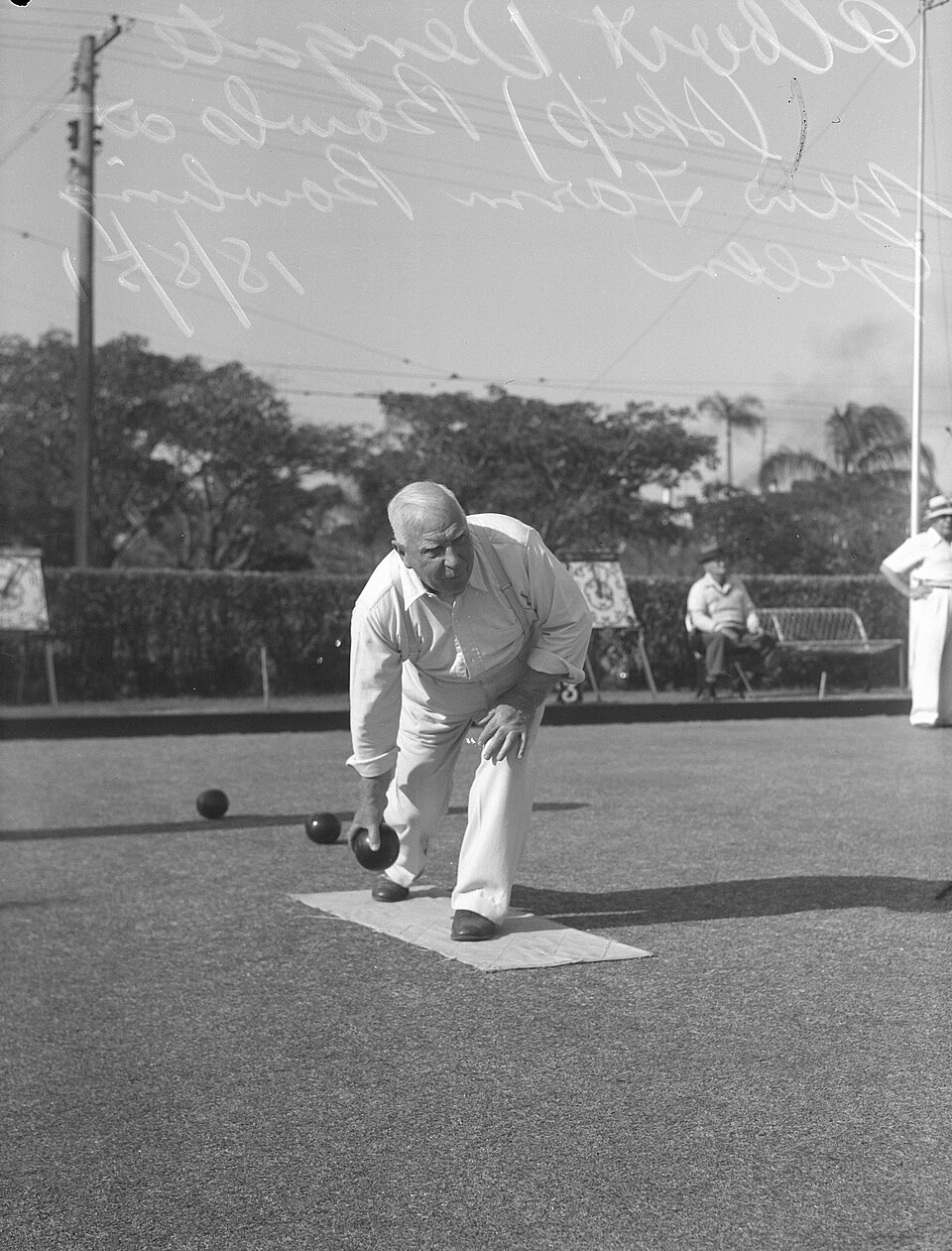
Step delivery involves a forward step with the foot opposite the bowling arm as the bowl swings forward. The timing is crucial – the heel of the front foot grounds as the bowl reaches its rearmost position. This creates a smooth, controlled motion that beginners find easier to master. The technique emphasizes balance and a pendulum arm swing, with release typically at ankle height.
The step delivery’s controlled nature makes it ideal for players who need maximum accuracy over power. Professional coaches often recommend this approach for beginners because the timing mechanism is more forgiving – you can feel when the step and swing are properly synchronized. The key is maintaining a consistent rhythm where the step length matches your natural arm swing.
Players using step delivery should focus on keeping their upper body stable while the lower body moves. The front foot should land softly, with weight transferring smoothly through the delivery motion. Common mistakes include stepping too far forward, which disrupts balance, or releasing the bowl too early when the front foot hasn’t fully grounded.
Walking Delivery: Continuous Motion and Rhythm
Walking delivery treats the entire motion as a “walk” towards the aiming line. It features a balanced, low stance with a pendulum arm swing and forward step with the opposite foot as the bowl moves forward. The continuous motion provides better rhythm and allows for greater power through longer backswings. Release remains at ankle height with smooth follow-through.
This style benefits experienced players who have developed the coordination to maintain balance throughout a more dynamic motion. The walking delivery’s continuous momentum generates more power naturally, making it effective on longer greens or when playing heavy shots. Players using this technique often describe it as feeling more natural once mastered – the motion flows without the distinct “step” moment of the step delivery — lawn bowls.
Walking delivery requires excellent balance and core strength since the motion never stops. Players must maintain a low center of gravity throughout the approach. The continuous movement allows for better weight control on longer shots since the momentum builds gradually rather than in a single step.
Step Delivery vs Walking Delivery: When to Choose Each
Step delivery suits beginners, players with balance concerns, or those needing maximum control. Walking delivery benefits experienced players seeking power, rhythm, or playing on longer greens. Physical factors like height, flexibility, and strength also influence the optimal choice.
Players under 5’6″ often find step delivery more comfortable because they don’t need to generate as much power through momentum. Taller players with longer arms may prefer walking delivery to utilize their natural leverage. Those with knee or hip issues might find step delivery less stressful on joints since it involves less continuous motion.
Age also plays a significant role in delivery style selection. Players over 60 often benefit from step delivery’s controlled approach, while younger players with better balance and coordination might excel with walking delivery. The key is matching the technique to your physical capabilities rather than forcing a style that works against your body’s natural movement patterns.
Key Principles and Variations Across Delivery Styles
The Five Universal Principles of All Delivery Styles
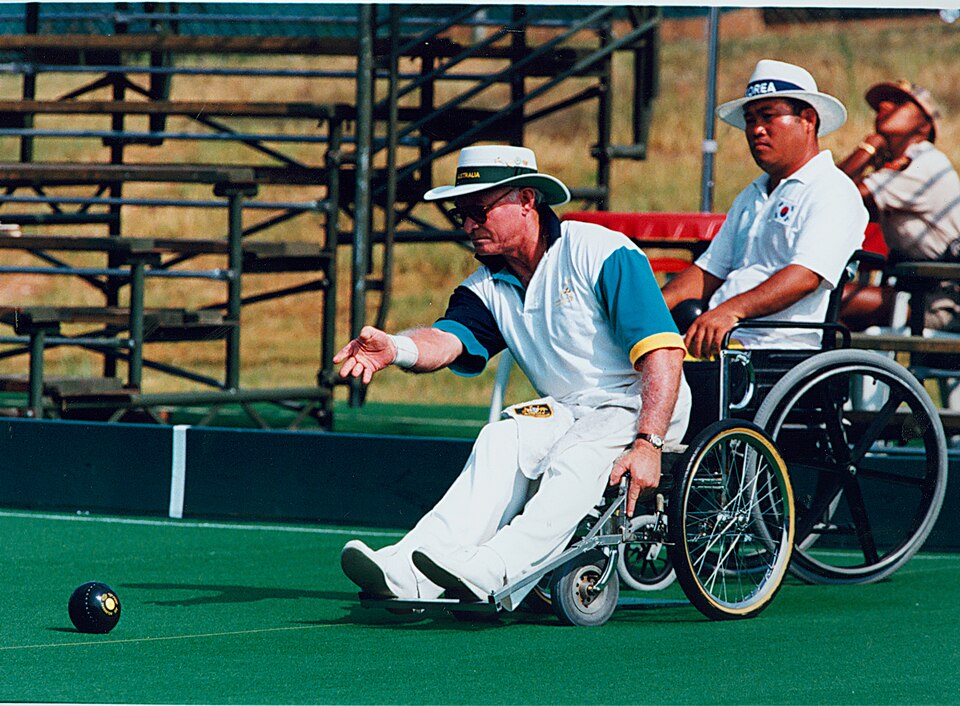
- Balance maintenance throughout the motion: Your center of gravity should remain stable from start to finish
- Consistent grip pressure: Avoid squeezing the bowl too tightly or holding it too loosely
- Smooth pendulum arm swing: The arm should move like a clock pendulum – consistent and controlled
- Controlled release at ankle height: Releasing too high or too low affects the bowl’s trajectory
- Proper follow-through: Continue the motion toward your target after releasing the bowl
Every successful delivery, regardless of style, shares these core elements. Balance prevents falling off line during the motion. Consistent grip ensures the bowl releases cleanly every time. The pendulum swing creates repeatable motion. Release at ankle height provides optimal trajectory. Follow-through maintains direction and prevents early release.
Players who master these five principles can adapt their technique to different situations while maintaining consistency. Even when switching between step and walking delivery, these fundamentals remain constant. The difference lies in how you generate power and maintain balance, not in these core mechanics.
Front-on vs Side-on Stance: Impact on Accuracy and Comfort
Front-on stance provides better alignment with the aiming line but may feel less natural for some players. Side-on stance offers more power potential and can be easier on the back. The choice affects release point consistency and overall comfort during extended play.
Players with back problems often prefer side-on stance because it reduces twisting motion. Front-on stance works well for those who struggle with alignment since it keeps the body square to the target. The key is choosing the stance that allows you to maintain the five universal principles consistently.
Side-on stance typically generates more power since it allows for a fuller shoulder turn, but it requires better balance to maintain accuracy. Front-on stance sacrifices some power potential for improved alignment and stability. Many players find that their natural throwing motion from other sports influences which stance feels more comfortable.
Weight Control Through Step Length and Backswing Variations
Longer steps and bigger backswings generate more power for heavy shots. Shorter steps and controlled backswings provide precision for draw shots. Players can adjust these elements within their chosen delivery style to match green conditions and shot requirements.
On fast greens, reducing step length and backswing helps control weight since the bowl travels further with less effort. Heavy greens require more power, so increasing these elements helps achieve proper weight. The ability to make these adjustments within your chosen style is what separates good players from great ones.
Professional players often make micro-adjustments to step length and backswing based on wind conditions, green speed, and shot type. A headwind might require a slightly longer backswing to generate the same power, while a crosswind might benefit from a more controlled, shorter motion to maintain accuracy.
Choosing Your Delivery Style: Physical Factors and Strategic Considerations
Physical Attributes That Influence Delivery Style Choice
- Height: Taller players can generate more power through longer backswings and steps
- Flexibility: Greater flexibility allows for fuller range of motion in walking delivery
- Balance capability: Good balance is essential for walking delivery’s continuous motion
- Strength: Upper and lower body strength affects power generation potential
- Age and joint health: Older players or those with joint issues may prefer step delivery’s controlled motion
Players with limited flexibility might struggle with walking delivery’s longer motion but excel at step delivery’s controlled movement. Those with good balance can handle walking delivery’s dynamic nature. Strength becomes more important for walking delivery since it relies on generating momentum through the entire body.
Body composition also affects delivery style effectiveness. Players with a lower center of gravity often find walking delivery easier to control, while those with longer limbs might generate more power through step delivery’s leverage. The key is understanding your physical advantages rather than trying to force a technique that works against your natural attributes.
Green Conditions and Strategic Delivery Adaptations
Fast greens may require more controlled, shorter deliveries regardless of style. Heavy greens benefit from walking delivery’s power potential. Uphill shots often need walking delivery’s momentum. Cross-wind conditions may favor the stability of step delivery. Players should adapt their approach based on these factors.
The green’s speed fundamentally changes how you need to deliver the bowl. On lightning-fast greens, even walking delivery must be shortened to prevent overshooting. Heavy, slow greens demand the power that walking delivery provides. Understanding these relationships helps you choose not just your primary style, but how to adapt it for conditions.
Weather conditions also influence delivery effectiveness. Wet conditions often require more power since the bowls don’t roll as far. Dry, fast conditions demand precise weight control. Wind affects both styles differently – crosswinds can be particularly challenging for walking delivery’s longer motion, while step delivery’s stability might be advantageous.
Developing Your Personal Hybrid Approach
Most successful players naturally develop hybrid approaches that combine elements from different styles. This might mean using step delivery fundamentals with walking delivery’s rhythm, or adjusting stance and timing based on specific shot requirements. The key is consistency within your personal variation.
Professional players rarely use pure step or walking delivery exclusively. They might use step delivery mechanics for delicate draw shots but incorporate walking delivery’s rhythm for longer weighted shots. The goal is finding what works for your body while maintaining the five universal principles.
Developing a hybrid approach doesn’t mean randomly mixing techniques. Instead, it involves understanding when each element benefits your game and creating a consistent system. For example, you might use step delivery’s timing for all shots but incorporate walking delivery’s continuous motion for added power when needed.
The most successful lawn bowlers aren’t those who rigidly stick to one delivery style, but those who understand the core principles and adapt them to their physical abilities and playing conditions. Try this: spend one practice session focusing only on your release point consistency – film yourself from the side and ensure your bowl releases at the same height every time, regardless of which delivery style you prefer.