Lawn bowls combines physical skill with mental strategy in a uniquely accessible package. The sport’s emphasis on precision over power means players of all ages and abilities can compete on relatively equal terms. What makes bowls particularly fascinating is how a slight adjustment in delivery can dramatically change a bowl’s path due to the bias – creating endless opportunities for skill development.
Getting started with lawn bowls: What beginners need to know
- Focus on mastering delivery stance, grip, and draw shot technique first
- Use club-supplied equipment and flat-soled shoes to protect the green
- Start with social games to learn etiquette and basic rules
What is lawn bowls and how do you play it?
The basic objective: rolling biased bowls toward the jack
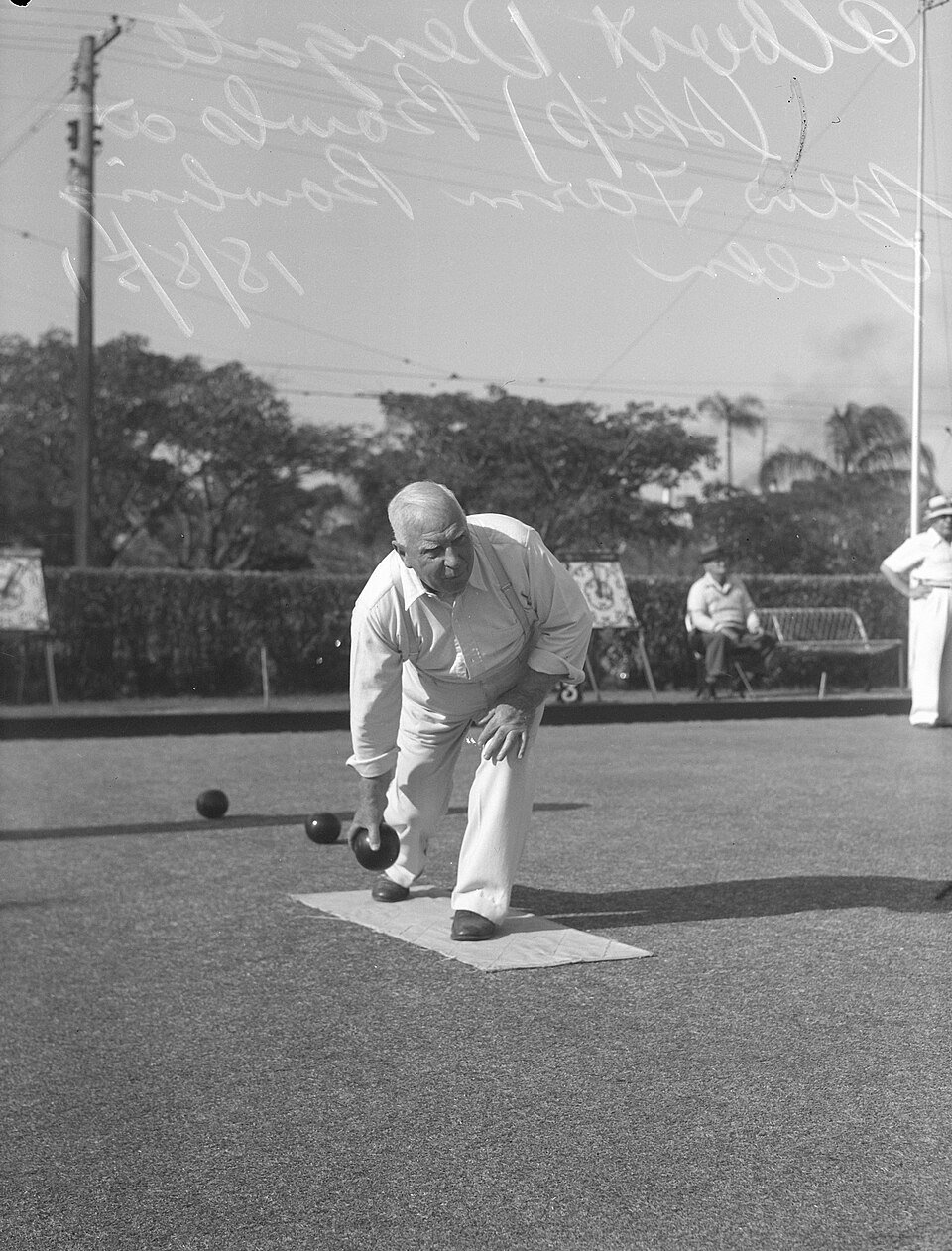
Lawn bowls involves rolling biased balls (called bowls) closest to a smaller target ball (the jack). The bowls are shaped with a weight bias, causing them to follow a curved path when rolled. Players compete either individually or in teams, with the goal of getting more bowls closer to the jack than their opponents. The game is played on a bowling green, typically grass, though indoor venues and rollable carpets are also used.
The curved trajectory of biased bowls creates the sport’s unique challenge. Unlike straight-rolling balls in other games, bowls must be aimed to the side of the target to account for the built-in bias. This requires players to develop an intuitive understanding of how different bowls behave on various surfaces and in different conditions.
Why lawn bowls suits all ages and skill levels
The sport’s accessibility makes it perfect for beginners of any age. Unlike high-impact sports, lawn bowls requires minimal physical fitness while offering strategic depth that keeps players engaged. The social nature of the game encourages interaction between players, making it as much about community as competition. Many clubs offer “come and try” sessions where newcomers can learn the basics without any equipment investment.
According to Bowls England, the sport attracts participants from age 8 to 98, with adaptive equipment available for players with mobility challenges. The low-impact nature means older adults can continue playing competitively well into their senior years, while younger players appreciate the strategic elements that develop critical thinking skills.
The strategic elements that make bowls fascinating
Beyond the physical skill of rolling bowls, the game involves significant mental strategy. Players must consider factors like green speed, wind conditions, and opponent positioning when selecting shots. The curved path of biased bowls means players often need to aim away from their target to achieve the desired result. This combination of physical skill and tactical thinking creates a uniquely challenging experience that rewards both practice and strategic thinking. Understanding Winning Lawn Bowls Strategy: Tactical Approaches for 2026 can help players develop winning game plans.
Advanced players develop shot repertoires including draws, drives, and weighted shots, each serving different tactical purposes. The ability to read the green and anticipate how bowls will interact with each other adds layers of complexity that keep the game engaging for decades. For players looking to elevate their game, Mastering Lawn Bowls Techniques: Advanced Methods for 2026 offers detailed guidance on refining delivery mechanics and shot selection.
Essential equipment and what you need to get started
Club-supplied equipment: What’s provided for beginners
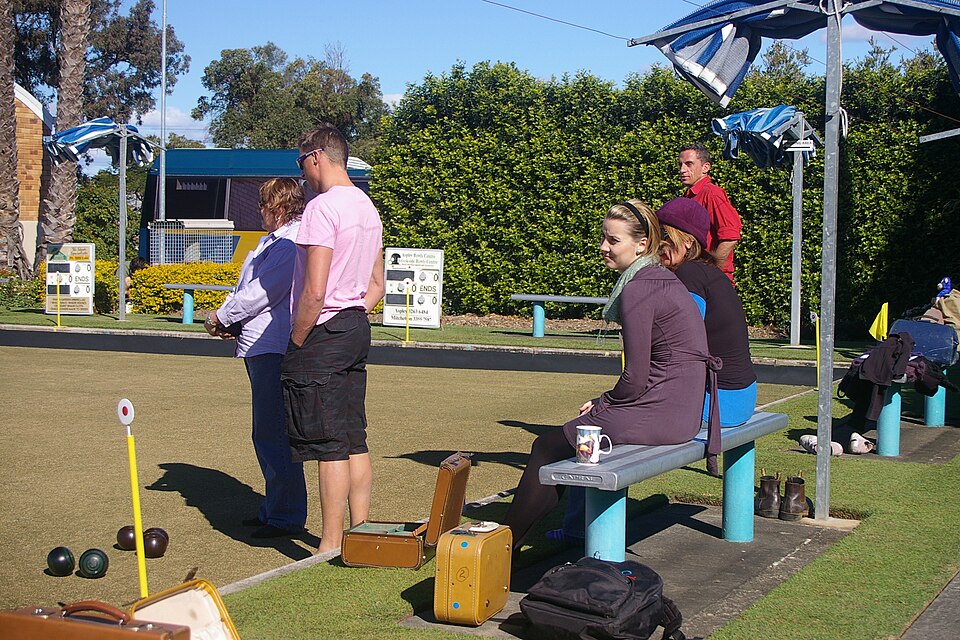
Most lawn bowls clubs provide all necessary equipment for beginners:
- Bowls in various sizes and biases for players to try
- Mats for delivering bowls from a consistent position
- Jacks (target balls) for each game
- Scoreboards and measuring equipment
- Basic clothing like shirts or jackets for club competitions
This equipment provision means you can start playing without any upfront investment, allowing you to discover your preferences before purchasing personal gear. Clubs typically have bowls ranging from size 00 to size 7, accommodating different hand sizes and playing styles.
Flat-soled shoes: Protecting the green and your game
Flat-soled shoes are mandatory in lawn bowls to protect the playing surface. The requirement exists because raised treads or heels can damage the delicate grass surface of bowling greens. Acceptable footwear includes:
- Special bowling shoes with flat, smooth soles
- Flat-soled sneakers or trainers
- Some clubs allow smooth-soled street shoes
Personal equipment: When and what to buy
Once you’ve decided to continue with lawn bowls, consider investing in personal equipment:
- Your own set of bowls (typically 4 bowls per player)
- Bowling shoes designed for the sport
- Comfortable, weather-appropriate clothing
- Measuring tape for close-distance calls
- Small towel for hand drying and bowl cleaning
Most beginners start with second-hand bowls or club loaners before purchasing their own set, allowing time to determine the right size and bias for their playing style. When you’re ready to buy, consult Best Lawn Bowls Equipment 2026: Complete Buyer’s Guide for recommendations on quality gear.
Basic techniques and rules for beginners
Mastering the delivery stance: Foundation of good bowling
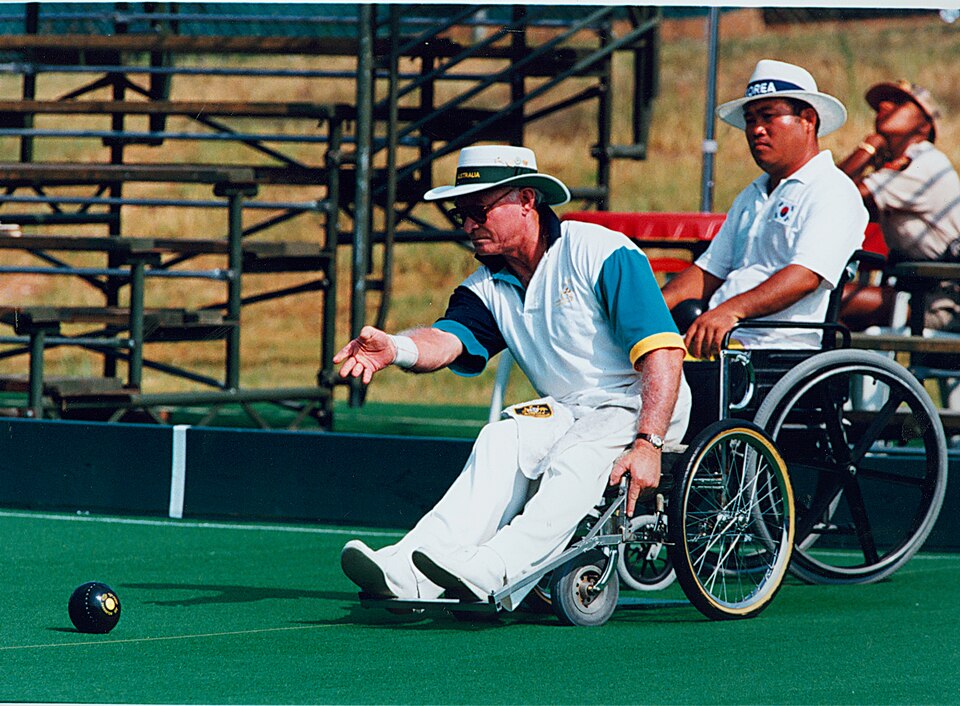
The delivery stance forms the foundation of consistent bowling. Stand with feet shoulder-width apart, knees slightly bent, and body weight balanced. Hold the bowl in your dominant hand with a relaxed grip, arm extended downward. As you deliver, step forward with your opposite foot while keeping your eyes focused on your target. The smooth, controlled motion should feel natural rather than forced.
Practice your stance without rolling bowls first. Focus on maintaining balance throughout the delivery motion. A stable base prevents unwanted movement that could affect your bowl’s path. Many beginners benefit from having someone observe their stance to identify balance issues or awkward movements.
The grip and draw shot: Achieving distance control
The grip involves holding the bowl with your fingers spread across the curved surface, thumb providing support underneath. For the draw shot – the most common beginner technique – focus on rolling the bowl to stop near the jack without disturbing other bowls. Control distance by adjusting the strength of your delivery while maintaining consistent form. Practice different weights to understand how far your bowls travel with various delivery strengths.
The draw shot requires finesse rather than force. Start with shorter distances and gradually increase as you develop control. Pay attention to how different bowls respond – some have stronger biases that create wider curves, while others roll more straight. Understanding your equipment’s characteristics helps you select the right shot for each situation.
Understanding the 30-second rule and basic etiquette
Players must deliver their bowl within 30 seconds of their turn starting, beginning when the previous bowl comes to rest and the player is positioned on the mat. This timing rule keeps games moving at a reasonable pace. Basic etiquette includes:
- Waiting your turn quietly
- Not distracting players when they’re about to deliver
- Congratulating good shots from all players
- Accepting umpire decisions gracefully
Social games often have more relaxed timing, while competitive matches strictly enforce the 30-second rule. Understanding and following these guidelines helps create a positive atmosphere for all players and ensures games proceed smoothly.
Ready to start your lawn bowls journey? Visit Bowls England’s website to find your nearest club and book a free “come and try” session. Most clubs welcome beginners year-round and provide all necessary equipment for your first games. For additional guidance, review Top 15 Lawn Bowls Tips from Professional Players in 2026 before your first session.
Frequently Asked Questions About Lawn Bowls For Beginners
What is the 30 second rule in lawn bowls?
The 30-second rule means a player must deliver their bowl within 30 seconds of their turn. This keeps the game moving at a steady pace and ensures fair play for all participants. For more detailed information about timing and other regulations, consult Understanding Lawn Bowls Rules: A Complete Guide for 2026.
Which lawn bowls do professionals use?
Professional players often use Drakes Pride Professional bowls, known for their mid-bias design and consistent finish. These bowls are popular among top-ranked players for their reliable performance.
What is a niggler in bowls?
A niggler is a player who constantly attacks the head of the rink. To counter this, play longer ends to make it harder for them to disrupt your strategy.